← Back
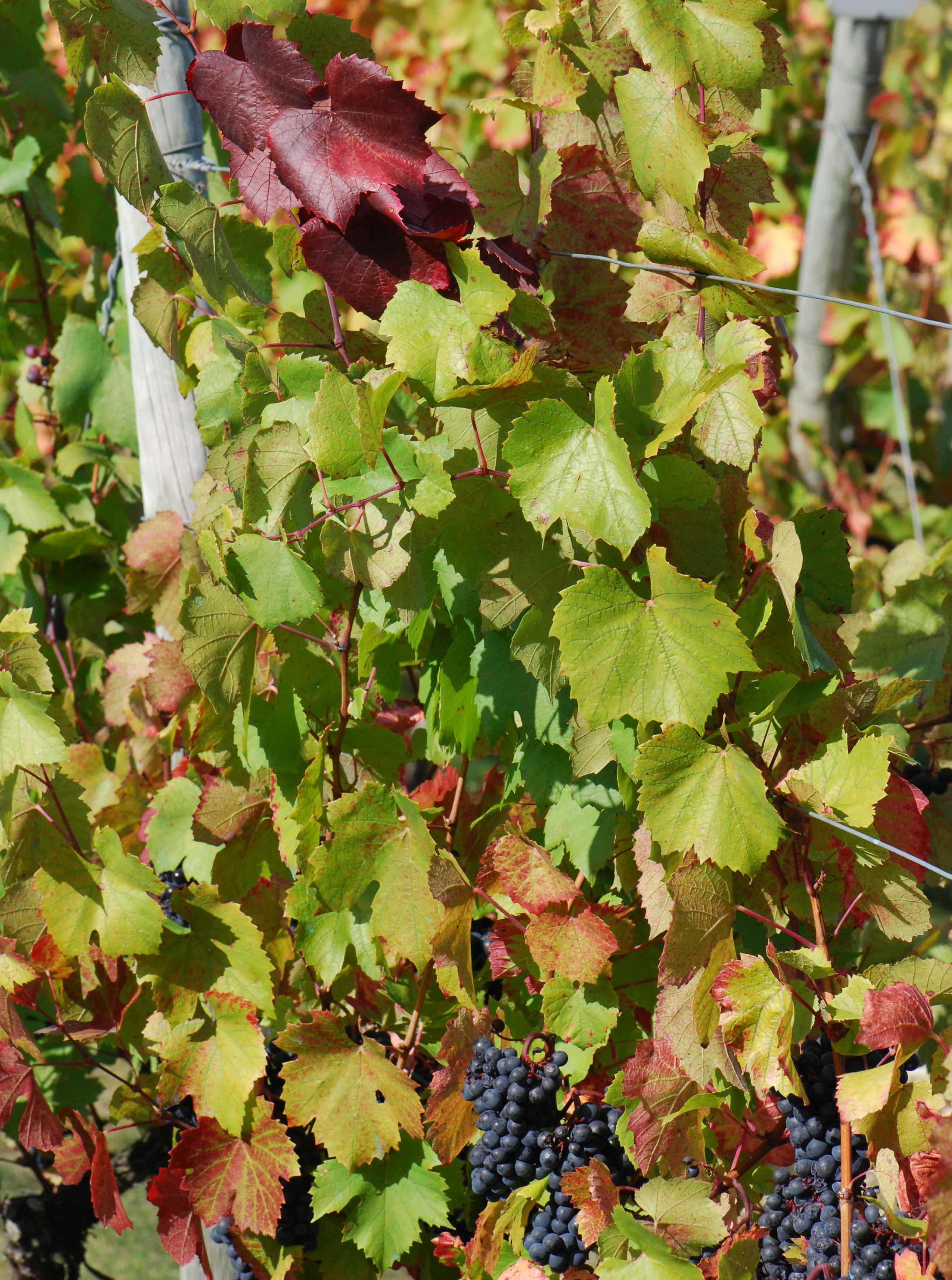
Gamay grape bunch

🍇 Gamay

Also known as: Gamay Noir à Jus Blanc
Pronunciation: ga-MAY /ɡæˈmeɪ/
Red Origin: Beaujolais, France

About Gamay

Gamay is the grape of Beaujolais, producing joyful, fruit-forward wines that are among the most gulpable reds in the world. Famously banished from Burgundy in 1395 by Philip the Bold who called it "disloyal," Gamay found its home in the granite hills of Beaujolais.

The grape is typically made using carbonic maceration, a technique where whole bunches ferment inside the grape, producing wines with vibrant fruit and low tannins. This creates the distinctive banana and bubblegum aromas of Beaujolais Nouveau, though the best cru Beaujolais use partial or no carbonic maceration.

The ten cru villages of Beaujolais (Morgon, Moulin-à-Vent, Fleurie, etc.) produce serious, age-worthy wines that can rival Burgundian Pinot Noir. These wines demonstrate that Gamay is capable of much more than simple, quaffable reds.

Wine Colour & Appearance

Typical colour: Light ruby to medium purple

Characteristically light with violet tints. If deep-coloured, question the grape or extraction method.

Colour Variations by Region

Beaujolais Nouveau: Bright purple-pink, very light
Beaujolais-Villages: Light ruby with violet edge
Cru Beaujolais (Morgon): Medium ruby, more depth
Intensity Pale to medium (rarely deep)
Clarity Brilliant - often slightly hazy if unfiltered
Viscosity Low to medium - typically 12-13% alcohol

Wine Characteristics

Body
Light
Tannin
Low
Acidity
High
Sweetness
Dry
Alcohol
12–14.5%

Gamay wines typically range from 12% to 14.5% ABV. Southern regions like Gaillac may produce wines with slightly higher alcohol content due to increased ripeness.

Tannins

Very low Tannins
Texture & Feel Virtually imperceptible, especially with carbonic maceration. Juicy and bright rather than structured.
Where You Feel Them Negligible - acidity dominates the structure
Ageing Potential Limited - most drink within 2-5 years (crus up to 10)

Aroma & Flavour Profile Le Nez du Vin Reference →

Aromas (Nose) [Le Nez aroma]

  • Fresh raspberry
  • Strawberry [M12 strawberry]
  • Cherry [M18 cherry]
  • Banana [M05 banana]
  • Violet [M29 violet]
  • Pepper [M43 pepper]
  • Kirsch

Flavours (Palate)

  • Bright red fruits
  • Low tannins
  • Juicy acidity
  • Light body
  • Fresh finish

The Nose

Gamay wines typically burst with vibrant primary aromas of fresh red fruit – think strawberry, raspberry, and cherry – often accompanied by a delicate floral perfume like violet. As the wine ages, subtle secondary notes of earth and potting soil emerge, leading to tertiary hints of dried leaves and a savory complexity that enhances its food-friendliness. Overall, the aroma profile is light, bright, and inviting, showcasing a refreshing fruit-forward character balanced by intriguing earthy undertones.

The Palate

Gamay wines are light-bodied with vibrant, high acidity and typically low tannins, creating a refreshing experience on the palate. They burst with bright red fruit flavors like raspberry, cherry, and plum, often accompanied by a subtle floral aroma and a slightly bitter finish. These wines offer a juicy, lively profile that can sometimes evoke the delicate earthiness of Pinot Noir.

Viticulture

Climate:
Cool to moderate continental, with warm summers and cool winters. Requires sufficient heat units to ripen fully, but benefits from cool nights to retain acidity.
Yield:
Yields can be high if not managed carefully. Quality Gamay requires lower yields (around 35-45 hl/ha).
Harvest:
Typically harvested in September or early October, depending on the vintage and desired style. Often hand-harvested.
Canopy Management:
Important for sunlight penetration and airflow. Leaf removal is often practiced.
Flowering:
Early to mid-season flowering.
Veraison:
Relatively early veraison.
Budburst:
Early budburst, making it vulnerable to spring frosts.
Carbonic Maceration:
Traditionally vinified using carbonic maceration, which enhances fruitiness and reduces tannins. This impacts vineyard management as grapes need to be healthy and intact.
Cover Crops:
Used to improve soil health and water management.
Drainage:
Excellent drainage is crucial. Gamay does not tolerate waterlogged soils.
Grape Variety:
Gamay
Notes:
Gamay is a vigorous variety and can be prone to overproduction if not carefully managed., Site selection is critical. Well-drained, sunny slopes are ideal., Yield control is essential for producing high-quality Gamay., Carbonic maceration requires healthy, intact grapes, so vineyard health is paramount., Clone selection can influence wine style. There are several Gamay clones available., Increasingly, winemakers are experimenting with different training systems and canopy management techniques to optimize quality.
Origin:
Beaujolais, France
Pest And Disease Resistance:
Susceptible to downy mildew, powdery mildew, and botrytis. Vulnerable to pests like phylloxera.
Ph:
Slightly acidic to neutral (pH 6.0-7.0)
Preferred:
Granitic soils are classic for Beaujolais, providing good drainage and heat retention. Also grows well on schist, volcanic, and sedimentary soils.
Propagation:
Typically propagated by cuttings.
References:
Wine Grapes by Jancis Robinson, Julia Harding, and José Vouillamoz, The Oxford Companion to Wine by Jancis Robinson
Rootstocks:
SO4, 3309, 110R, Riparia Warner

Grape Morphology

Skin Thickness
Thin
Berry Size
Small
Bunch Tightness
Tight
Botrytis Susceptibility
Medium

Winemaking Notes

Oak Affinity
Low
Oxidation Tendency
Moderate
MLC Typical
Yes
Ageing Potential
5-10 years

Blending Partners

Pinot Noir — Primary partner

To create well-balanced reds, leveraging the similarities in taste profile.

Common in: Burgundy, Coteaux Bourguignons

Notable Regions

Beaujolais, France The spiritual home of Gamay. Beaujolais is known for its light-bodied, fruity red wines. Cru Beaujolais (Morgon, Moulin-à-Vent, Fleurie, etc.) represent the highest quality expressions of the grape, offering more structure and aging potential. Beaujolais-Villages and Beaujolais Nouveau are also produced.
Loire Valley, France (limited plantings) While primarily associated with Beaujolais, Gamay is also grown in the Loire Valley, particularly in the Touraine and Anjou regions. These wines tend to be a bit more rustic and earthy than those from Beaujolais.
United States (California, Oregon, Washington) Gamay has gained some traction in the US, particularly among winemakers looking for alternative red grape varieties. California, Oregon, and Washington all have small plantings. Styles vary, but often aim for the lighter, fruit-forward characteristics of Beaujolais.
Australia (limited plantings) Gamay is a relatively rare variety in Australia, but it is being explored by some winemakers, often in cooler regions. Expect wines with a similar profile to those from Beaujolais, but potentially with more concentration.

Region Map

Similar Grapes & Lateral Confusion

These grapes are commonly confused with Gamay in blind tasting. Here's how to tell them apart:

Pinot Noir

Why confused: Both light-bodied reds with red fruit character. Both Burgundian reds with red fruit.

How to distinguish: Pinot Noir: Gamay is BRIGHTER and more vibrant with candy-like fruit. Pinot has earthy, mushroom complexity. Gamay often shows banana/bubblegum from carbonic maceration.
Gamay: Gamay is brighter and juicier with virtually NO tannins. Banana/bubblegum from carbonic maceration. Pinot has earthy complexity.
Compare side by side →

Maréchal Foch

Why confused: Both produce fruity, lighter-bodied reds with cherry notes

How to distinguish: Maréchal Foch: Gamay has banana/bubblegum notes from carbonic maceration; Foch has more earthy, smoky character
Compare side by side →

Blind Tasting Tips

Colour: Light to medium ruby – one of the palest reds.

Key markers: Very fresh, bright red fruit (raspberry, cherry). Banana/bubblegum if carbonic maceration. Extremely low tannins – almost feels like it could be chilled.

Structure: Light body with virtually no tannins. High, juicy acidity. Low alcohol. Very easy-drinking.

Common confusions: Pinot Noir (more complex, slightly more tannin, earthy notes), Frappato.

Vintage History

Notable vintages for Gamay:

2023
2022
2021
2020
2019
2018
2015
2014
2013

Food Pairings

🌱 Plant-Based & Vegetarian
Slightly chilled as aperitifve Light cheeses
🍖 Classic Pairings
Charcuterie Roast chicken Salmon Thanksgiving turkey

Parentage & Genetics

Parents: Pinot Noir × Gouais Blanc

Clones

Gamay Noir à Jus Blanc

The most well-known Gamay clone, black skinned with white juice. Considered the standard for Beaujolais wines.

Gamay FR 45

Early budding and ripening, known for producing fruity wines with good color. Often used in warmer climates.

Gamay GR 8

High yielding, moderate acidity, and good for producing everyday Beaujolais.

Gamay GR 9

Late budding, moderate vigor, and produces wines with good structure and aging potential.

Bibliography

Books and articles about Gamay:

← Back to Grape Encyclopaedia
Page created: 27 January 2026 | Last updated: 30 January 2026

Grape Page Help

Navigating the Page

Each grape page is organised into sections that you can access quickly:

  • Table of Contents — Click any link at the top to jump directly to that section
  • ← Back button — Returns you to the Grape Encyclopaedia with your filters preserved
  • ↑ Back to top — Appears when you scroll down; click to return to the top
  • Breadcrumbs — Shows your location (Home → Grape Encyclopaedia → Grape Name)

Wine Colour

This section shows the typical appearance of wines made from this grape:

  • Colour swatches — Visual examples from young to aged expressions
  • Intensity — How deep or pale the colour typically appears
  • Clarity — Whether wines are typically clear, hazy, or have sediment
  • Viscosity — The "legs" or "tears" you see on the glass

Characteristics

Key structural elements that define the wine:

  • Acidity — How tart or fresh the wine tastes (low to high)
  • Body — The weight and texture in your mouth (light to full)
  • Alcohol — Typical alcohol range, sometimes with regional variations
  • Sweetness — Dry, off-dry, or sweet (where applicable)

Tannins (Red Wines)

For red wines, this section describes the tannin profile:

  • Level — Low, medium, or high tannin content
  • Texture — Velvety, silky, grippy, chalky, or sandy
  • Location — Where you feel them (front teeth, gums, cheeks, back of mouth)
  • Ageing potential — How tannins evolve over time

Aroma and Flavour Profile

Aromas (nose) and flavours (palate) are listed separately:

  • The Nose — What you smell before tasting
  • The Palate — What you taste and feel in your mouth
  • Le Nez numbers — References like [M15] correspond to Le Nez du Vin aroma kit bottles (M = Masterkit, O = Oak, F = Faults)
Tip: Le Nez Reference Click the "Le Nez du Vin Reference" link in the Aroma section header to see the full aroma reference chart.

Viticulture

Growing conditions this grape prefers:

  • Climate — Cool, moderate, or warm climate preferences
  • Soil — Preferred soil types (limestone, clay, gravel, etc.)
  • Vigour — How vigorously the vine grows
  • Challenges — Common growing difficulties (frost, rot, disease)

Notable Regions

Key wine regions where this grape excels:

  • Map thumbnails — Small preview maps for each region (where available)
  • Click to expand — Opens a larger interactive map
  • Wine region boundaries — Highlighted in wine-red where data is available
  • Zoom and pan — Explore the map interactively
  • Reset View — Returns to the original zoom level

Old World vs New World

Compares how the grape is expressed in different regions:

  • Old World — Traditional European expressions (France, Italy, Spain, etc.)
  • New World — Modern expressions (Australia, USA, Chile, etc.)
  • Differences in style, ripeness, oak use, and flavour profiles

Similar Grapes

Grapes that are often confused with this variety in blind tasting:

  • Why confused — What characteristics they share
  • How to distinguish — Key differences to look for

Blind Tasting Tips

Practical guidance for identifying this grape when tasting blind:

  • Key markers to look for
  • Common pitfalls and look-alikes
  • Diagnostic characteristics that set it apart

Food Pairings

Suggested foods that complement wines from this grape:

  • Vegan/Vegetarian — Plant-based options listed first, marked (ve) for vegan
  • Classic pairings — Traditional meat and seafood matches