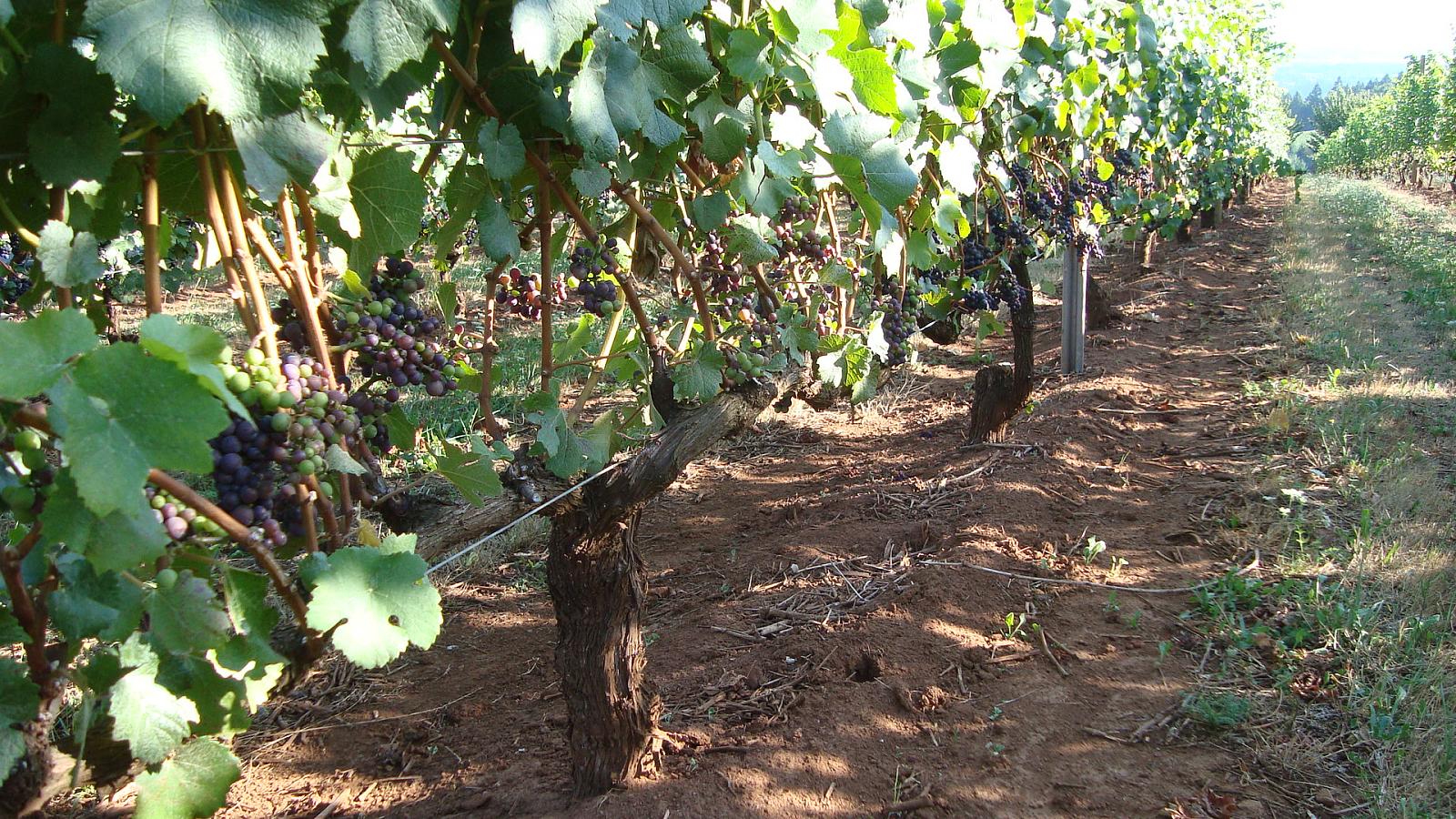
🍇 Pinot Noir ✓
Also known as: Spätburgunder (Germany), Pinot Nero (Italy), BlauburgunderAbout Pinot Noir
Pinot Noir is the grape of Burgundy and one of the oldest cultivated varieties, with records dating back to the 1st century AD. It's notoriously difficult to grow – thin-skinned, prone to disease, and extremely sensitive to terroir – but when it succeeds, it produces some of the most ethereal and sought-after wines in the world.
The grape produces lighter-colored, elegant wines that emphasize finesse over power. Great Pinot Noir is transparent, allowing terroir to shine through. In Burgundy, the same grape grown just meters apart can produce dramatically different wines, making it the ultimate expression of terroir.
Beyond Burgundy, Pinot Noir excels in cool-climate regions: Oregon's Willamette Valley, New Zealand's Central Otago, Tasmania, and Germany's Ahr and Baden. It's also one of the three permitted grapes in Champagne, where it provides body and structure to blends.
Wine Colour & Appearance
Typical colour: Pale to medium ruby with garnet tones
Notably lighter and more translucent than other major red varieties. Shows pale ruby to cherry red, quickly developing brick and orange tones at the rim.
Colour Variations by Region
Wine Characteristics
Pinot Noir from cooler regions (France, Germany) often has lower alcohol content (12-13.5%).
Aroma & Flavour Profile Le Nez du Vin Reference →
Aromas (Nose) [Le Nez aroma]
- Red cherry
- Strawberry strawberry#12
- Raspberry raspberry#13
- Rose petal
- Forest floor
- Mushroom mushroom#31
- Truffle (aged) truffle#32
- Wet leaves
Flavours (Palate)
- Red fruits
- Silky tannins
- Bright acidity
- Earthy undertones
- Long, perfumed finish
The Nose
Pinot Noir’s aroma is a captivating journey beginning with bright red fruit—think strawberry, raspberry, and cherry—often lifted by delicate floral notes of rose and violet. As it matures, the wine develops intriguing secondary scents from oak aging like vanilla and spice, evolving into complex tertiary aromas of earthy forest floor, mushroom, and even a hint of tobacco or leather. This layered profile creates a wine that is both vibrant and profoundly nuanced, rewarding careful attention with its ever-changing bouquet.
The Palate
Pinot Noir offers a delicate palate experience, typically light to medium-bodied with bright acidity and soft, silky tannins. Flavors center around vibrant red fruits like cherry, raspberry, and pomegranate, which can evolve with age to include complex earthy notes of mushroom and forest floor. This combination creates a wine of grace and subtlety, known for its nuanced and engaging character.
Tannins
Old World vs New World
Understanding regional style differences helps identify origin in blind tasting.
🏰 Old World (Europe)
- Earthy, mushroom, forest floor (sous-bois)
- Red fruit over black fruit
- High acidity, silky tannins
- Savoury, gamey notes with age
- Pale colour, translucent
- Terroir-driven, site-specific
🌎 New World (Americas, Australasia)
- Fruit-forward, cherry/strawberry
- Can show darker fruit notes
- Lower acidity, riper profile
- More obvious oak influence
- Deeper colour often
- Cleaner, less funky
Key Tells for Blind Tasting
Mushroomy, earthy, savoury character with pale colour screams Burgundy. Bright, clean cherry fruit with more colour and less earthiness suggests New World (Oregon, NZ).
Similar Grapes & Lateral Confusion
These grapes are commonly confused with Pinot Noir in blind tasting. Use the buttons to switch between the default teaching order and alphabetical order.
Gamay
Why confused: Both light-bodied reds with red fruit character. Both Burgundian reds with red fruit.
Gamay: Gamay is brighter and juicier with virtually NO tannins. Banana/bubblegum from carbonic maceration. Pinot has earthy complexity.
Nebbiolo
Why confused: Both pale-coloured reds that can seem deceptively light. Both pale-coloured, aromatic reds.
Nebbiolo: Nebbiolo has MUCH higher tannins – grippy and drying. Rose/tar signature. Pinot is silky and earthy.
Grenache
Why confused: Lighter Grenache can have similar colour and red fruit. Both can be pale with red fruit character.
Grenache: Grenache has LOW acidity and HIGH alcohol warmth. Pinot has high acidity. Grenache lacks earthy complexity.
Maréchal Foch
Why confused: Both can be light to medium-bodied with red fruit
Blind Tasting Tips
Colour: Pale to medium ruby – one of the lightest red wines. Translucent, never opaque. Early brick/garnet rim with age.
Key markers: Red fruits (cherry, raspberry) over black. Earthy, forest floor character. High-toned aromatics with a perfumed quality.
Structure: Light body with silky, fine tannins. High acidity is a signature. Should feel delicate, not heavy.
Common confusions: Gamay (even lighter, more vibrant fruit), Nebbiolo (higher tannins, tar notes), lighter Grenache.
Viticulture
Grape Morphology
Winemaking Notes
Blending Partners
Adds complexity, acidity and backbone to sparkling wine blends
Common in: Champagne
Adds complexity, acidity and backbone to sparkling wine blends
Common in: Champagne
Creates a light-bodied red wine
Common in: Various
Notable Regions
Legal Classifications
Appellations and wine regions where Pinot Noir is permitted or required:
Red Burgundy (excluding Beaujolais) must be 100% Pinot Noir.
Specifically for Rosé wines within this appellation.
Pinot Noir is a commonly grown and celebrated variety.
Pinot Noir is one of the permitted grapes (along with Chardonnay and Meunier).
Vintage History
Notable vintages for Pinot Noir:
Food Pairings
Parentage & Genetics
Parents: Gouais Blanc
Clones
Popular, relatively high yielding, good for sparkling wine production.
Vigorous, high yielding, produces wines with good color and structure.
Developed for cool climates, produces wines with dark fruit flavors and good acidity.
Produces wines with intense color, complex aromas, and good aging potential.
Known for producing wines with elegant tannins and bright acidity.
Produces wines with concentrated flavors and a silky texture.
Bibliography
Books and articles about Pinot Noir:
Comprehensive overview of Pinot Noir globally, with a focus on New World regions.
A classic, detailed exploration of Pinot Noir, its history, and its challenges.
While not solely Pinot Noir focused, it provides excellent visual aids and accessible information on the grape and its regions.
Database for Pinot Noir wines, pricing, and reviews.
Dedicated to Pinot Noir, with articles, reviews, and producer profiles.
Research on the relationship between climate and Pinot Noir characteristics.
Detailed review of the aroma compounds found in Pinot Noir.
Focuses on Burgundy, the historical home of Pinot Noir, with in-depth vintage reports and producer profiles.
Covers winemaking techniques relevant to Pinot Noir, including fermentation, oak aging, and stabilization.
Wines Featuring Pinot Noir
Wines from our tasting directory that feature this grape: