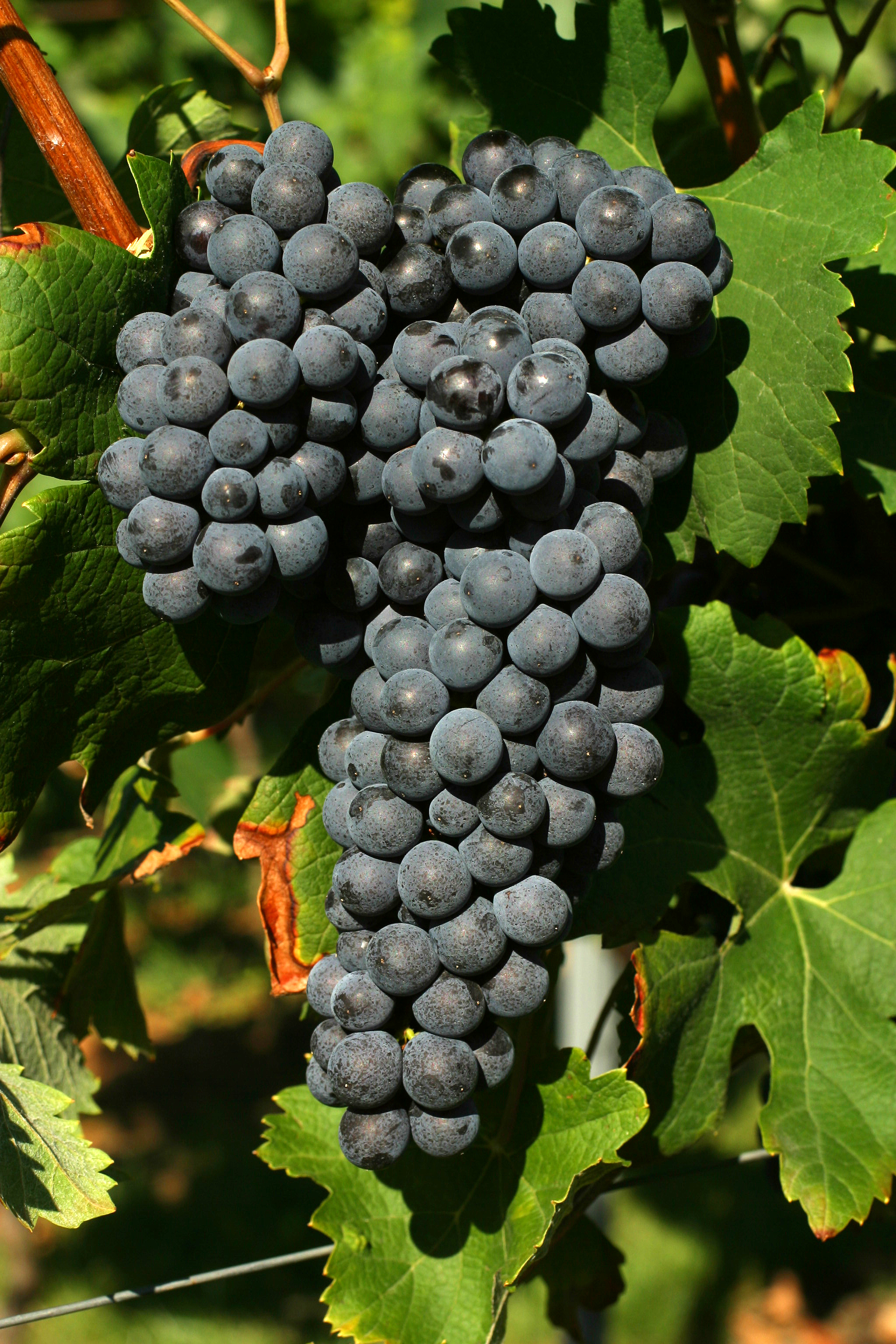
🍇 Nebbiolo
Also known as: Spanna, Chiavennasca, PicotenerAbout Nebbiolo
Nebbiolo is one of the world's great noble grapes, producing Barolo and Barbaresco – Italy's most prestigious and age-worthy red wines. Its name derives from "nebbia" (fog), referring to the autumn mists that blanket the Langhe hills during harvest.
Despite its pale colour, Nebbiolo produces wines of immense structure, with powerful tannins and high acidity that require years of cellaring to soften. Young Nebbiolo can be brutally tannic, but with age it develops an extraordinary bouquet of roses, tar, truffles, and dried herbs.
The grape is extremely terroir-sensitive and rarely succeeds outside Piedmont and a few alpine valleys. Barolo, from the villages around the town of Barolo, tends to be more powerful, while Barbaresco is often considered slightly more elegant and approachable.
Wine Colour & Appearance
Typical colour: Medium garnet with orange rim
Classic paradox: looks like Pinot Noir but has massive tannins. Orange rim appears early and is diagnostic.
Colour Variations by Region
Wine Characteristics
Alcohol content can vary; Barolo and Barbaresco Nebbiolos often exceed 14% ABV, while Langhe Nebbiolo and some lighter styles may be closer to 12-13%.
Aroma & Flavour Profile Le Nez du Vin Reference →
Aromas (Nose) [Le Nez aroma]
- Rose petals
- Tar
- Cherry cherry#18
- Truffle truffle#32
- Dried herbs
- Leather leather#45
- Tobacco
- Licorice
Flavours (Palate)
- Red fruits
- Powerful tannins
- High acidity
- Long, complex finish
- Tar and roses
The Nose
Nebbiolo wines offer a captivating aromatic experience, beginning with bright red fruit like cherry and raspberry, lifted by delicate floral notes of rose and violet. As the wine ages, secondary aromas of leather and licorice develop, eventually giving way to tertiary notes of tar and subtle earthy undertones, creating a complex and intriguing bouquet. This interplay of fruit, floral, and savory characteristics defines Nebbiolo’s uniquely elegant and powerful scent profile.
The Palate
Nebbiolo wines offer a fascinating interplay of power and finesse on the palate, typically presenting as medium-bodied with high acidity and firm, often assertive tannins. Initial flavors of bright red cherry and raspberry are common, evolving with age to include notes of rose, tar, and savory herbs, all supported by a notable alcohol presence and a long, complex finish. This combination creates wines capable of both youthful vibrancy and decades of graceful aging.
Tannins
Similar Grapes & Lateral Confusion
These grapes are commonly confused with Nebbiolo in blind tasting. Use the buttons to switch between the default teaching order and alphabetical order.
Pinot Noir
Why confused: Both pale-coloured reds that can seem deceptively light. Both pale-coloured, aromatic reds.
Nebbiolo: Nebbiolo has MUCH higher tannins – grippy and drying. Rose/tar signature. Pinot is silky and earthy.
Sangiovese
Why confused: Both Italian, high acid, high tannin reds. Both Italian with high acid and tannin.
Nebbiolo: Nebbiolo is paler with rose/tar aromatics. Sangiovese has tomato leaf and sour cherry. Nebbiolo from Barolo is more powerful.
Blind Tasting Tips
Colour: Deceptively PALE – garnet/brick/orange even when young. One of the lightest-colored reds despite its power.
Key markers: "Tar and roses" is the classic descriptor. Rose petals on the nose is highly diagnostic. Cherry fruit with herbal/earthy complexity. With age: truffles, leather.
Structure: HIGH tannins + HIGH acidity in a pale wine = Nebbiolo signature. Grippy, drying tannins that coat the mouth.
Common confusions: Pinot Noir (much lower tannins), Sangiovese (less floral, more herbal).
Viticulture
Grape Morphology
Winemaking Notes
Blending Partners
To soften Nebbiolo's tannins and add color and acidity, particularly in Langhe Nebbiolo.
Common in: Piedmont
To add fruitiness and approachability, also common in Langhe Nebbiolo blends.
Common in: Piedmont
Notable Regions
Legal Classifications
Appellations and wine regions where Nebbiolo is permitted or required:
Exclusively Nebbiolo grapes.
Exclusively Nebbiolo grapes.
While primarily Sangiovese, Nebbiolo is permitted as a blending grape.
Nebbiolo is a key grape of the Piedmont region, alongside Barbera.
Vintage History
Notable vintages for Nebbiolo:
Food Pairings
Parentage & Genetics
Parents: Lambrusca di Alessandria × Nebbiolo Rosé
Clones
Most widely planted Nebbiolo clone. Known for producing wines with good structure and aging potential.
Produces aromatic wines, often considered more floral and delicate than Lampia.
Certified clone, buds burst 6 days before Chasselas, mid-season maturity (2.5-3 weeks after Chasselas).
Nebbiolo clone specifically grown in Valtellina, adapted to the region's unique terroir.
Bibliography
Books and articles about Nebbiolo:
Comprehensive overview of Nebbiolo, covering history, viticulture, winemaking, and regional variations.
Standard reference work; includes detailed sections on Piedmont and Nebbiolo.
Visually oriented guide with a good introduction to Nebbiolo characteristics.
Classic, in-depth look at the two most famous Nebbiolo wines. Can be harder to find.
Focuses on the terroir and vineyards of Nebbiolo.
Price comparison, information on producers, and regional distribution.
Detailed information for wine professionals, but accessible to enthusiasts. Covers viticulture, winemaking, and tasting notes.
Searchable database for research articles on viticulture and enology, including potentially Nebbiolo-specific studies.
International journal of grapevine training, research and its practice. May contain relevant research on Nebbiolo.
Detailed reviews and reports on Piedmont wines, including Nebbiolo-based wines.
Wines Featuring Nebbiolo
Wines from our tasting directory that feature this grape: