🍇 Sangiovese ✓
Also known as: Brunello, Prugnolo Gentile, Morellino, NielluccioAbout Sangiovese
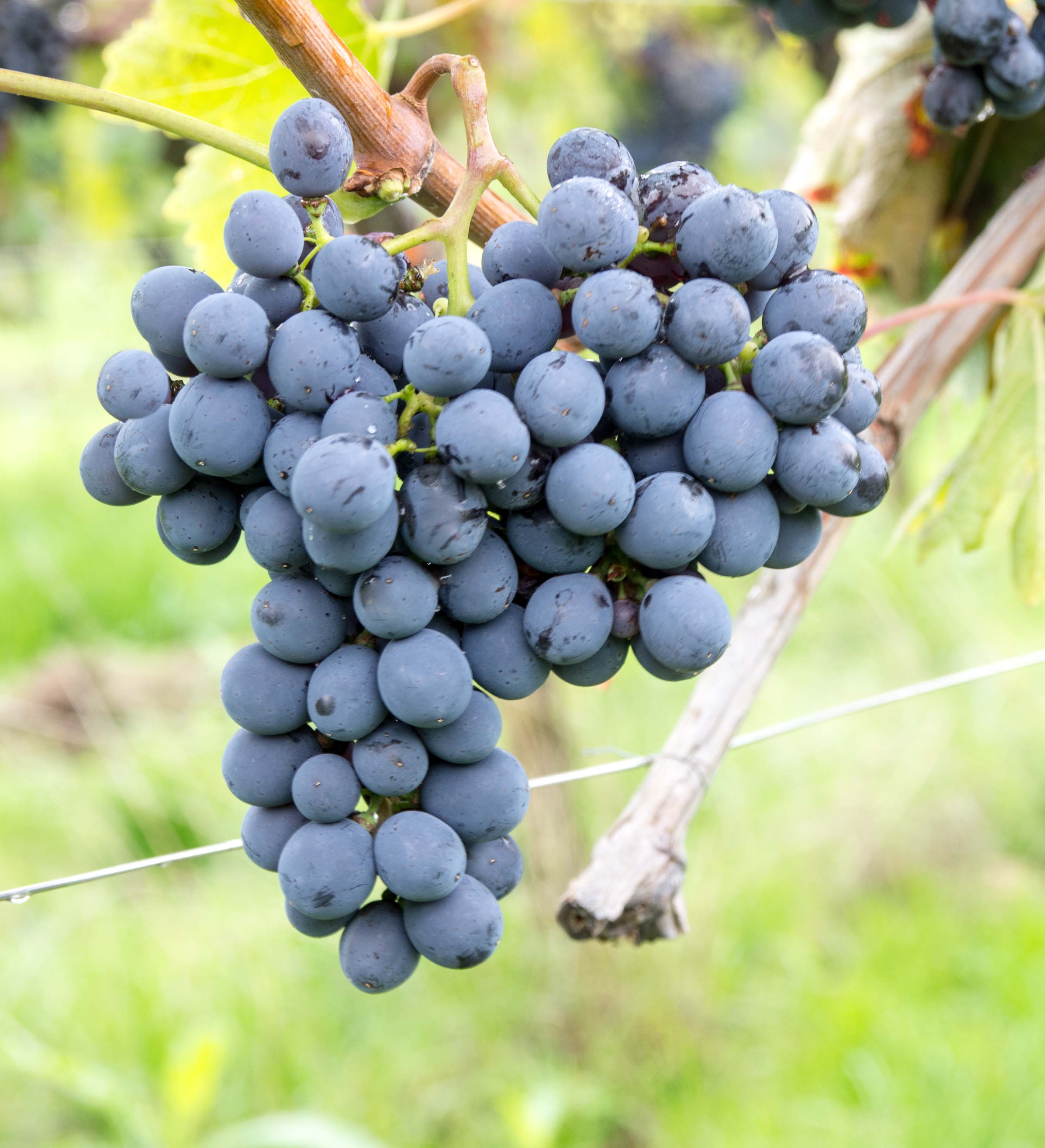
Sangiovese is Italy's most planted and important grape variety, the soul of Tuscany and the primary grape in Chianti, Brunello di Montalcino, and Vino Nobile di Montepulciano. Its name means "blood of Jove" (Jupiter), reflecting its ancient Roman heritage.
The grape is notoriously site-sensitive, requiring careful vineyard management to ripen fully while retaining its distinctive high acidity. When well-made, Sangiovese produces medium-bodied wines with firm tannins, bright acidity, and flavors of sour cherry, herbs, and tea leaves.
Brunello di Montalcino, made from 100% Sangiovese (locally called Brunello), is one of Italy's greatest and most age-worthy wines. Super Tuscans, which blend Sangiovese with international varieties like Cabernet Sauvignon, have brought global recognition to the grape.
Wine Colour & Appearance
Typical colour: Medium ruby with garnet rim
Thin-skinned grape with natural acidity. Develops orange rim relatively quickly. Never opaque.
Colour Variations by Region
Wine Characteristics
Alcohol content can vary based on vintage, region, and winemaking style. Warmer climates and riper grapes generally lead to higher alcohol levels.
Aroma & Flavour Profile Le Nez du Vin Reference →
Aromas (Nose) [Le Nez aroma]
- Cherry cherry#18
- Plum
- Rosemary
- Thyme thyme#39
- Violets
- Green Pepper
- Vanilla vanilla#40
- Toast toast#48
- Cedar cedar#34
- Clove clove#42
- Butter butter#47
- Dried Cherry
- Truffle truffle#32
- Mushroom mushroom#31
- Leather leather#45
- Tobacco
- Honey honey#27
Flavours (Palate)
- Tart red fruits
- Firm, drying tannins
- Bright acidity
- Herbal notes
- Long, savory finish
The Nose
Sangiovese wines present a captivating aromatic profile, initially bursting with bright red cherry and plum, often interwoven with notes of sweet violet and dried fig. As the wine matures, savory characteristics emerge – think sun-dried tomato, leather, and earthy undertones – alongside hints of spice and a subtle oak influence. This interplay of fresh fruit, floral notes, and evolving savory complexity defines the distinctive and appealing nose of Sangiovese.
The Palate
Sangiovese wines are typically dry, medium-bodied reds characterized by high acidity and firm, noticeable tannins. The flavor profile is vibrant and complex, often showcasing bright red cherry alongside savory notes of roasted tomato and balsamic, with an underlying herbal quality. These wines offer a mouthwatering experience, balancing fruit with earthy and acidic components.
Tannins
Similar Grapes & Lateral Confusion
These grapes are commonly confused with Sangiovese in blind tasting. Use the buttons to switch between the default teaching order and alphabetical order.
Tempranillo
Why confused: Both Mediterranean varieties with similar structure. Both medium-bodied with red fruit.
Sangiovese: Sangiovese has higher acidity and herbal notes. Tempranillo has American oak influence and leather.
Nebbiolo
Why confused: Both Italian, high acid, high tannin reds. Both Italian with high acid and tannin.
Nebbiolo: Nebbiolo is paler with rose/tar aromatics. Sangiovese has tomato leaf and sour cherry. Nebbiolo from Barolo is more powerful.
Blind Tasting Tips
Colour: Medium ruby with an orange/brick rim, often visible even in young wines.
Key markers: Sour cherry (not sweet cherry) is diagnostic. Look for herbal/tomato leaf character. Distinctive dusty, tea-leaf tannins.
Structure: High acidity + high tannins = very food-friendly. Medium body but can feel quite firm and drying.
Common confusions: Nebbiolo (more tar/rose, higher tannins), Tempranillo (more leather, softer acidity), Barbera (higher acidity, lower tannins).
Viticulture
Grape Morphology
Winemaking Notes
Blending Partners
Adds color, softens tannins, and contributes to overall balance.
Common in: Tuscany
Enhances color and adds structure.
Common in: Tuscany
Softens Sangiovese's tannins and adds fruit-forwardness.
Common in: Tuscany, California, Argentina
Adds structure, color, and complexity.
Common in: Tuscany, California, Argentina
Adds color, body, and softens acidity.
Common in: Tuscany, Umbria, Marche
Notable Regions
Legal Classifications
Appellations and wine regions where Sangiovese is permitted or required:
Primary grape of the region; DOCG classification.
Allows for 100% Sangiovese or blends; wines not conforming to DOC/DOCG rules.
Sangiovese is a key component, though percentages vary by subzone.
100% Sangiovese Grosso, a specific biotype of Sangiovese.
Minimum 70% Sangiovese (locally known as Prugnolo Gentile).
Primarily Sangiovese.
Vintage History
Notable vintages for Sangiovese:
Food Pairings
Parentage & Genetics
Parents: Ciliegiolo × Calabrese
Clones
Highly regarded clone, known for producing wines with complex aromas, firm tannins, and aging potential.
A group of clones, generally characterized by larger berries and robust growth. Forms the base for many other Sangiovese selections.
Bibliography
Books and articles about Sangiovese:
Comprehensive overview within *The Oxford Companion to Wine*.
Accessible introduction to Italian wines, including Sangiovese.
Detailed maps and descriptions of Sangiovese growing regions.
Focuses on Brunello, a key Sangiovese expression, but provides extensive information on the grape itself.
Detailed exploration of Chianti Classico, another key Sangiovese expression, and the grape's characteristics.
Visually-driven guide with a section on Sangiovese and its flavor profile.
In-depth look at all native Italian grapes, with a substantial section dedicated to Sangiovese's history, genetics, and regional variations.