← Back
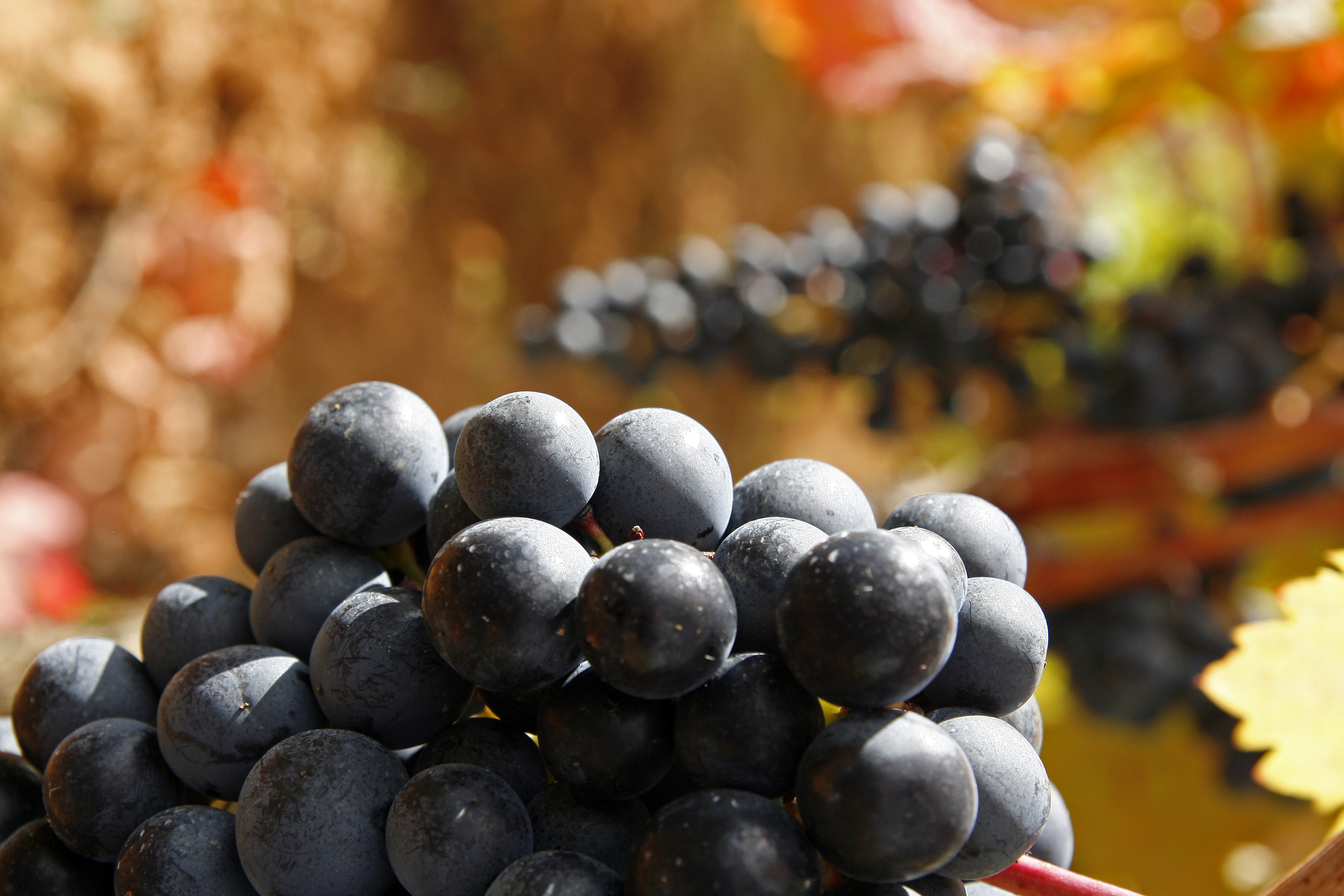
Tempranillo grape bunch

πŸ‡ Tempranillo βœ“

Also known as: Tinto Fino, Tinta Roriz (Portugal), Cencibel, Ull de Llebre, Aragonez
Pronunciation: TEM-prah-NEE-lyoh /tem.praˈni.ʎo/
Red Origin: Rioja, Spain

About Tempranillo

Tempranillo is Spain's most noble grape variety, forming the backbone of Rioja and Ribera del Duero wines. Its name derives from "temprano" (early), referring to its early ripening compared to other Spanish varieties.

The grape produces medium to full-bodied wines with moderate acidity and tannins. Traditionally, Tempranillo is aged extensively in American oak, giving it distinctive vanilla and coconut notes, though modern winemakers increasingly use French oak for subtler integration.

Tempranillo is remarkably versatile, producing everything from young, fruity Joven wines to age-worthy Gran Reservas that develop complex tertiary notes of leather, tobacco, and dried fruits. In Portugal, as Tinta Roriz, it's a key component in Port wines.

Wine Colour & Appearance

Typical colour: Medium to deep ruby

Develops garnet/tawny rim with oak ageing. Gran Reserva often quite pale with age from extended barrel time.

Colour Variations by Region

Rioja Joven/Crianza: Medium ruby-purple
Rioja Gran Reserva: Garnet to tawny with age
Ribera del Duero: Deeper ruby-purple, more saturated
Toro: Very deep, almost opaque
Intensity Medium to deep
Clarity Clear; aged examples develop sediment
Viscosity Medium to medium-high - 13-14.5% alcohol typical

Wine Characteristics

Body
Medium full
Tannin
Medium
Acidity
Medium
Sweetness
Dry
Alcohol
12.5–15%

Alcohol content can vary based on ripeness of the grapes, winemaking style, and region. Rioja Tempranillo tends to be on the lower end of the range, while wines from warmer regions may reach higher ABVs.

Tannins

Medium Tannins
Texture & Feel Smooth and well-integrated, especially with oak ageing. Supple rather than grippy. Traditional Rioja has polished, rounded tannins.
Where You Feel Them Mid-palate, well-integrated with oak influence
Ageing Potential Good - Gran Reservas can age 20+ years

Aroma & Flavour Profile Le Nez du Vin Reference β†’

Aromas (Nose) [Le Nez aroma]

  • Cherry [M18 cherry]
  • Strawberry [M12 strawberry]
  • Plum
  • Leather [M45 leather]
  • Tobacco
  • Vanilla [M40 vanilla]
  • Dill (American oak)
  • Dried figs (aged)

Flavours (Palate)

  • Red fruits
  • Leather
  • Moderate tannins
  • Vanilla/spice from oak
  • Savory finish

The Nose

Tempranillo wines offer a compelling aromatic experience, beginning with vibrant primary notes of ripe red cherry and plum, often alongside a touch of blackberry. As the wine ages, secondary aromas of vanilla and toasty oak mingle with tertiary hints of leather, dried tobacco, and earthy undertones like forest floor, creating a complex and balanced profile. Ultimately, a well-aged Tempranillo presents a captivating interplay between fresh fruit, subtle spice, and savory earthiness.

The Palate

Tempranillo wines offer a fascinating interplay of flavors, typically presenting a medium-to-full body with moderate tannins and acidity. The palate is characterized by bright red fruit like cherry and strawberry, evolving into savory notes of leather, tobacco, and even a hint of tomato, alongside earthy undertones and subtle spice – the best examples achieving a beautiful balance between fruit and these complex, non-fruit characteristics. Oak aging is common, further contributing to the wine’s complexity with vanilla and spice notes.

Viticulture

Climate:
Continental, Mediterranean. Prefers warm days and cool nights. Can tolerate drought conditions.
Soil:
Well-drained soils are crucial. Favors calcareous clay, gravel, and loam. Can adapt to a variety of soil types, but best results are achieved with good drainage.
Training Systems:
Espalier, Gobelet (Bush Vine), Cordon Royat
Vigour:
Moderate to vigorous. Can be controlled with appropriate canopy management.
Yield:
Moderate. Yields can be high if not managed, but quality suffers. Typically 3-5 tons/hectare for quality production.
Harvest:
Mid-September to October (Northern Hemisphere). Harvest timing is critical for balancing sugar and acidity.
Canopy Management:
Important for sun exposure and air circulation. Common techniques include: VSP (Vertical Shoot Positioning), Scott Henry, and Guyot. Leaf removal is often practiced to improve fruit ripening and reduce disease pressure.
Pruning:
Spur pruning is common, but cane pruning can also be used.
Budding:
Medium-early budding. Susceptible to spring frosts.
Flowering:
Normal
Veraison:
Early to mid-season.
Botrytis Bunch Rot:
Susceptible, especially in humid conditions. Canopy management is key to mitigation.
Esca:
Susceptible to Esca (a wood disease).
Irrigation:
Can tolerate drought, but irrigation may be necessary in very dry years, especially for young vines. Controlled deficit irrigation can improve quality.
La Mancha:
Adaptable to the warmer, drier climate, often producing high-yielding wines.
Mildew:
Moderate susceptibility. Requires preventative measures.
Origin:
Spain (Ribera del Duero, Rioja, La Mancha)
Phylloxera:
Requires grafting onto resistant rootstocks.
Portugal (Douro):
Known as Tinta Roriz, contributes to Port wine and dry red wines.
Powdery Mildew:
Moderate susceptibility. Requires preventative measures.
Ribera Del Duero:
Grown on gravel and limestone, producing powerful, structured wines.
Rioja:
Often grown on ferrous-clay soils, resulting in aromatic wines.
Rootstocks:
110 Richter, SO4, 3309, 420A, Kober 5BB
Special Considerations:
Thinning fruit can improve berry quality and concentration. Sun exposure is vital for developing color and flavor. Altitude can influence ripening and acidity.

Grape Morphology

Skin Thickness
Medium
Berry Size
Medium|large
Bunch Tightness
Tight
Botrytis Susceptibility
Medium

Winemaking Notes

Oak Affinity
High
Oxidation Tendency
Moderate
MLC Typical
Yes
Ageing Potential
10-20 years

Blending Partners

Garnacha β€” Primary partner

Adds freshness, fruitiness, and alcohol to balance Tempranillo's structure.

Common in: Rioja, Ribera del Duero, Spain

Mazuelo (Carignan) β€” Secondary partner

Contributes acidity, color, and tannin.

Common in: Rioja, Spain

Graciano β€” Secondary partner

Adds floral aromas, acidity, and color; often used in smaller proportions for complexity.

Common in: Rioja, Spain

Tinta Roriz (same as Tempranillo) β€” Traditional partner

Used in Port wine blends to contribute structure and flavor.

Common in: Portugal (Douro)

Notable Regions

Rioja, Spain Considered the heartland of Tempranillo. Rioja Alta, Rioja Alavesa, and Rioja Oriental (formerly Rioja Baja) each offer distinct expressions of the grape, influenced by varying altitudes, soils (clay, limestone, ferrous), and climate. Known for elegant, ageable wines with red fruit, vanilla, and spice notes.
Ribera del Duero, Spain Known for powerful, concentrated Tempranillo (locally called Tinto Fino). Continental climate with significant temperature variations. Wines are typically full-bodied with dark fruit, tobacco, and mineral characteristics. Often aged in American oak.
Priorat, Spain A small but highly regarded region in Catalonia. Characterized by steep, slate (licorella) soils. Tempranillo (locally called Garnacha Tinta and Carignan are often blended) produces intensely flavored, structured wines with dark fruit, minerality, and herbal notes.
Duero Valley (Portugal) While Touriga Nacional is dominant, Tempranillo (locally called Tinta Roriz) is an important component in many Douro wines, particularly in the drier, unfortified styles. Adds structure and red fruit to blends. Terraced vineyards and schist soils.
La Mancha, Spain A vast region producing a significant amount of Tempranillo. Generally warmer climate, resulting in riper fruit flavors. Often used for everyday drinking wines, but some producers are focusing on quality.
California (USA) Tempranillo is gaining popularity in California, particularly in the Central Coast and Paso Robles. Warmer climate yields ripe, fruit-forward wines. Often blended with other varietals.
Argentina Tempranillo is grown in several regions, including Mendoza and La Rioja. High altitude vineyards contribute to concentrated flavors and good acidity. Often exhibits red and black fruit characteristics.

Region Map

Similar Grapes & Lateral Confusion

These grapes are commonly confused with Tempranillo in blind tasting. Here's how to tell them apart:

Grenache

Why confused: Both Spanish varieties with red fruit.

How to distinguish: Grenache: Tempranillo has more structure and leather/tobacco notes from oak. Grenache is jammier and higher alcohol.
Compare side by side →

Sangiovese

Why confused: Both Mediterranean varieties with similar structure. Both medium-bodied with red fruit.

How to distinguish: Tempranillo: Tempranillo has American oak (vanilla, coconut, dill). Sangiovese has higher acidity and herbal/tomato leaf notes.
Sangiovese: Sangiovese has higher acidity and herbal notes. Tempranillo has American oak influence and leather.
Compare side by side →

Merlot

Why confused: Similar plum fruit and soft tannins.

How to distinguish: Tempranillo: Tempranillo shows leather, tobacco, and distinctive oak character. Merlot is rounder without the savoury complexity.
Compare side by side →

Blind Tasting Tips

Colour: Medium ruby; develops brick/tawny rim with extended oak aging.

Key markers: Red cherry fruit with leather and tobacco. Look for distinctive American oak signature: vanilla, coconut, dill. Traditional Rioja has a sweet vanilla/cream character.

Structure: Medium tannins and acidity. Well-integrated alcohol. Smooth rather than aggressive.

Common confusions: Sangiovese (higher acidity, more herbal), Merlot (softer, more plum-focused).

Vintage History

Notable vintages for Tempranillo:

2023
Early budburst and flowering due to a warm spring. A dry summer with moderate heat spikes. Harvest began earlier than usual, yielding concentrated fruit with good acidity. Potential for powerful, structured wines. Some water stress in unirrigated vineyards, but overall quality is high.
2022
A challenging vintage. Severe frost in spring significantly reduced yields. The growing season was hot and dry, leading to early ripening and some concerns about phenolic maturity. Wines are concentrated but may lack the complexity of cooler years. Careful vineyard management was crucial.
2021
Cool and wet spring, followed by a relatively mild summer. Harvest occurred in late September/early October under ideal conditions. Wines exhibit excellent balance, with bright acidity, elegant tannins, and pronounced fruit flavors. A classic vintage with aging potential.
2020
A warm and dry year, but with more consistent temperatures than 2019. Fruit ripened evenly, resulting in wines with rich fruit, supple tannins, and good structure. A generous and approachable vintage.
2019
An exceptionally warm and dry vintage. Heat stress was a concern, particularly in younger vineyards. Wines are powerful and concentrated, with ripe tannins and dark fruit flavors. Requires careful cellaring to integrate the high alcohol and tannins.
2018
A near-perfect vintage. Ideal rainfall throughout the growing season, followed by a warm, dry summer and a cool September. Wines are balanced, elegant, and expressive, with excellent concentration and aging potential. Considered a benchmark year.
2017
A difficult vintage marked by severe spring frosts and a dry summer. Yields were significantly reduced. The resulting wines are concentrated but less opulent than those of 2016 or 2018. Good acidity provides structure.
2016
A generous and balanced vintage. Sufficient rainfall during the spring and early summer, followed by a warm and dry late summer. Wines are rich, full-bodied, and approachable, with ripe fruit and smooth tannins.
2015
A warm and dry vintage, producing concentrated and powerful wines. Tannins are firm but well-integrated. Good aging potential.
2014
A cool and wet vintage, resulting in wines with higher acidity and lighter body. More restrained fruit flavors. Good for early drinking.

Food Pairings

🌱 Plant-Based & Vegetarian
Manchego cheese
πŸ– Classic Pairings
Roast lamb JamΓ³n ibΓ©rico Chorizo Grilled meats Beef stew

Parentage & Genetics

Parents: Albillo Mayor Γ— Benedicto

Clones

770

Early budding and ripening, moderate vigor.

771

Moderate vigor, good for producing high-quality wines.

776

Late budding and ripening, high vigor.

VCR224

Details not widely available, part of a larger clone study.

VCR379

Details not widely available, part of a larger clone study.

VCR472

Details not widely available, part of a larger clone study.

VCR478

Details not widely available, part of a larger clone study.

RJ26

Details not widely available.

RJ43

Details not widely available.

RJ51

Details not widely available.

RJ75

Details not widely available.

RJ78

Details not widely available.

RJ79

Details not widely available.

Bibliography

Books and articles about Tempranillo:

The World Atlas of Wine by Hugh Johnson & Jancis Robinson (Mitchell Beazley, 2019) β†—
Wine Folly: Magnum Edition: The Master Guide by Madeline Puckette & Justin Hammack (Folly Productions, 2018) β†—
Spanish Wine: A Complete Guide by Julian Jeffs (Mitchell Beazley, 2018) β†—
Genetic diversity and relationships among Spanish Tempranillo varieties
The Oxford Companion to Wine by Jancis Robinson (Editor) (Oxford University Press, 2015) β†—
← Back to Grape Encyclopaedia

Wines Featuring Tempranillo

Wines from our tasting directory that feature this grape:

Rioja Vega Tempranillo Blanco
Bodegas Rioja Vega
Rioja, Spain
Page created: 27 January 2026 | Last updated: 30 January 2026

Grape Page Help

Navigating the Page

Each grape page is organised into sections that you can access quickly:

  • Table of Contents — Click any link at the top to jump directly to that section
  • ← Back button — Returns you to the Grape Encyclopaedia with your filters preserved
  • ↑ Back to top — Appears when you scroll down; click to return to the top
  • Breadcrumbs — Shows your location (Home → Grape Encyclopaedia → Grape Name)

Wine Colour

This section shows the typical appearance of wines made from this grape:

  • Colour swatches — Visual examples from young to aged expressions
  • Intensity — How deep or pale the colour typically appears
  • Clarity — Whether wines are typically clear, hazy, or have sediment
  • Viscosity — The "legs" or "tears" you see on the glass

Characteristics

Key structural elements that define the wine:

  • Acidity — How tart or fresh the wine tastes (low to high)
  • Body — The weight and texture in your mouth (light to full)
  • Alcohol — Typical alcohol range, sometimes with regional variations
  • Sweetness — Dry, off-dry, or sweet (where applicable)

Tannins (Red Wines)

For red wines, this section describes the tannin profile:

  • Level — Low, medium, or high tannin content
  • Texture — Velvety, silky, grippy, chalky, or sandy
  • Location — Where you feel them (front teeth, gums, cheeks, back of mouth)
  • Ageing potential — How tannins evolve over time

Aroma and Flavour Profile

Aromas (nose) and flavours (palate) are listed separately:

  • The Nose — What you smell before tasting
  • The Palate — What you taste and feel in your mouth
  • Le Nez numbers — References like [M15] correspond to Le Nez du Vin aroma kit bottles (M = Masterkit, O = Oak, F = Faults)
Tip: Le Nez Reference Click the "Le Nez du Vin Reference" link in the Aroma section header to see the full aroma reference chart.

Viticulture

Growing conditions this grape prefers:

  • Climate — Cool, moderate, or warm climate preferences
  • Soil — Preferred soil types (limestone, clay, gravel, etc.)
  • Vigour — How vigorously the vine grows
  • Challenges — Common growing difficulties (frost, rot, disease)

Notable Regions

Key wine regions where this grape excels:

  • Map thumbnails — Small preview maps for each region (where available)
  • Click to expand — Opens a larger interactive map
  • Wine region boundaries — Highlighted in wine-red where data is available
  • Zoom and pan — Explore the map interactively
  • Reset View — Returns to the original zoom level

Old World vs New World

Compares how the grape is expressed in different regions:

  • Old World — Traditional European expressions (France, Italy, Spain, etc.)
  • New World — Modern expressions (Australia, USA, Chile, etc.)
  • Differences in style, ripeness, oak use, and flavour profiles

Similar Grapes

Grapes that are often confused with this variety in blind tasting:

  • Why confused — What characteristics they share
  • How to distinguish — Key differences to look for

Blind Tasting Tips

Practical guidance for identifying this grape when tasting blind:

  • Key markers to look for
  • Common pitfalls and look-alikes
  • Diagnostic characteristics that set it apart

Food Pairings

Suggested foods that complement wines from this grape:

  • Vegan/Vegetarian — Plant-based options listed first, marked (ve) for vegan
  • Classic pairings — Traditional meat and seafood matches