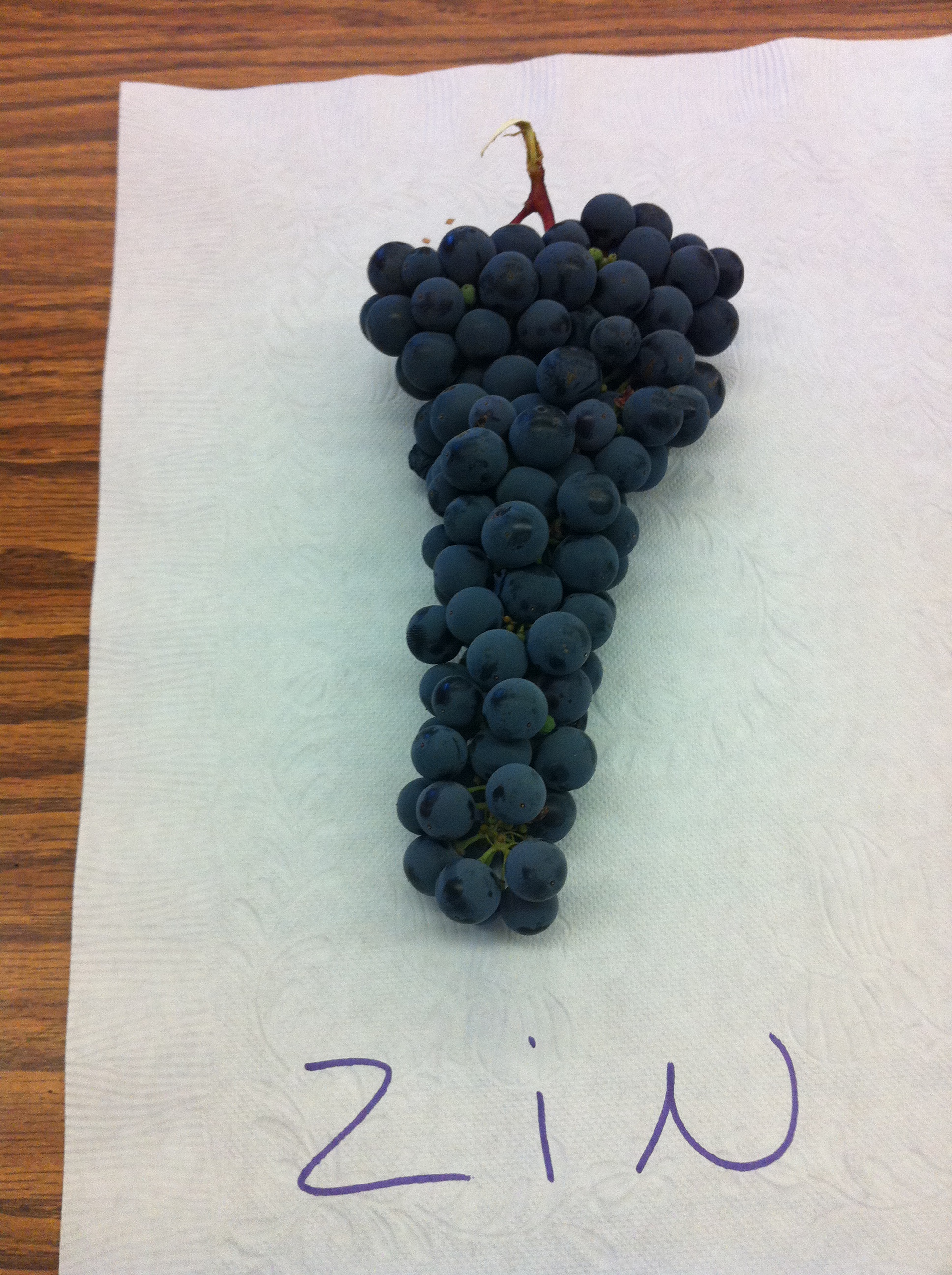
🍇 Zinfandel/Primitivo
Also known as: Crljenak Kaštelanski, Tribidrag, KratošijaAbout Zinfandel/Primitivo
Zinfandel/Primitivo is one grape variety with several identities: genetically the same vine as Primitivo in Puglia and historically tied back to Croatia, yet taught most often through its bold Californian red-wine expression. On this page the point is not that one name is "truer" than the other, but that the same grape can produce recognisably different teaching styles.
California Zinfandel tends to be the more exuberant branch, often showing brambly blackberry fruit, pepper, sweet oak spice and clearly high alcohol, especially from old-vine sites in Dry Creek, Lodi, Paso Robles and Amador County. Primitivo in Puglia can be just as ripe, but often reads a touch darker-plum, more Mediterranean and slightly drier or more rustic in feel.
The grape is also unusually versatile. Besides dry reds, it gave rise to White Zinfandel, the pale pink, often off-dry Californian rose style that became hugely important commercially. That matters historically, but it is not the main blind-tasting identity of the grape.
Wine Colour & Appearance
Typical colour: Deep ruby to purple-black
Same grape as Primitivo. Tends to ripen unevenly giving varied colour intensity. High viscosity from high alcohol.
Colour Variations by Region
Wine Characteristics
Alcohol content can vary, with some Italian Primitivo reaching up to 16% ABV. Many Zinfandels/Primitivos fall in the 14-15% range.
Aroma & Flavour Profile Le Nez du Vin Reference →
Zinfandel (California)
Primitivo (Puglia)
The Nose: Ripe, brambly and high-toned, with blackberry, cherry compote and pepper over sweet oak spice in fuller examples.
The Palate: Full-bodied and warm, with juicy dark berry fruit, medium tannins and alcohol that often feels more prominent than acidity.
The Nose: Darker-plum and more Mediterranean in feel, with black cherry, dried herbs and liquorice over a warmer, less overtly oaky profile.
The Palate: Full-bodied and ripe, but often a touch less jammy than Californian Zin, with medium tannins, plum-led fruit and a slightly drier savoury edge.
Also Important
White Zinfandel
An important but separate branch of the same grape: a pale pink, usually off-dry California rosé style that shows strawberry-candy fruit, soft acidity and easy-drinking sweetness rather than the peppery, brambly depth of dry red Zinfandel.
Aromas (Nose) [Le Nez aroma]
Aroma profile: California Zinfandel is typically the more exuberant and jammy branch, led by blackberry, black cherry and bramble fruit with a spicy black-pepper lift. In fuller, oak-shaped examples, vanilla, coconut and warm baking spice often sit over the fruit. Mature bottles can drift toward dried fig and leather without losing the grape's ripe, generous feel.
Aromas (Nose) [Le Nez aroma]
Aroma profile: Primitivo in Puglia usually keeps the same ripe dark-fruit family as California Zinfandel, but reads a little more Mediterranean and less openly jammy. Black plum, black cherry, blackberry, dried herb and liquorice often define the nose, while cocoa and sweet spice can sit underneath without making oak the centre of gravity.
Flavours (Palate) [Le Nez aroma]
Palate profile: On the palate, California Zinfandel is usually full-bodied, fruit-saturated and clearly warm in alcohol, with medium tannins and a broad, mouth-filling shape. The fruit often feels almost sweet because of ripeness, even when the wine is dry, and the finish can carry pepper, oak spice and a slightly heady richness.
Flavours (Palate) [Le Nez aroma]
Palate profile: On the palate, Primitivo is still full-bodied, ripe and generous, often with similarly high alcohol, but it can feel a shade firmer and more savoury than the Californian branch. Plum, black cherry and blackberry lead the fruit, while liquorice, cocoa and spice often give the finish a slightly drier, more rustic edge.
Oak-driven cues usually sit in the Secondary Aromas and Secondary Flavours bands above. See Oak for a fuller explanation of how much oak matters for this grape or style.
Tannins
Oak
Old World vs New World
Understanding regional style differences helps identify origin in blind tasting.
🏰 Old World (Europe)
- Primitivo in Puglia usually shows black plum, black cherry, dried herb and liquorice, with a slightly drier, more Mediterranean feel.
- Alcohol can still be high, but the wines often read less overtly jammy and less obviously oak-sweet than Californian examples.
🌎 New World (Americas, Australasia)
- California Zinfandel is usually the more exuberant branch, with brambly blackberry fruit, pepper, sweeter oak spice and very obvious ripeness.
- Old-vine bottlings can feel broader and more heady, with alcohol warmth often more noticeable than acidity.
Key Tells for Blind Tasting
California Zin usually feels riper, jammier and more obviously high-alcohol; Primitivo often leans darker-plum, more herbal and a touch drier or more rustic on the finish.
Similar Grapes & Lateral Confusion
These grapes are commonly confused with Zinfandel/Primitivo in blind tasting. Use the buttons to switch between the default teaching order and alphabetical order.
Grenache
Why confused: Very ripe Grenache can also be warm, full-bodied and generously fruited, especially in hot Mediterranean regions.
Petite Sirah
Why confused: Both can look dark, ripe and powerful, and Petite Sirah is often associated with California blends.
Syrah
Why confused: Both can be full-bodied, dark-fruited and spicy, especially in warm-climate examples.
Malbec
Why confused: Both can show plush dark fruit, full body and a generous, crowd-pleasing ripeness.
Nero d'Avola
Why confused: Both can deliver ripe dark fruit, southern warmth and Mediterranean spice.
Tempranillo
Why confused: Modern ripe Tempranillo can also read full-bodied, dark-fruited and oak-shaped.
Carignan
Why confused: Warm-climate Carignan can also be dark-fruited, spicy and Mediterranean in feel.
Cabernet Sauvignon
Why confused: Rich, oaked examples can overlap on dark fruit, body and overall seriousness of structure.
Cabernet Franc
Why confused: Riper warm-climate examples can occasionally sit near Zinfandel as a broader dark-red teaching comparator.
Blind Tasting Tips
Colour: Medium to deep ruby-purple in the dry red styles.
Key markers: Look for very ripe black-fruit character, bramble, black pepper and clearly elevated alcohol. California Zinfandel often shows the jammier, sweeter-seeming branch; Primitivo often leans more toward black plum, liquorice and dried Mediterranean herb.
Structure: Full body with medium tannins and medium acidity. Alcohol is often the loudest structural clue, and the fruit can feel almost sweet even when the wine is dry.
Common confusions: Syrah/Shiraz (more savoury and meaty), Petite Sirah (much more tannic), and very ripe Grenache (usually less peppery and less brambly).
Viticulture
Grape Morphology
Winemaking Notes
Blending Partners
Adds softness, roundness, and red fruit notes to balance Zinfandel's boldness.
Common in: California, Italy
Contributes structure, tannin, and dark fruit flavors, enhancing complexity and aging potential.
Common in: California
Provides peppery spice, dark fruit, and structure, complementing Zinfandel's existing characteristics.
Common in: California, Australia
Notable Regions
Legal Classifications
Appellations and wine regions where Zinfandel/Primitivo is permitted or required:
Zinfandel is predominantly found in California.
Primitivo is the Italian name for the same grape as Zinfandel.
Vintage History
Notable vintages for Zinfandel/Primitivo:
Food Pairings
Parentage & Genetics
Parents: Plavac Mali × Unknown
Clones
Often displays more rustic, earthy characteristics with higher acidity and tannins compared to some Zinfandel clones. Can exhibit flavors of black cherry, plum, and spice.
Considered a parent of Zinfandel/Primitivo. Often produces deeply colored wines with high tannin and acidity, showcasing dark fruit and herbal notes.
An old biotype of Primitivo, known for producing wines with intense color, high alcohol, and distinctive aromas.
Historically, many 'Zinfandel' plantings were field selections, meaning vines were chosen for desirable traits within a larger population. These selections vary widely but often produce wines with ripe fruit, high alcohol, and a brambly character.
A widely planted selection known for consistent yields and good fruit quality. Produces wines with balanced fruit and moderate tannins.
Another common selection, often yielding wines with darker fruit flavors and a fuller body than Clone 101.
Wines Featuring Zinfandel/Primitivo
Wines from our tasting directory that feature this grape: