← Back
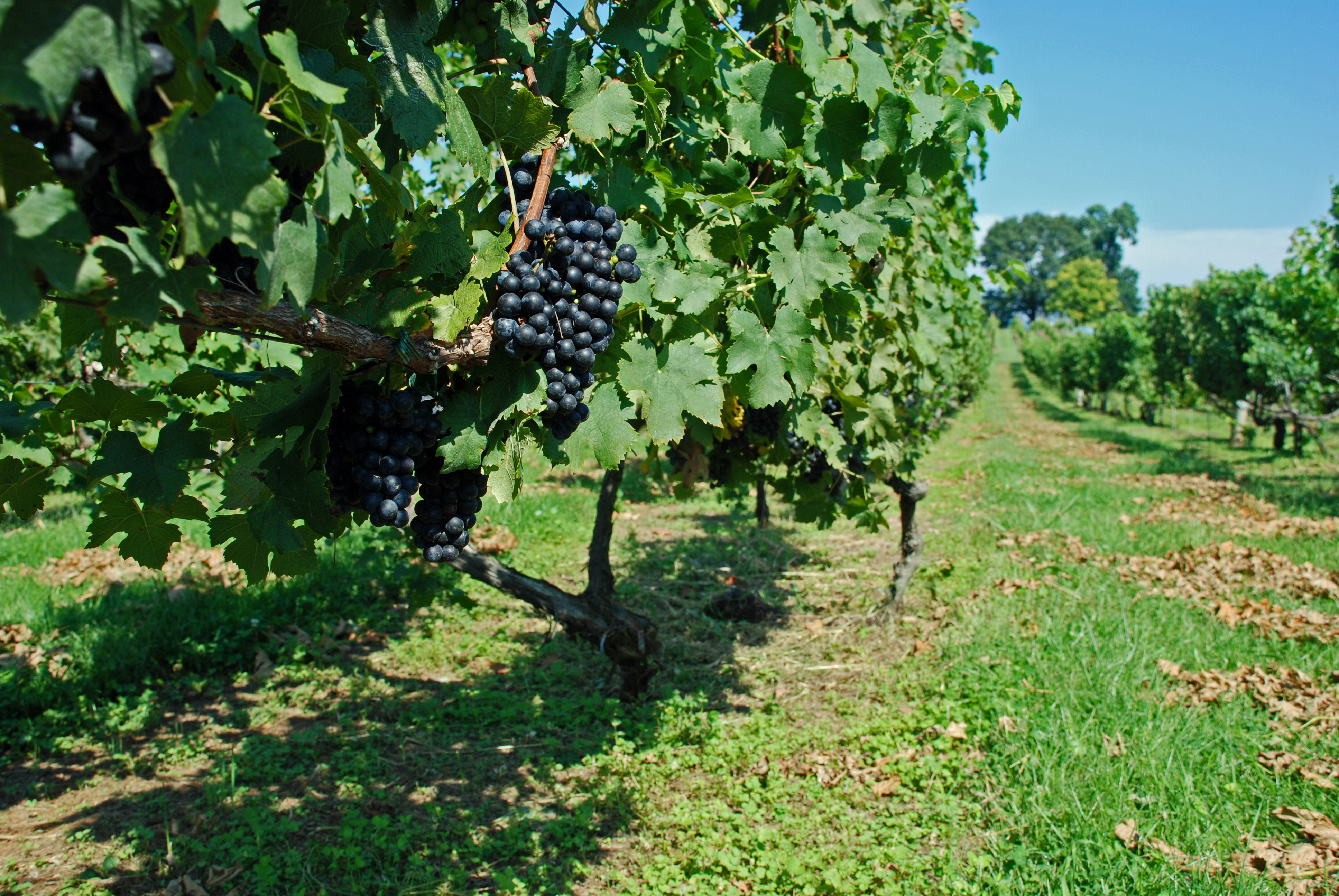
Cabernet Franc grape bunch

🍇 Cabernet Franc

Also known as: Bouchet, Breton
Pronunciation: ka-ber-NAY frank /ˌkæbərˈneɪ ˌfrɒ̃/
Red Origin: Loire Valley, France

About Cabernet Franc

Cabernet Franc is one of the parent grapes of Cabernet Sauvignon and produces some of the world's most elegant and perfumed red wines. While often overshadowed by its offspring in Bordeaux, it shines as a single-varietal wine in the Loire Valley's Chinon, Bourgueil, and Saumur-Champigny.

The grape ripens earlier than Cabernet Sauvignon and can succeed in cooler climates where Cabernet Sauvignon struggles. Its wines are typically lighter, more aromatic, and more herbaceous, with distinctive notes of graphite, violet, and bell pepper.

On Bordeaux's Right Bank, Cabernet Franc is essential to the blends of Saint-Émilion, where Château Cheval Blanc uses it extensively. It adds finesse, perfume, and freshness to Bordeaux blends. The grape is also gaining recognition in Ontario, Canada, and Long Island, New York.

Wine Colour & Appearance

Typical colour: Medium ruby to garnet

Lighter than Cabernet Sauvignon with more translucency. Shows ruby to crimson hues with quicker evolution to garnet and brick tones.

Colour Variations by Region

Loire Valley (Chinon): Bright ruby with crimson highlights
Saint-Émilion: Medium ruby-purple
Finger Lakes: Light ruby to cherry red
Intensity Medium - not as deep as Cabernet Sauvignon, often with visible rim variation
Clarity Brilliant - typically bright and clear
Viscosity Medium - moderate tears on the glass

Wine Characteristics

Body
Medium
Tannin
Medium
Acidity
Medium high
Sweetness
Dry
Alcohol
13–14.5%

Alcohol content can vary based on ripeness of grapes and winemaking style, with warmer climate wines generally having higher alcohol levels.

Tannins

Medium Tannins
Texture & Feel Finer-grained than Cabernet Sauvignon. Fresh and slightly leafy quality. More elegant and less assertive grip.
Where You Feel Them Subtle presence across mid-palate
Ageing Potential Moderate - Loire versions peak 5-15 years

Aroma & Flavour Profile Le Nez du Vin Reference →

Aromas (Nose) [Le Nez aroma]

  • Red bell pepper
  • Raspberry [M13 raspberry]
  • Violet [M29 violet]
  • Graphite
  • Herbs
  • Tobacco leaf
  • Crushed rocks

Flavours (Palate)

  • Red fruits
  • Herbaceous notes
  • Medium tannins
  • Fresh acidity
  • Mineral finish

The Nose

Cabernet Franc often presents a captivating aromatic profile beginning with vibrant red fruit – think raspberry and blackcurrant – interwoven with a distinctive herbaceousness reminiscent of bell pepper or even green peppercorn. As the wine ages, secondary notes of tobacco and a subtle spice like black pepper emerge, potentially evolving into tertiary hints of cedar and dried leaves with further maturation. This interplay of fruit, savory herbs, and developing complexity makes Cabernet Franc uniquely fragrant and inviting.

The Palate

Cabernet Franc typically presents a medium-bodied wine with bright acidity and moderate tannins, offering a refreshing lift on the palate. Its flavor profile is a captivating mix of red fruit like raspberry and red currant, often accompanied by herbaceous notes of bell pepper, violet, and sometimes a touch of spice. Well-made examples balance these savory and fruity elements, creating a complex and uniquely aromatic experience.

Viticulture

Climate:
Cabernet Franc thrives in moderate climates. It's more adaptable than Cabernet Sauvignon, tolerating cooler temperatures but still needing sufficient heat to ripen fully.
Training Systems:
Single and Double Guyot, Cordon de Royat, Vertical Shoot Positioning (VSP)
Ripening:
Ripens earlier than Cabernet Sauvignon, making it suitable for cooler climates. However, achieving full phenolic maturity can still be a challenge in marginal regions.
Canopy Management:
Canopy management is important to ensure good sun exposure and air circulation. Leaf removal is often practiced to improve fruit ripening and reduce disease pressure.
Pruning:
Typically pruned using a short or medium spur pruning system. Pruning severity influences yield and fruit concentration. Late pruning can help delay budburst and reduce frost risk.
Budding:
Medium budding. Susceptible to spring frosts.
Common Challenges:
Frost: Early budding makes it vulnerable to spring frosts., Fungal Diseases: Susceptible to mildew (downy and powdery) and botrytis, especially in humid climates. Requires careful vineyard management and potentially fungicide applications., Bird Damage: Birds can be a significant problem, requiring netting or other deterrents., Herbicide Injury: Sensitive to certain herbicides, so careful selection and application are necessary., Leafroll Viruses: Like many *Vitis vinifera* varieties, susceptible to leafroll viruses, which can impact fruit quality and vine health.
Cover Crops:
Cover crops can be used to improve soil health, suppress weeds, and manage vine vigor.
Drainage:
Excellent drainage is critical to prevent root rot and promote healthy vine growth.
Fertility:
Moderate fertility is preferred. Excessively fertile soils can lead to vigorous vegetative growth at the expense of fruit quality.
Harvest Time:
Typically harvested in September or October (Northern Hemisphere), February or March (Southern Hemisphere).
Irrigation:
Irrigation may be necessary in dry climates, but careful management is crucial to avoid overwatering.
Ph:
Slightly acidic to neutral pH (6.0-7.0) is ideal.
Planting Density:
Varies depending on soil and climate, but generally 2,500 - 5,000 vines per hectare (1,000 - 2,000 vines per acre).
Rootstocks:
110R, SO4, Riparia, 99R
Row Orientation:
Row orientation should maximize sunlight exposure, typically east-west in the Northern Hemisphere and north-south in the Southern Hemisphere.
Type:
Well-drained soils are essential. Cabernet Franc performs well in gravelly, sandy loam, and even chalky soils.

Grape Morphology

Skin Thickness
Medium
Berry Size
Small|medium
Bunch Tightness
Medium
Botrytis Susceptibility
Medium

Winemaking Notes

Oak Affinity
Low
Oxidation Tendency
Moderate
MLC Typical
Yes
Ageing Potential
5-10 years

Blending Partners

Merlot — Primary partner

Adds softness, red fruit, and balances Cabernet Franc's herbaceousness and acidity.

Common in: Bordeaux (Right Bank), Loire Valley

Cabernet Sauvignon — Secondary partner

Contributes structure, tannins, and dark fruit flavors, complementing Cabernet Franc's aromatics.

Common in: Bordeaux (Médoc), California, Washington State

Carménère — Traditional partner

Shares similar pyrazine characteristics with Cabernet Franc, creating complex aromatic profiles when blended.

Common in: Bordeaux, Chile

Chenin Blanc — Secondary partner

Used in rosé blends to add acidity and aromatic complexity.

Common in: Loire Valley (Anjou, Chinon)

Notable Regions

Loire Valley, France The Loire Valley is considered the spiritual home of Cabernet Franc. Specifically, the regions of Chinon, Bourgueil, and Saumur are known for producing elegant, aromatic Cabernet Franc with notes of red fruit, graphite, and often a distinctive vegetal (bell pepper) character. Chinon tends to be the most structured and age-worthy.
Chinon, France Known for its gravelly soils, Chinon produces Cabernet Franc with pronounced minerality, firm tannins, and flavors of red currant, tobacco, and often a hint of violet. It's often described as 'rustic' but in a positive way, showcasing terroir.
Bourgueil, France Bourgueil Cabernet Franc is generally softer and more approachable than Chinon, with bright red fruit, floral aromas, and a silky texture. It's often enjoyed younger.
Saumur-Champigny, France Saumur-Champigny offers a style between Chinon and Bourgueil, with a good balance of structure and fruit. The soils are varied, leading to a range of expressions, but generally expect red and black fruit, earthy notes, and moderate tannins.
Friuli, Italy Friuli, particularly the Colli Orientali del Friuli, has embraced Cabernet Franc as a key variety. The wines are typically full-bodied, with ripe black fruit, spice, and a distinctive herbaceousness. Often sees some oak aging.
Washington State, USA Washington State, especially the Columbia Valley, produces Cabernet Franc with ripe fruit (black cherry, plum), herbal notes, and a balanced acidity. It's often blended with other Bordeaux varieties but is increasingly seen as a single-varietal wine.
Walla Walla Valley, USA Walla Walla Valley Cabernet Franc tends to be richer and more concentrated than those from other parts of Washington, with flavors of blackberry, cassis, and spice. The warm climate contributes to fuller body and softer tannins.
Cahors, France While Malbec is dominant, Cabernet Franc is an important component of Cahors blends, adding aromatic complexity and structure. Expect dark fruit, earthy notes, and firm tannins.
South Africa Cabernet Franc is gaining popularity in South Africa, particularly in Stellenbosch and Franschhoek. Wines are often full-bodied with notes of red and black fruit, spice, and a characteristic herbaceousness.
Puy-de-Dome, France An up-and-coming region in the Auvergne, Puy-de-Dome is producing interesting Cabernet Franc with volcanic influence, resulting in wines with mineral notes and bright acidity.

Region Map

Old World vs New World

Understanding regional style differences helps identify origin in blind tasting.

🏰 Old World (Europe)

  • Pronounced herbaceous character (bell pepper)
  • Lighter body, higher acidity
  • Violet and graphite aromatics
  • Typically unoaked or lightly oaked
  • Elegant, food-friendly style
  • Best from Loire Valley

🌎 New World (Americas, Australasia)

  • Riper fruit, less herbaceous
  • Fuller body, softer acidity
  • More oak influence common
  • Can approach Cab Sauv in richness
  • Warmer regions reduce green notes
  • Often blended rather than varietal

Key Tells for Blind Tasting

If you smell green bell pepper prominently with light body and high acidity, think Loire. Riper, darker fruit with less herbaceous character and more body points to New World.

Similar Grapes & Lateral Confusion

These grapes are commonly confused with Cabernet Franc in blind tasting. Here's how to tell them apart:

Cabernet Sauvignon

Why confused: Parent grape with similar name and herbaceous character. Parent grape with similar name and structure.

How to distinguish: Cabernet Sauvignon: Cab Franc is LIGHTER in colour and body. More raspberry than cassis. Violet florals. Less grippy tannins.
Cabernet Franc: Cab Franc is lighter with RED pepper (vs cassis). More violet and graphite. Fresher and more aromatic.
Compare side by side →

Carménère

Why confused: Both have herbaceous, bell pepper character. Both have herbaceous character.

How to distinguish: Cabernet Franc: Carménère is MORE intensely green. Cab Franc has raspberry fruit and violet florals. Cab Franc is lighter.
Carménère: Carménère is more intensely green/herbal. Cab Franc has more red fruit and violet notes.
Compare side by side →

Blind Tasting Tips

Colour: Medium ruby – lighter than Cabernet Sauvignon.

Key markers: Red bell pepper/capsicum is the signature aroma. More herbaceous than Cabernet Sauvignon. Violet and graphite notes. Raspberry over blackcurrant.

Structure: Medium body with medium tannins. Fresher and lighter than Cabernet Sauvignon. Higher-toned aromatics.

Common confusions: Cabernet Sauvignon (darker, cassis, higher tannins), Carménère (more intensely green/herbal).

Vintage History

Notable vintages for Cabernet Franc:

2023
A warm, dry summer led to early ripening. Cabernet Franc shows concentrated fruit – black cherry, plum – with good acidity, but potentially a slightly higher alcohol level. Harvest was early, beginning in late August in some areas. Expect wines with good structure and aging potential, but potentially lacking some of the aromatic complexity of cooler years. Some concerns about water stress in younger vines.
2022
A very warm and dry vintage, reminiscent of 2020. Cabernet Franc is ripe and powerful, with notes of blackberry, cassis, and a hint of tobacco. Acidity is present but less pronounced than in cooler years. Careful vineyard management was crucial to avoid overripe flavors. Expect wines that are approachable in their youth but with good structure for aging.
2021
A challenging vintage marked by spring frosts and some summer hail. Yields were significantly reduced in certain areas. The resulting Cabernet Franc is more concentrated and structured, with bright acidity and notes of red currant, raspberry, and green pepper. Wines are elegant and refined, but production is limited.
2020
An exceptionally warm and dry vintage. Cabernet Franc is opulent and generous, with ripe black fruit flavors, a full body, and smooth tannins. Some wines exhibit a jammy character. Acidity is moderate. A forward vintage, approachable young, but with good structure for aging.
2019
A classic vintage with a warm, dry summer followed by a cool September. Cabernet Franc shows excellent balance, with ripe fruit (red cherry, plum), vibrant acidity, and a distinctive herbaceous character (bell pepper, violet). Wines are elegant, complex, and have excellent aging potential.
2018
A warm and relatively dry vintage, though with some beneficial rain in the spring. Cabernet Franc is rich and concentrated, with notes of black cherry, plum, and spice. Tannins are well-integrated. A generous and approachable vintage, but with good structure.
2017
A difficult vintage due to severe spring frosts that significantly reduced yields. The resulting Cabernet Franc is concentrated and powerful, with notes of red currant, raspberry, and a pronounced herbaceous character. Wines are structured and age-worthy, but production is limited.
2016
A very good vintage with a cool, wet spring followed by a warm, dry summer. Cabernet Franc is elegant and balanced, with notes of red cherry, raspberry, and violet. Acidity is bright, and tannins are refined. Wines are complex and have excellent aging potential.
2015
A warm and dry vintage, producing ripe and concentrated Cabernet Franc. Notes of black cherry, plum, and spice are prominent. Tannins are smooth and well-integrated. A generous and approachable vintage.
2019
A long, cool growing season allowed for excellent flavor development in Cabernet Franc. Wines exhibit notes of blackberry, cassis, and a hint of bell pepper. Good acidity and structure suggest aging potential. A more restrained style compared to warmer years.
2020
A challenging vintage due to wildfires. Smoke taint was a concern in some areas. Cabernet Franc that avoided smoke exposure shows ripe fruit and full body, but careful selection was necessary.
2021
A cool and wet spring followed by a warm, dry summer. Cabernet Franc shows bright acidity and concentrated fruit flavors – red cherry, raspberry, and a hint of green pepper. Wines are elegant and balanced, with good structure.
2022
An exceptionally warm and dry vintage. Cabernet Franc is ripe and concentrated, with notes of blackberry, plum, and a hint of spice. Acidity is moderate. A forward vintage, approachable young.

Food Pairings

🌱 Plant-Based & Vegetarian
Grilled vegetablesve Mushroom dishesve Goat cheese
🍖 Classic Pairings
Roast chicken Pork loin Herb-crusted lamb

Parentage & Genetics

Parents: Magdeleine Noire des Charentes

Clones

Clone 210

Early budding and ripening, moderate vigor.

Clone 211

Good vigor, produces consistent yields.

Clone 212

Known for producing wines with good color and structure.

Clone 213

Moderate vigor, good resistance to certain diseases.

Clone 326

High yielding, early maturing.

Clone 327

Produces wines with aromatic complexity.

Clone 393

Late budding, good for cooler climates.

Clone 394

Vigorous, produces wines with good tannin structure.

Bibliography

Books and articles about Cabernet Franc:

Wine Folly: Magnum Edition by Karen MacNeil (William Morrow, 2017)

Excellent general wine resource with good coverage of major grapes, including Cabernet Franc. Visual and accessible.

The World Atlas of Wine by Hugh Johnson & Jancis Robinson (Mitchell Beazley, 2019)

Comprehensive global wine guide. Detailed information on regions and grape varieties, including Cabernet Franc's key growing areas.

Understanding Wine Technology by David Bird (DBQA Publishing, 2010)

Technical details on viticulture and winemaking, useful for understanding how Cabernet Franc is cultivated and processed.

Wine-Searcher

Price comparison, wine ratings, and information on Cabernet Franc wines from around the world.

VIVC - Cabernet Franc

Detailed varietal information from the leading international wine organization.

Aromatic Profile of Cabernet Franc Wines from Different Terroirs

Scientific study analyzing the aroma compounds in Cabernet Franc wines from different regions.

Genetic Structure and Parentage of Grapevine Varieties

Important research on the genetic origins of Cabernet Franc and its relationship to other grape varieties.

Loire Valley Wine Bureau

Focuses on Cabernet Franc as a key variety in the Loire Valley, France. Regional information.

The Oxford Companion to Wine by Jancis Robinson (Editor) (Oxford University Press, 2014)

A definitive reference work on all aspects of wine. Includes a comprehensive entry on Cabernet Franc.

← Back to Grape Encyclopaedia

Wines Featuring Cabernet Franc

Wines from our tasting directory that feature this grape:

Chateau D'Issan 2019 Margaux
Chateau D'Issan
Bordeaux
Page created: 27 January 2026 | Last updated: 5 February 2026

Grape Page Help

Navigating the Page

Each grape page is organised into sections that you can access quickly:

  • Table of Contents — Click any link at the top to jump directly to that section
  • ← Back button — Returns you to the Grape Encyclopaedia with your filters preserved
  • ↑ Back to top — Appears when you scroll down; click to return to the top
  • Breadcrumbs — Shows your location (Home → Grape Encyclopaedia → Grape Name)

Wine Colour

This section shows the typical appearance of wines made from this grape:

  • Colour swatches — Visual examples from young to aged expressions
  • Intensity — How deep or pale the colour typically appears
  • Clarity — Whether wines are typically clear, hazy, or have sediment
  • Viscosity — The "legs" or "tears" you see on the glass

Characteristics

Key structural elements that define the wine:

  • Acidity — How tart or fresh the wine tastes (low to high)
  • Body — The weight and texture in your mouth (light to full)
  • Alcohol — Typical alcohol range, sometimes with regional variations
  • Sweetness — Dry, off-dry, or sweet (where applicable)

Tannins (Red Wines)

For red wines, this section describes the tannin profile:

  • Level — Low, medium, or high tannin content
  • Texture — Velvety, silky, grippy, chalky, or sandy
  • Location — Where you feel them (front teeth, gums, cheeks, back of mouth)
  • Ageing potential — How tannins evolve over time

Aroma and Flavour Profile

Aromas (nose) and flavours (palate) are listed separately:

  • The Nose — What you smell before tasting
  • The Palate — What you taste and feel in your mouth
  • Le Nez numbers — References like [M15] correspond to Le Nez du Vin aroma kit bottles (M = Masterkit, O = Oak, F = Faults)
Tip: Le Nez Reference Click the "Le Nez du Vin Reference" link in the Aroma section header to see the full aroma reference chart.

Viticulture

Growing conditions this grape prefers:

  • Climate — Cool, moderate, or warm climate preferences
  • Soil — Preferred soil types (limestone, clay, gravel, etc.)
  • Vigour — How vigorously the vine grows
  • Challenges — Common growing difficulties (frost, rot, disease)

Notable Regions

Key wine regions where this grape excels:

  • Map thumbnails — Small preview maps for each region (where available)
  • Click to expand — Opens a larger interactive map
  • Wine region boundaries — Highlighted in wine-red where data is available
  • Zoom and pan — Explore the map interactively
  • Reset View — Returns to the original zoom level

Old World vs New World

Compares how the grape is expressed in different regions:

  • Old World — Traditional European expressions (France, Italy, Spain, etc.)
  • New World — Modern expressions (Australia, USA, Chile, etc.)
  • Differences in style, ripeness, oak use, and flavour profiles

Similar Grapes

Grapes that are often confused with this variety in blind tasting:

  • Why confused — What characteristics they share
  • How to distinguish — Key differences to look for

Blind Tasting Tips

Practical guidance for identifying this grape when tasting blind:

  • Key markers to look for
  • Common pitfalls and look-alikes
  • Diagnostic characteristics that set it apart

Food Pairings

Suggested foods that complement wines from this grape:

  • Vegan/Vegetarian — Plant-based options listed first, marked (ve) for vegan
  • Classic pairings — Traditional meat and seafood matches