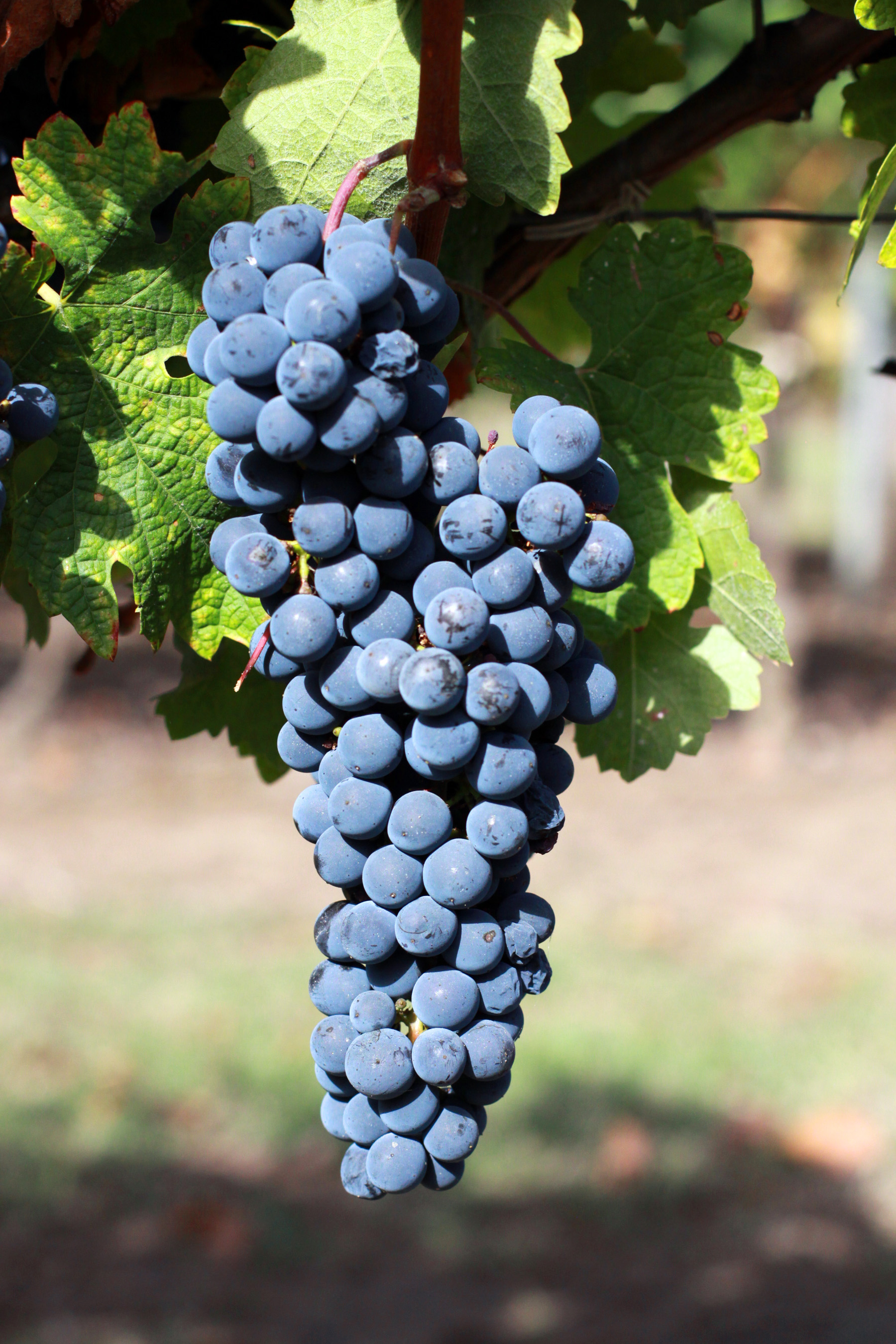
🍇 Cabernet Sauvignon
Also known as: Cab Sauv, CabernetAbout Cabernet Sauvignon
Cabernet Sauvignon is often called the "king of red grapes" and is the most widely planted red wine variety in the world. A natural cross between Cabernet Franc and Sauvignon Blanc, it emerged in 17th-century Bordeaux and has since conquered every major wine region.
The grape produces deeply colored, full-bodied wines with firm tannins and excellent aging potential. Its thick skin contributes intense colour, tannin structure, and resistance to rot. In cool climates, it shows herbaceous, green bell pepper notes; in warmer regions, it develops riper blackcurrant and plum characters.
Cabernet Sauvignon is the backbone of Bordeaux's Left Bank blends and has found exceptional expressions in Napa Valley, Coonawarra, and Chile's Maipo Valley. It responds beautifully to oak aging, gaining complexity with notes of cedar, tobacco, and vanilla.
Wine Colour & Appearance
Typical colour: Deep ruby to purple core with garnet rim
Young wines show intense purple-black hues. With age, the colour evolves from ruby to garnet and eventually brick-brown at the rim.
Colour Variations by Region
Wine Characteristics
Bordeaux typically 12.5-14%, Napa Valley often 14-15.5%, cooler regions like Coonawarra 13-14%
Aroma & Flavour Profile Le Nez du Vin Reference →
Aromas (Nose) [Le Nez aroma]
- Blackcurrant (cassis) blackcurrant#15
- Cedar cedar#34
- Graphite
- Green bell pepper green bell pepper#30
- Mint/Eucalyptus
- Tobacco
- Dark chocolate dark chocolate#53
Flavours (Palate)
- Black fruits
- Firm tannins
- Good acidity
- Long finish
- Oak influence (vanilla, toast)
The Nose
On the nose, Cabernet Sauvignon is immediately recognisable by its intense cassis (blackcurrant) character, often joined by blackberry, black cherry, and plum. Cedar, tobacco leaf, and graphite emerge with age, while younger wines may show green bell pepper (pyrazines) if from cooler climates. Oak ageing contributes vanilla, sweet spice, and sometimes coconut. In top examples, you may detect violet, eucalyptus, or mint, particularly in warmer New World expressions.
The Palate
The palate is defined by Cabernet Sauvignon's powerful structure—firm, gripping tannins that frame concentrated dark fruit flavours. The hallmark cassis carries through from the nose, joined by dark chocolate, espresso, and savoury notes of herbs and tobacco. Acidity is typically moderate to high, providing freshness and ageing potential. The finish is long and often slightly austere in youth, with persistent tannins and a mineral, graphite quality. Well-made examples reward decades of cellaring, developing extraordinary complexity and silky texture.
Tannins
Old World vs New World
Understanding regional style differences helps identify origin in blind tasting.
🏰 Old World (Europe)
- Higher acidity, firmer tannins
- Earthy, savoury notes (leather, tobacco, cedar)
- Moderate alcohol (12.5-13.5%)
- More restrained fruit expression
- Often needs years to open up
- Terroir expression prioritised over fruit
🌎 New World (Americas, Australasia)
- Softer, rounder tannins
- Ripe, jammy fruit (cassis, blackberry)
- Higher alcohol (14-15%+)
- Obvious oak influence (vanilla, toast)
- Approachable when young
- Fruit expression prioritised
Key Tells for Blind Tasting
Look for green/herbal notes and firm tannins for Old World; obvious ripeness, sweetness on the nose, and soft tannins suggest New World. Alcohol heat is often a giveaway for warm-climate New World.
Similar Grapes & Lateral Confusion
These grapes are commonly confused with Cabernet Sauvignon in blind tasting. Use the buttons to switch between the default teaching order and alphabetical order.
Merlot
Why confused: Both are Bordeaux grapes with dark fruit, oak influence and enough body to overlap in blind tasting.
Carménère
Why confused: Both have green bell pepper notes and dark colour. Both can show green pepper and dark colour.
Carménère: Carménère lacks the cassis note of Cab Sauv. Carménère has softer tannins and more overt herbaceousness.
Cabernet Franc
Why confused: Parent grape with similar name and herbaceous character. Parent grape with similar name and structure.
Cabernet Franc: Cab Franc is lighter with RED pepper (vs cassis). More violet and graphite. Fresher and more aromatic.
Zinfandel/Primitivo
Why confused: Rich, oaked examples can overlap on dark fruit, body and overall seriousness of structure.
Blind Tasting Tips
Colour: Deep, opaque ruby-purple in youth; garnet rim with age.
Key markers: Look for the signature blackcurrant/cassis note – this is almost diagnostic. Cedar and graphite are classic Bordeaux tells. Green bell pepper indicates cooler climate or underripe fruit.
Structure: High tannins that are often grippy in youth. Medium-high acidity. Full body with intense concentration.
Common confusions: Merlot (softer tannins, plum vs cassis), Carménère (more herbaceous, green pepper dominant).
Viticulture
Grape Morphology
Winemaking Notes
Blending Partners
Softens tannins, adds mid-palate fruit and roundness
Common in: Bordeaux, California, Australia
Adds aromatics, floral notes, and elegance
Common in: Bordeaux
Adds colour, structure, and violet aromatics
Common in: Bordeaux, Napa Valley
Notable Regions
Legal Classifications
Appellations and wine regions where Cabernet Sauvignon is permitted or required:
Dominant variety in Left Bank Bordeaux
Home of first growths Lafite, Latour, Mouton
As part of international varieties allowance
Vintage History
Notable vintages for Cabernet Sauvignon:
Food Pairings
Parentage & Genetics
Parents: Cabernet Franc × Sauvignon Blanc
Clones
Small berries, intense colour, high tannin
Looser clusters, good disease resistance
Late ripening, elegant style
Bibliography
Books and articles about Cabernet Sauvignon:
The landmark paper that proved Cabernet Sauvignon parentage
Wines Featuring Cabernet Sauvignon
Wines from our tasting directory that feature this grape: