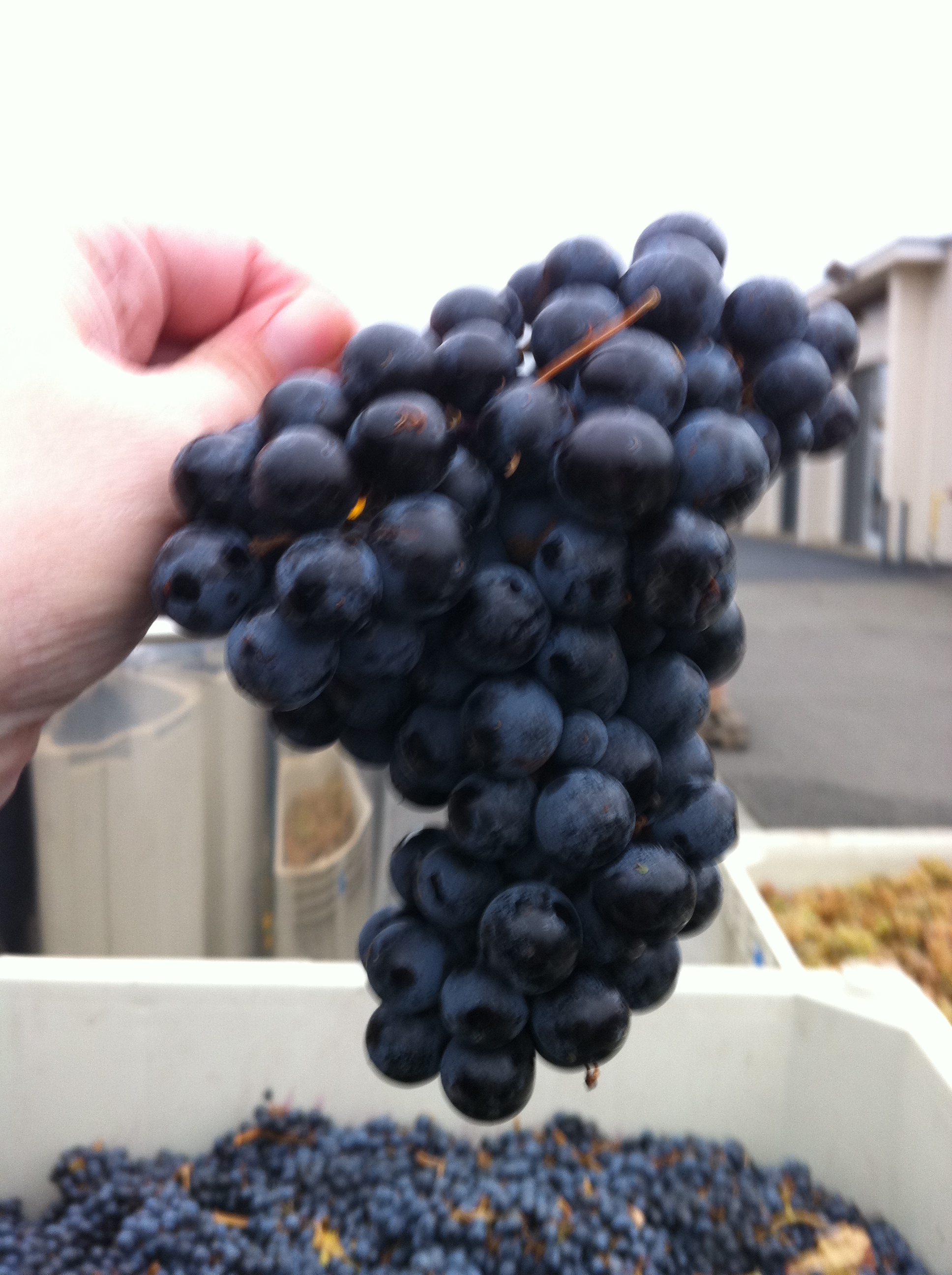
🍇 Carménère
Also known as: Grande VidureAbout Carménère
Carménère is a Bordeaux variety that virtually disappeared from France after phylloxera but was rediscovered in Chile in 1994, where it had been confused with Merlot for over a century. Today, Chile has made Carménère its signature grape.
The late-ripening grape requires significant hang time to shed its intensely herbaceous character, developing rich, savory flavors when fully ripe. When underripe, it can be aggressively green; when ripe, it offers a unique combination of red fruit, spice, and herbal complexity.
Chilean Carménère from Colchagua, Maipo, and Cachapoal Valleys produces the finest examples, with ripe fruit balanced by characteristic green notes that many consider a virtue rather than a fault. The grape is beginning to be planted in other warm regions.
Wine Colour & Appearance
Typical colour: Deep ruby to dark purple
Dense and saturated with distinctive red-brick or garnet rim even when young. Often confused with Merlot visually.
Colour Variations by Region
Wine Characteristics
Chilean Carménère typically falls within this range, though examples from France may be slightly lower. Alcohol levels can vary based on vintage and winemaking style.
Aroma & Flavour Profile Le Nez du Vin Reference →
Aromas (Nose) [Le Nez aroma]
- Green bell pepper green bell pepper#30
- Red fruits
- Coffee coffee#52
- Dark chocolate dark chocolate#53
- Smoke
- Herbs
- Spices
Flavours (Palate)
- Red and black fruits
- Herbal notes
- Soft tannins
- Savory spice
- Smooth texture
The Nose
Carménère wines offer a captivating aromatic profile, initially bursting with ripe red and black fruits like blackberry and cherry. These primary notes are beautifully interwoven with a distinctive herbaceousness – a signature bell pepper aroma – alongside secondary hints of black pepper and subtle spice. With age, tertiary notes of tobacco and earthy undertones emerge, adding complexity and depth to this uniquely Chilean varietal.
The Palate
Carménère wines present a full-bodied experience with a deep ruby color and flavors of ripe black cherry and plum, often accompanied by a distinctive herbaceousness reminiscent of green bell pepper. These wines are characterized by supple, expressive tannins and moderate acidity, with mature examples developing savory notes of earth, leather, and even eucalyptus. Overall, Carménère offers a unique profile balancing dark fruit, savory spice, and a velvety texture.
Tannins
Similar Grapes & Lateral Confusion
These grapes are commonly confused with Carménère in blind tasting. Use the buttons to switch between the default teaching order and alphabetical order.
Cabernet Sauvignon
Why confused: Both have green bell pepper notes and dark colour. Both can show green pepper and dark colour.
Carménère: Carménère lacks the cassis note of Cab Sauv. Carménère has softer tannins and more overt herbaceousness.
Merlot
Why confused: Both can be plush, dark-fruited and medium- to full-bodied, especially in Chilean contexts.
Malbec
Why confused: Both South American specialities with dark fruit.
Cabernet Franc
Why confused: Both have herbaceous, bell pepper character. Both have herbaceous character.
Carménère: Carménère is more intensely green/herbal. Cab Franc has more red fruit and violet notes.
Blind Tasting Tips
Colour: Deep ruby with hints of garnet.
Key markers: Green bell pepper/capsicum is the signature – more intensely herbal than Cabernet Franc. Combination of red fruit with strong vegetal notes.
Structure: Medium body with medium, soft tannins. Smoother than Cabernet Sauvignon despite the green notes.
Common confusions: Cabernet Franc (less intensely green), Merlot (no green pepper), underripe Cabernet Sauvignon.
Viticulture
Grape Morphology
Winemaking Notes
Blending Partners
Balances well with Carménère's characteristics
Common in: Chile, Bordeaux
Balances well with Carménère's characteristics; adds plummy notes
Common in: Chile, Bordeaux
Adds color and structure, often 10-15% blend
Common in: Chile
Historically blended as one of the Bordeaux varieties
Common in: Bordeaux
Historically blended as one of the Bordeaux varieties
Common in: Bordeaux
Notable Regions
Legal Classifications
Appellations and wine regions where Carménère is permitted or required:
Originally a Bordeaux variety, now used in blends.
Carménère is considered Chile's 'signature' grape.
Vintage History
Notable vintages for Carménère:
Food Pairings
Parentage & Genetics
Parents: Cabernet Franc × Gros Cabernet
Clones
Considered a 'benchmark' clone, known for good vigor, moderate yield, and good color. Exhibits classic Carménère characteristics.
Early budding and ripening, potentially susceptible to spring frosts. Produces wines with good aromatic intensity.
Widely planted in Chile, known for reliable production and good adaptation to the local climate. Often used as a 'workhorse' clone.
Selected for its consistent fruit set and moderate vigor. Produces wines with good structure and aging potential.
Material sourced from French vines, maintained for research and propagation. Characteristics vary depending on the original source material.
Bibliography
Books and articles about Carménère:
A foundational paper detailing the history and rediscovery of Carménère.
Comprehensive coverage of Carménère, including synonyms, genetics, and viticultural characteristics.
Concise overview of Carménère within a broader wine context.
Details sensory profiles of Carménère wines from various Chilean DOs.
Useful for current pricing, regional distribution, and basic information.
Confirms the genetic link between Chilean Carménère and the Bordeaux variety.
A good overview of Carménère's history and current status.