← Back
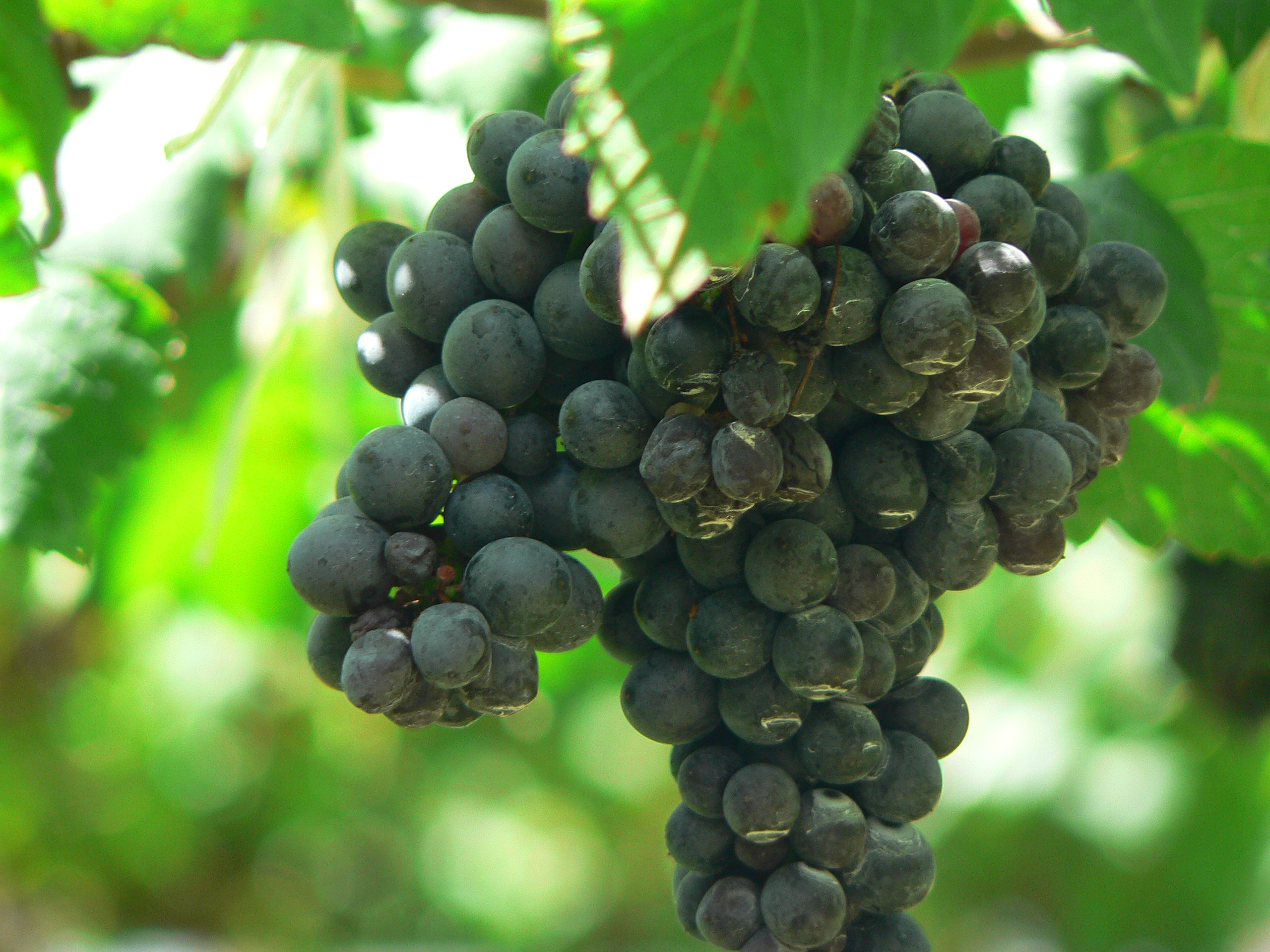
Syrah grape bunch

🍇 Syrah

Also known as: Shiraz (Australia), Hermitage
Pronunciation: peh-TEE sih-RAH /sɪˈrɑː/ , /ˈsiːrə/
Red Origin: Northern Rhône, France

About Syrah

Syrah (or Shiraz in Australia and South Africa) is a noble grape that produces powerful, age-worthy wines. Despite legends linking it to the Persian city of Shiraz, DNA analysis proved it's a natural cross between two obscure French varieties, Dureza and Mondeuse Blanche, from the Rhône region.

In its Northern Rhône homeland, Syrah produces structured, elegant wines with notable pepper and floral notes in appellations like Côte-Rôtie and Hermitage. Australian Shiraz, particularly from the Barossa Valley, tends toward a riper, more opulent style with chocolate, licorice, and eucalyptus.

The grape is also a key component in Southern Rhône and GSM (Grenache-Syrah-Mourvèdre) blends. Its thick skin provides deep colour and firm tannins, while its moderate acidity ensures good structure and aging potential.

Wine Colour & Appearance

Typical colour: Deep purple to inky black

Among the darkest red varieties. Shows intense purple-black to inky hues in youth, developing garnet and brown tones with significant age.

Colour Variations by Region

Northern Rhône (Hermitage): Dense purple-black
Barossa Valley: Inky purple, almost opaque
Côtes du Rhône: Deep ruby-purple
Intensity Deep to very deep - often nearly opaque in the core
Clarity Brilliant - very clear despite the deep colour
Viscosity High - thick, slow-moving tears indicating substantial body and extract

Wine Characteristics

Body
Full
Tannin
Medium high
Acidity
Medium
Sweetness
Dry
Alcohol
13.5–15.5%

Australian Shiraz tends to be higher in alcohol (up to 15.5%) than Syrah from other regions. Cooler climate Syrah is typically lighter in alcohol.

Tannins

Medium-high Tannins
Texture & Feel Ripe and supple with a chewy quality. More rounded than Cabernet but still substantial. Can have a slightly grainy texture.
Where You Feel Them Mid-palate to back of mouth, with lingering grip
Ageing Potential Good - Northern Rhône ages 15-25+ years, New World varies

Aroma & Flavour Profile Le Nez du Vin Reference →

Aromas (Nose) [Le Nez aroma]

  • Black pepper
  • Blackberry [M17 blackberry]
  • Blueberry [M16 bilberry (blueberry)]
  • Violet [M29 violet]
  • Smoked meat/bacon
  • Licorice
  • Olive tapenade
  • Eucalyptus (warm climate)

Flavours (Palate)

  • Dark fruits
  • Peppery spice
  • Firm tannins
  • Savory/meaty notes
  • Full body

The Nose

Syrah wines offer a complex aromatic experience, beginning with vibrant primary notes of blackberry, blueberry, and often a floral perfume. As the wine develops, secondary aromas of vanilla, spice, and even yeasty notes from fermentation emerge, layered with tertiary hints of leather, smoked meat, and earthy undertones like forest floor with age. The overall impression is a powerful, savory profile balanced by dark fruit and a distinctive peppery spice.

The Palate

Syrah wines are known for their full body and intensely concentrated flavors of dark fruits like blackberry and blueberry, often accompanied by savory notes of black pepper and spice. These wines typically exhibit firm, noticeable tannins that provide structure, balanced by a moderate acidity. The palate experience is often described as “front-loaded,” delivering a powerful initial impact that finishes with a lingering peppery warmth.

Viticulture

Optimal Temperature:
Average growing season temperature of 16-21°C (61-70°F).
Overall:
Syrah is adaptable but thrives in warm, sunny climates with significant diurnal temperature variation (warm days, cool nights). This helps retain acidity and develop complex aromas.
Rainfall:
Moderate rainfall (600-900mm/year) is ideal, particularly during the growing season. Excessive rainfall can lead to fungal diseases. Drought stress can be tolerated, but can reduce yield.
Regions:
Rhône Valley (France), Barossa Valley (Australia), Washington State (USA), California (USA), South Africa
Sun Exposure:
Full sun exposure is crucial for proper ripening and color development.

Grape Morphology

Skin Thickness
Medium
Berry Size
Medium
Bunch Tightness
Medium
Botrytis Susceptibility
Medium

Winemaking Notes

Oak Affinity
High
Oxidation Tendency
Moderate
MLC Typical
Yes
Ageing Potential
10-20 years

Blending Partners

Grenache — Traditional partner

Adds sweetness, body, and red fruit character; softens Syrah's tannins.

Common in: Southern Rhône

Mourvèdre — Traditional partner

Contributes structure, dark fruit, and savory notes; enhances aging potential.

Common in: Southern Rhône

Cinsault — Secondary partner

Adds floral aromas, freshness, and a lighter body.

Common in: Southern Rhône

Carignan — Secondary partner

Provides color, acidity, and rustic character.

Common in: Southern Rhône

Notable Regions

Rhône Valley, France The spiritual home of Syrah, particularly the Northern Rhône (Côte-Rôtie, Hermitage, Saint-Joseph, Crozes-Hermitage). Known for intensely aromatic, peppery, and floral wines with dark fruit.
Barossa Valley, South Australia Produces powerful, full-bodied Syrah (often labeled Shiraz) with flavors of blackberry, plum, chocolate, and spice. Old vine Shiraz is particularly prized.
Hunter Valley, New South Wales, Australia Known for elegant, medium-bodied Shiraz with floral and peppery notes. Often exhibits a savory character.
Washington State, USA (Columbia Valley) Growing in popularity, Washington State Syrah offers a range of styles, from peppery and lean to rich and full-bodied. Often displays notes of blackberry, olive, and spice.
Cornas, France (Northern Rhône) A single appellation within the Northern Rhône, Cornas is known for intensely concentrated, powerfully structured Syrah with notes of black pepper, olive, and blackberry.
McLaren Vale, South Australia Produces rich, full-bodied Shiraz with flavors of dark chocolate, plum, and spice. Can be quite opulent and powerful.
Swartland, South Africa Emerging region for Syrah, producing wines with a rustic, savory character, often with notes of black olive, spice, and earth.

Region Map

Old World vs New World

Understanding regional style differences helps identify origin in blind tasting.

🏰 Old World (Europe)

  • Black pepper is signature aroma
  • Smoky, bacon fat, savoury notes
  • Floral (violet) in Côte-Rôtie
  • Moderate alcohol, firm structure
  • Gamey, meaty with age
  • Labelled as "Syrah"

🌎 New World (Americas, Australasia)

  • Dense, jammy blackberry/plum fruit
  • Chocolate, mocha, eucalyptus (Australia)
  • Higher alcohol (14.5%+)
  • Softer tannins, more approachable
  • Sweet spice over savoury
  • Often labelled as "Shiraz"

Key Tells for Blind Tasting

Black pepper and savoury/meaty notes = Northern Rhône. Jammy fruit, chocolate, eucalyptus, and high alcohol = Australia. The name "Shiraz" on a label usually indicates New World style.

Similar Grapes & Lateral Confusion

These grapes are commonly confused with Syrah in blind tasting. Here's how to tell them apart:

Mourvèdre

Why confused: Both dark, full-bodied Southern Rhône varieties. Both Southern Rhône varieties; often blended.

How to distinguish: Syrah: Syrah has distinctive BLACK PEPPER (key tell!). Mourvèdre is more gamey/barnyard. Syrah has violet florals; Mourvèdre is more rustic.
Mourvèdre: Mourvèdre is more GAMEY and barnyard-like. Syrah has distinctive black pepper and violet. Mourvèdre is more rustic.
Compare side by side →

Malbec

Why confused: Both inky, full-bodied with dark fruit. Both dark, full-bodied with similar intensity.

How to distinguish: Syrah: Syrah has pepper and smoked meat notes. Malbec is plummier with violet florals and softer tannins.
Malbec: Syrah has black pepper (diagnostic). Malbec has more plum/violet and softer tannins despite its dark colour.
Compare side by side →

Zinfandel/Primitivo

Why confused: Both full-bodied with bramble fruit and pepper.

How to distinguish: Zinfandel/Primitivo: Zinfandel has JAMMY, almost sweet-seeming fruit and very high alcohol. Syrah is more savoury with smoked meat notes.
Compare side by side →

Blind Tasting Tips

Colour: Deep, inky purple-black. Often one of the darkest wines in a flight.

Key markers: Black pepper is the signature aroma – this is highly diagnostic. Look for smoky, meaty, savory notes. Violet florals in cooler climates.

Cool vs warm: Northern Rhône = pepper, herbs, violet, more restrained. Australia = ripe fruit, chocolate, eucalyptus, more opulent.

Common confusions: Mourvèdre (more gamey/earthy), Petite Sirah (even more tannic), Malbec (different fruit profile).

Vintage History

Notable vintages for Syrah:

2023
Concentrated dark fruit flavors (blackberry, plum). Full-bodied with firm tannins and a long finish. Notes of black pepper and olive. Good aging potential. Warm and dry summer with moderate heat spikes. Early budburst and veraison. Water stress was a concern in late summer, mitigated by careful vineyard management. Promising vintage, yielding wines with intensity and structure.
2022
Elegant and aromatic. Red fruit profile (raspberry, cherry) with floral notes (violet). Medium-bodied with silky tannins. Bright acidity. Cooler than average spring, leading to delayed budburst. Consistent temperatures throughout the summer. Healthy canopy development. Classic vintage, producing wines with finesse and balance.
2021
Intense and concentrated due to low yields. Dark fruit (blackberry, cassis) with hints of spice. Full-bodied with powerful tannins. Needs time to integrate. Significant frost in spring caused yield reduction. Warm, dry summer. Harvested early to preserve acidity. Challenging vintage due to frost, but resulting wines are concentrated and age-worthy.
2020
Rich and opulent. Layers of dark fruit (blackberry, plum, blueberry) with notes of chocolate and vanilla. Full-bodied with velvety tannins. Long, lingering finish. Ideal growing conditions: moderate temperatures, consistent rainfall, and ample sunshine. Excellent fruit set and canopy health. Exceptional vintage, producing wines of exceptional quality and complexity.
2019
Ripe and juicy with a generous fruit profile. Black cherry, blackberry, and a touch of spice. Medium to full-bodied with smooth tannins. Warm and dry growing season, with a heatwave in late July. Careful canopy management was crucial to protect the fruit. Good vintage, delivering approachable and flavorful wines.
2018
Structured and savory. Dark fruit (plum, black currant) with earthy notes and hints of smoke. Medium-bodied with firm tannins. Good acidity. Relatively cool and wet spring, followed by a warm and dry summer. Some disease pressure early in the season. Solid vintage, producing wines with good structure and aging potential.

Food Pairings

🌱 Plant-Based & Vegetarian
Hard aged cheeses
🍖 Classic Pairings
Grilled lamb BBQ ribs Game meats Peppered steak Cassoulet

Parentage & Genetics

Parents: Dureza × Mondeuse Blanche

Clones

Clone 165

Considered a 'benchmark' clone, known for producing wines with intense color, floral aromas (violet, blackberry), and good structure. Moderate vigor.

Clone 82

Early ripening, high sugar accumulation, produces wines with a powerful, peppery character. Can be prone to overripening in warmer climates.

Clone 174

Known for producing wines with a rustic, savory character, often with notes of black olive and smoked meat. Good color and tannin structure.

Clone 382

Vigorous, high yielding, produces wines with good color and moderate flavor intensity. Often used for blending.

Shiraz Clone FV1

Early maturing, high yielding, produces wines with vibrant fruit flavors (plum, blackberry) and soft tannins.

Bibliography

Books and articles about Syrah:

The World Atlas of Wine by Hugh Johnson & Jancis Robinson (Mitchell Beazley, 2019) ISBN: 978-1844714962

Comprehensive overview of all major wine regions, with good coverage of Syrah/Shiraz.

Wine Folly: Magnum Edition: The Master Guide by Madeline Puckette & Justin Hammack (Folly Productions, 2018) ISBN: 978-0996389924

Visually-oriented guide; helpful for understanding Syrah's characteristics and regions.

Understanding Wine Technology: The Science of Wine Explained by David Bird (DBQA Publishing, 2010) ISBN: 978-0956353912

Provides technical details on viticulture and winemaking, relevant to understanding Syrah's production.

The Rhône: Wines from the South of France by Matthew Jukes (Mitchell Beazley, 2013) ISBN: 978-1844717597

Detailed guide to the Northern and Southern Rhône, the heartland of Syrah.

Northern Rhône: The Vineyards of Northern Rhône by Jasper Morris (Berry Bros. & Rudd, 2016) ISBN: 978-1908266216

In-depth exploration of the Northern Rhône's appellations and producers.

Wine-Searcher

Price comparison, wine ratings, and information on Syrah/Shiraz wines.

Wine Folly

Informative article on Syrah, covering characteristics, regions, and food pairings.

GuildSomm

Professional wine education resource; search for Syrah-related articles and study materials (requires membership for full access).

"The Role of Terroir in the Expression of Syrah Aroma" by Jackson, D. & Lombard, L. in American Journal of Enology and Viticulture (2003) DOI ↗

Scientific research on the impact of terroir on Syrah's aroma profile.

← Back to Grape Encyclopaedia

Wines Featuring Syrah

Wines from our tasting directory that feature this grape:

Dandelion Vineyards Lionheart of the Barossa Shiraz
Dandelion Vineyards
Barossa Valley, South Australia
Crozes-Hermitage Les trois chênes
Emmanuel Darnaud
Crozes-Hermitage, Northern Rhône
Domaine de l'Espigouette Plan de Dieu
Domaine de l'Espigouette
Côtes du Rhône Villages, France
Page created: 27 January 2026 | Last updated: 29 January 2026

Grape Page Help

Navigating the Page

Each grape page is organised into sections that you can access quickly:

  • Table of Contents — Click any link at the top to jump directly to that section
  • ← Back button — Returns you to the Grape Encyclopaedia with your filters preserved
  • ↑ Back to top — Appears when you scroll down; click to return to the top
  • Breadcrumbs — Shows your location (Home → Grape Encyclopaedia → Grape Name)

Wine Colour

This section shows the typical appearance of wines made from this grape:

  • Colour swatches — Visual examples from young to aged expressions
  • Intensity — How deep or pale the colour typically appears
  • Clarity — Whether wines are typically clear, hazy, or have sediment
  • Viscosity — The "legs" or "tears" you see on the glass

Characteristics

Key structural elements that define the wine:

  • Acidity — How tart or fresh the wine tastes (low to high)
  • Body — The weight and texture in your mouth (light to full)
  • Alcohol — Typical alcohol range, sometimes with regional variations
  • Sweetness — Dry, off-dry, or sweet (where applicable)

Tannins (Red Wines)

For red wines, this section describes the tannin profile:

  • Level — Low, medium, or high tannin content
  • Texture — Velvety, silky, grippy, chalky, or sandy
  • Location — Where you feel them (front teeth, gums, cheeks, back of mouth)
  • Ageing potential — How tannins evolve over time

Aroma and Flavour Profile

Aromas (nose) and flavours (palate) are listed separately:

  • The Nose — What you smell before tasting
  • The Palate — What you taste and feel in your mouth
  • Le Nez numbers — References like [M15] correspond to Le Nez du Vin aroma kit bottles (M = Masterkit, O = Oak, F = Faults)
Tip: Le Nez Reference Click the "Le Nez du Vin Reference" link in the Aroma section header to see the full aroma reference chart.

Viticulture

Growing conditions this grape prefers:

  • Climate — Cool, moderate, or warm climate preferences
  • Soil — Preferred soil types (limestone, clay, gravel, etc.)
  • Vigour — How vigorously the vine grows
  • Challenges — Common growing difficulties (frost, rot, disease)

Notable Regions

Key wine regions where this grape excels:

  • Map thumbnails — Small preview maps for each region (where available)
  • Click to expand — Opens a larger interactive map
  • Wine region boundaries — Highlighted in wine-red where data is available
  • Zoom and pan — Explore the map interactively
  • Reset View — Returns to the original zoom level

Old World vs New World

Compares how the grape is expressed in different regions:

  • Old World — Traditional European expressions (France, Italy, Spain, etc.)
  • New World — Modern expressions (Australia, USA, Chile, etc.)
  • Differences in style, ripeness, oak use, and flavour profiles

Similar Grapes

Grapes that are often confused with this variety in blind tasting:

  • Why confused — What characteristics they share
  • How to distinguish — Key differences to look for

Blind Tasting Tips

Practical guidance for identifying this grape when tasting blind:

  • Key markers to look for
  • Common pitfalls and look-alikes
  • Diagnostic characteristics that set it apart

Food Pairings

Suggested foods that complement wines from this grape:

  • Vegan/Vegetarian — Plant-based options listed first, marked (ve) for vegan
  • Classic pairings — Traditional meat and seafood matches