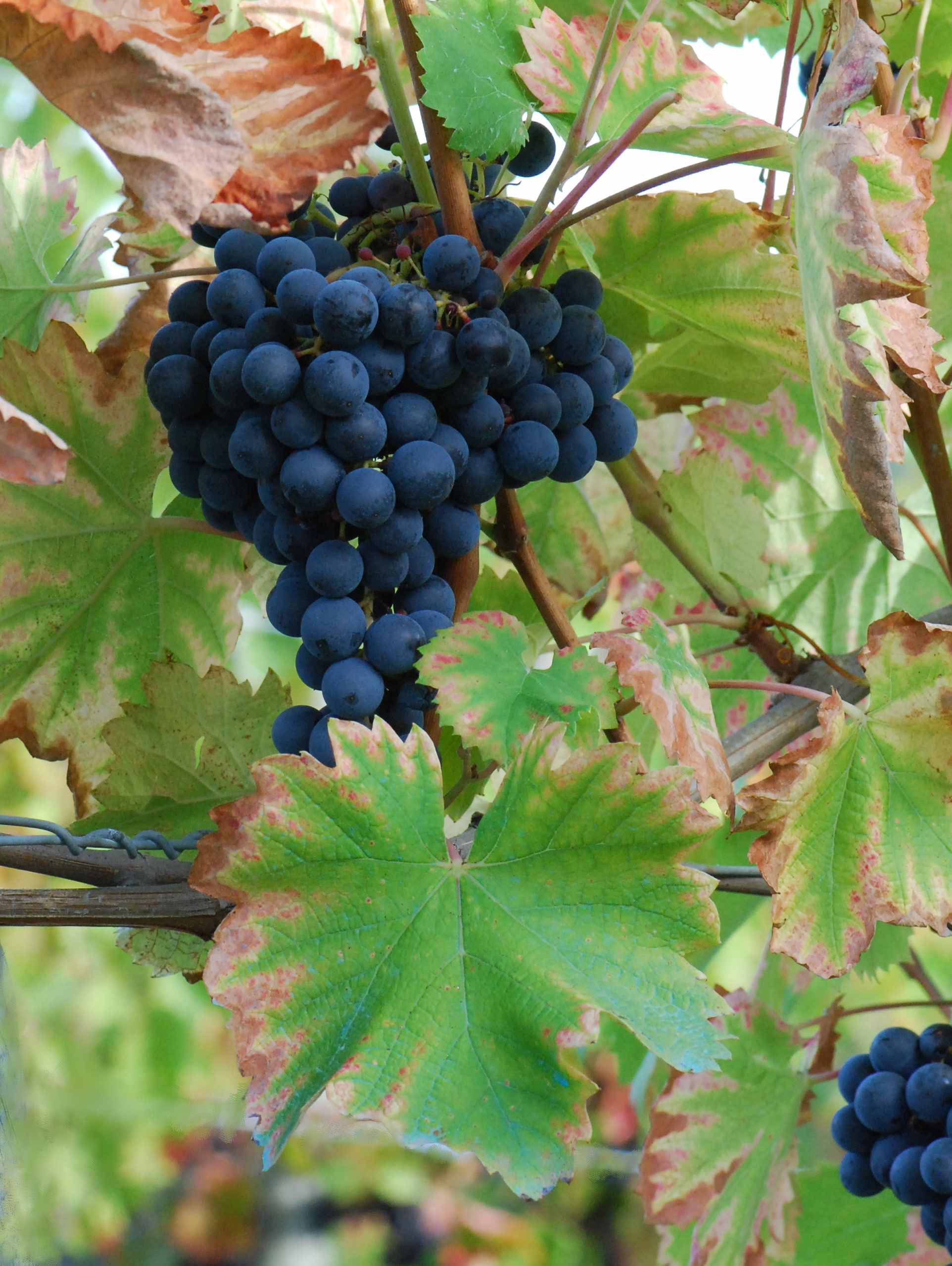
🍇 Mourvèdre
Also known as: Monastrell (Spain), MataroAbout Mourvèdre
Mourvèdre is a late-ripening, heat-loving grape that produces dense, tannic wines with wild, gamey character. Originally from Spain (as Monastrell), it became a key player in Southern Rhône blends and the essential "M" in GSM (Grenache-Syrah-Mourvèdre).
The grape requires significant heat to ripen fully and is best suited to Mediterranean climates. In France's Bandol appellation, it must comprise at least 50% of the blend and produces some of the most age-worthy rosés and powerful reds in Provence.
Mourvèdre's thick skin provides deep colour and strong tannins, while its high alcohol potential and savory, meaty character add complexity to blends. It can be challenging as a single varietal, often benefiting from the freshness of Grenache or the spice of Syrah.
Wine Colour & Appearance
Typical colour: Deep ruby to purple-black
Naturally deeply pigmented. Retains colour well with age, making it valuable in blends.
Colour Variations by Region
Wine Characteristics
Wines from the Rhône blend (Mourvèdre, Syrah, Grenache) and Spanish Monastrell can exceed 15% ABV.
Aroma & Flavour Profile Le Nez du Vin Reference →
Aromas (Nose) [Le Nez aroma]
- Blackberry blackberry#17
- Game meat
- Leather leather#45
- Black pepper
- Herbs
- Barnyard
- Smoke
Flavours (Palate)
- Dark fruits
- Savory/meaty
- Firm tannins
- Earthy complexity
- Long finish
The Nose
Mourvèdre wines initially burst with ripe, dark fruit – think blackberry and plum – interwoven with savory notes of black pepper and licorice. As the wine ages, secondary aromas of dried herbs and leather emerge, eventually developing into complex tertiary notes of game, musk, and a distinctly earthy character reminiscent of venison. This aromatic profile creates a wine that is both powerfully fruity and intriguingly savory, offering a wild, rustic appeal.
The Palate
Mourvèdre produces full-bodied red wines with a robust and often meaty character. Expect a dark fruit profile of blackberry and plum layered with savory notes of black pepper, herbs like thyme, and earthy undertones—sometimes even a leathery quality—supported by firm tannins and moderate acidity. These wines are known for their intensity and complexity, offering a powerful, concentrated experience on the palate.
Tannins
Similar Grapes & Lateral Confusion
These grapes are commonly confused with Mourvèdre in blind tasting. Use the buttons to switch between the default teaching order and alphabetical order.
Syrah
Why confused: Both can be dark, full-bodied, savoury southern reds, especially in Rhône-influenced contexts.
Grenache
Why confused: GSM partners with similar origins.
Blind Tasting Tips
Colour: Deep, opaque purple-black.
Key markers: Gamey, meaty, almost barnyard-like character. More savory than fruity. Leather and herbs. Very rustic and wild.
Structure: Full body with high, grippy tannins. Can be quite austere and tannic when young.
Common confusions: Syrah (more pepper, less gamey), Bandol-style indicates Mourvèdre-dominance.
Viticulture
Grape Morphology
Winemaking Notes
Blending Partners
Adds fruit and softens Mourvèdre's tannins
Common in: Rhône, Châteauneuf-du-Pape
Contributes color, structure, and spice
Common in: Rhône, Châteauneuf-du-Pape
Adds color and acidity
Common in: Rhône, Provence
Provides floral aromas and lightness
Common in: Rhône, Provence
Adds acidity and red fruit character
Adds aromatic complexity and structure
Adds structure, tannin, and dark fruit flavors
Adds dark fruit and acidity
Adds bright fruit and acidity
Notable Regions
Legal Classifications
Appellations and wine regions where Mourvèdre is permitted or required:
Found in the Hérault sub-appellation of Nébian.
Used in blends, known for deep, full-bodied wines.
Represent 20% of Italian production.
Minimum 50% of the blend, often significantly more.
Vintage History
Notable vintages for Mourvèdre:
Food Pairings
Parentage & Genetics
Parents: Grenache Noir × Graciano
Clones
Considered a high-quality clone, known for producing wines with good color, structure, and aging potential. Moderate yields.
One of the oldest and most established clones. Produces wines with intense color, spice, and gamey notes. Can be vigorous.
Known for its early ripening and ability to thrive in warmer climates. Produces wines with ripe fruit and softer tannins.
Several clones exist in Spain, generally adapted to drought conditions. Often produce high tannin wines with dark fruit flavors. Variable yields.
Bibliography
Books and articles about Mourvèdre:
Wines Featuring Mourvèdre
Wines from our tasting directory that feature this grape: