← Back
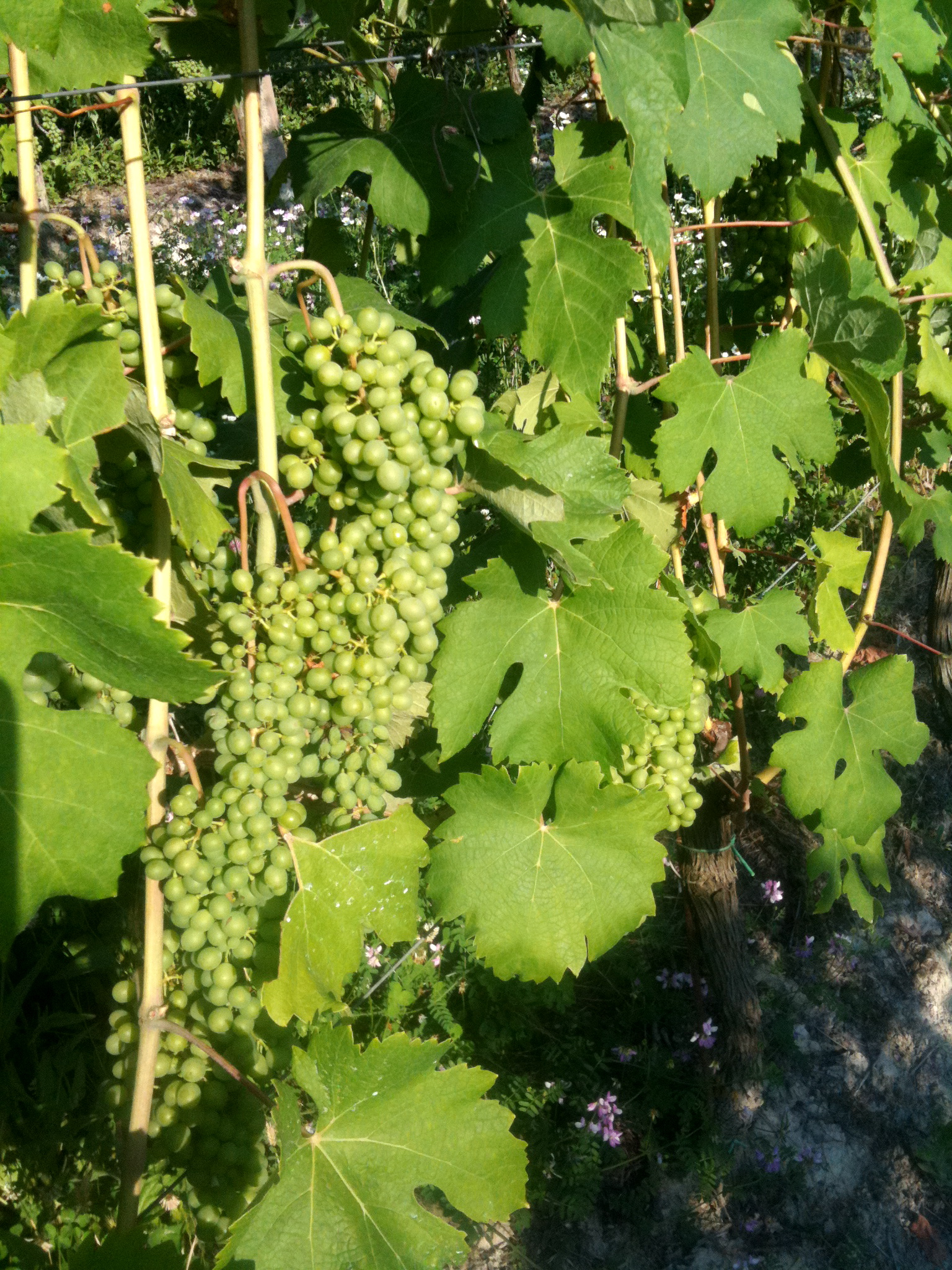
Muscat grape bunch

🍇 Muscat

Also known as: Moscato, Muscat Blanc à Petits Grains, Moscatel, Muskateller
Pronunciation: ˈmʌs.kæt greɪp /ˈmʌskæt/
White Origin: Mediterranean, Greece

About Muscat

Muscat is actually a family of over 200 grape varieties, all sharing the distinctive grapey, floral character that makes Muscat one of the most recognizable wine aromatics. It's one of the oldest cultivated grapes, possibly the ancestor of most modern varieties.

The finest variety, Muscat Blanc à Petits Grains (Muscat à Petits Grains), produces the best wines, from dry Alsace Muscats to sweet Muscats de Beaumes-de-Venise and fortified Rutherglen Muscats. Italy's Moscato d'Asti, lightly sparkling and sweet, has become hugely popular.

Uniquely among wine grapes, Muscat wines actually taste like grapes – or at least like grape juice. Its intense aromatics of orange blossom, rose, and exotic spices make it instantly identifiable.

Wine Colour & Appearance

Typical colour: Pale gold to deep amber

Massive variation across styles. Colour indicates age and production method - from water-white Moscato to mahogany Rutherglen.

Colour Variations by Region

Moscato d'Asti: Very pale, almost water-white
Muscat de Beaumes-de-Venise: Golden
Rutherglen Muscat: Deep mahogany to tawny-brown
Intensity Pale to very deep (massive range by style)
Clarity Brilliant (especially sparkling styles)
Viscosity Low (Moscato) to very high (fortified)

Wine Characteristics

Body
Light
Acidity
Medium
Sweetness
Variable
Alcohol
11.5–15%

Alcohol content varies significantly by style and region. Lighter, fresher Muscats (like some from Rivesaltes) can be below 12%, while fortified or traditionally made Muscats (like those from Saint-Jean-de-Minervois or Rutherglen) often exceed 14% ABV.

Aroma & Flavour Profile Le Nez du Vin Reference →

Aromas (Nose) [Le Nez aroma]

  • Grape
  • Orange blossom
  • Rose [M28 rose]
  • Lychee [M06 lychee]
  • Honey [M27 honey]
  • Spice
  • Musk [M46 musk]

Flavours (Palate)

  • Fresh grape
  • Floral notes
  • Sweet or dry
  • Perfumed
  • Light to medium body

The Nose

Muscat wines immediately captivate with intensely floral aromas of orange blossom, jasmine, and sometimes honeysuckle, representing their primary fragrance. These give way to ripe fruit notes like peach, apricot, and citrus, forming the wine’s core aromatic profile, while hints of tropical fruit and a subtle honeyed sweetness can develop with age, adding complexity as secondary and tertiary characteristics. The overall impression is powerfully fragrant, making Muscat instantly recognizable for its vibrant and perfumed bouquet.

The Palate

Muscat wines offer a delightfully aromatic experience, bursting with vibrant flavors of ripe peach, tangerine, and lychee, often interwoven with floral notes of orange blossom and rose petals. Typically light to medium-bodied with bright, lively acidity, these wines rarely exhibit noticeable tannins. Though often perceived as sweet due to their intense fruit and floral character, Muscats range from dry to off-dry, delivering a uniquely perfumed and refreshing palate.

Viticulture

Climate:
Warm to hot, Mediterranean. Benefits from dry summers and mild winters.
Soil:
Well-drained, fertile soils. Prefers calcareous or volcanic soils. Can adapt to a range of soil types.
Training Systems:
Suitable for various training systems, including single and double Guyot, cordon, and pergola.
Yield:
Moderate to high. Pruning is crucial to control vigor and maintain quality.
Flowering:
Early to mid-season
Best Regions:
France (Alsace, Beaumes-de-Venise), Italy (Moscato d'Asti), Spain, California, Australia
Budbreak:
Early
Disease Resistance:
Moderately susceptible to powdery mildew and downy mildew. Botrytis is a significant risk in humid conditions.
Maturity:
Late-ripening (late September - October in many regions). Susceptible to botrytis, so late harvest is often intentional for sweet wines.
Propagation:
Typically propagated by cuttings. Rootstock selection is important for adaptation to specific soil conditions.

Grape Morphology

Skin Thickness
Medium
Berry Size
Medium
Bunch Tightness
Medium
Botrytis Susceptibility
Medium

Winemaking Notes

Oak Affinity
Low
Oxidation Tendency
Moderate
MLC Typical
Rarely
Ageing Potential
drink young years

Blending Partners

Muscat Ottonel — Secondary partner

Often blended with Muscat Blanc à Petits Grains to create more complex wines.

Common in: Alsace

Muscat Blanc à Petits Grains — Secondary partner

Often blended with Muscat Ottonel to create more complex wines.

Common in: Alsace

Notable Regions

Muscat Governorate
Bausher
Mutrah
Seeb

Region Map

Similar Grapes & Lateral Confusion

These grapes are commonly confused with Muscat in blind tasting. Here's how to tell them apart:

Gewürztraminer

Why confused: Both intensely aromatic.

How to distinguish: Gewürztraminer: Muscat smells GRAPEY (unique). Gewürz has lychee/rose/Turkish delight. Gewürz has lower acidity.
Muscat: Muscat smells GRAPEY (unique – no other wine smells like grape juice!). Gewürz has lychee/rose.
Compare side by side →

Torrontés

Why confused: Torrontés is a Muscat cross with similar aromatics. Related grapes with similar floral aromatics.

How to distinguish: Muscat: Muscat is more grapey. Torrontés is more floral (rose petals). Torrontés is usually drier with more structure.
Torrontés: Torrontés is more floral (rose) and drier. Muscat is more grapey and often sweeter.
Compare side by side →

Blind Tasting Tips

Colour: Pale lemon (dry/young) to deep amber (fortified/aged).

Key markers: Grape aroma is unique and diagnostic – no other wine smells this grapey. Orange blossom florals. Perfumed and aromatic.

Structure: Usually light body. Style varies enormously from dry to very sweet, still to sparkling.

Common confusions: Gewürztraminer (lychee vs grape), Torrontés (similar aromatics).

Vintage History

Notable vintages for Muscat:

2023
Excellent concentration of sugars and aromatics. The cool autumn helped preserve acidity, but careful sorting was required to remove any affected fruit. Expect a floral and honeyed wine with good balance.
2022
Highly concentrated musts with intense apricot and orange blossom aromas. Acidity is slightly lower than usual, resulting in a richer, more opulent style. Early drinking is recommended.
2021
Classic Muscat aromas of lychee, rose petals, and grapefruit. Good acidity and balance. A versatile vintage suitable for both dry and sweet styles.
2020
A challenging vintage due to the wet spring, but the warm summer allowed for good ripening. The resulting wine is lighter in body with delicate floral aromas and crisp acidity. Best enjoyed young.
2019
Exceptional vintage. Perfect balance of sugar, acidity, and aromatics. The wine exhibits intense flavors of peach, honey, and orange zest. Excellent aging potential.

Food Pairings

🌱 Plant-Based & Vegetarian
Fresh fruitve Light dessertsve Aperitifve Spicy Asian cuisine (off-dry styles)ve Cheese course

Parentage & Genetics

Parents: Muscat à petits grains blancs × Mammolo

Clones

Muscat of Alexandria

One of the most widely planted Muscat varieties globally, used for both wine and raisin production. Highly aromatic.

Muscat Ottonel

Early and weak variety, adapted to clay-limestone terroirs. Not very sensitive to chlorosis.

Shine Muscat

Seedless table grape known for its high sugar levels and muscat aroma. Large berries and bunches.

Bibliography

Books and articles about Muscat:

The Oxford Companion to Wine by Jancis Robinson (Oxford University Press, 2015)
Aromatic Profile of Muscat of Alexandria Grapes and Wines
Oz Clarke's New Encyclopedia of Wine and Spirits by Oz Clarke (Pavilion Books, 2015)
Terroir Expression in Muscat Wines: A Case Study in the Roussillon Region
← Back to Grape Encyclopaedia
Page created: 27 January 2026 | Last updated: 30 January 2026

Grape Page Help

Navigating the Page

Each grape page is organised into sections that you can access quickly:

  • Table of Contents — Click any link at the top to jump directly to that section
  • ← Back button — Returns you to the Grape Encyclopaedia with your filters preserved
  • ↑ Back to top — Appears when you scroll down; click to return to the top
  • Breadcrumbs — Shows your location (Home → Grape Encyclopaedia → Grape Name)

Wine Colour

This section shows the typical appearance of wines made from this grape:

  • Colour swatches — Visual examples from young to aged expressions
  • Intensity — How deep or pale the colour typically appears
  • Clarity — Whether wines are typically clear, hazy, or have sediment
  • Viscosity — The "legs" or "tears" you see on the glass

Characteristics

Key structural elements that define the wine:

  • Acidity — How tart or fresh the wine tastes (low to high)
  • Body — The weight and texture in your mouth (light to full)
  • Alcohol — Typical alcohol range, sometimes with regional variations
  • Sweetness — Dry, off-dry, or sweet (where applicable)

Tannins (Red Wines)

For red wines, this section describes the tannin profile:

  • Level — Low, medium, or high tannin content
  • Texture — Velvety, silky, grippy, chalky, or sandy
  • Location — Where you feel them (front teeth, gums, cheeks, back of mouth)
  • Ageing potential — How tannins evolve over time

Aroma and Flavour Profile

Aromas (nose) and flavours (palate) are listed separately:

  • The Nose — What you smell before tasting
  • The Palate — What you taste and feel in your mouth
  • Le Nez numbers — References like [M15] correspond to Le Nez du Vin aroma kit bottles (M = Masterkit, O = Oak, F = Faults)
Tip: Le Nez Reference Click the "Le Nez du Vin Reference" link in the Aroma section header to see the full aroma reference chart.

Viticulture

Growing conditions this grape prefers:

  • Climate — Cool, moderate, or warm climate preferences
  • Soil — Preferred soil types (limestone, clay, gravel, etc.)
  • Vigour — How vigorously the vine grows
  • Challenges — Common growing difficulties (frost, rot, disease)

Notable Regions

Key wine regions where this grape excels:

  • Map thumbnails — Small preview maps for each region (where available)
  • Click to expand — Opens a larger interactive map
  • Wine region boundaries — Highlighted in wine-red where data is available
  • Zoom and pan — Explore the map interactively
  • Reset View — Returns to the original zoom level

Old World vs New World

Compares how the grape is expressed in different regions:

  • Old World — Traditional European expressions (France, Italy, Spain, etc.)
  • New World — Modern expressions (Australia, USA, Chile, etc.)
  • Differences in style, ripeness, oak use, and flavour profiles

Similar Grapes

Grapes that are often confused with this variety in blind tasting:

  • Why confused — What characteristics they share
  • How to distinguish — Key differences to look for

Blind Tasting Tips

Practical guidance for identifying this grape when tasting blind:

  • Key markers to look for
  • Common pitfalls and look-alikes
  • Diagnostic characteristics that set it apart

Food Pairings

Suggested foods that complement wines from this grape:

  • Vegan/Vegetarian — Plant-based options listed first, marked (ve) for vegan
  • Classic pairings — Traditional meat and seafood matches