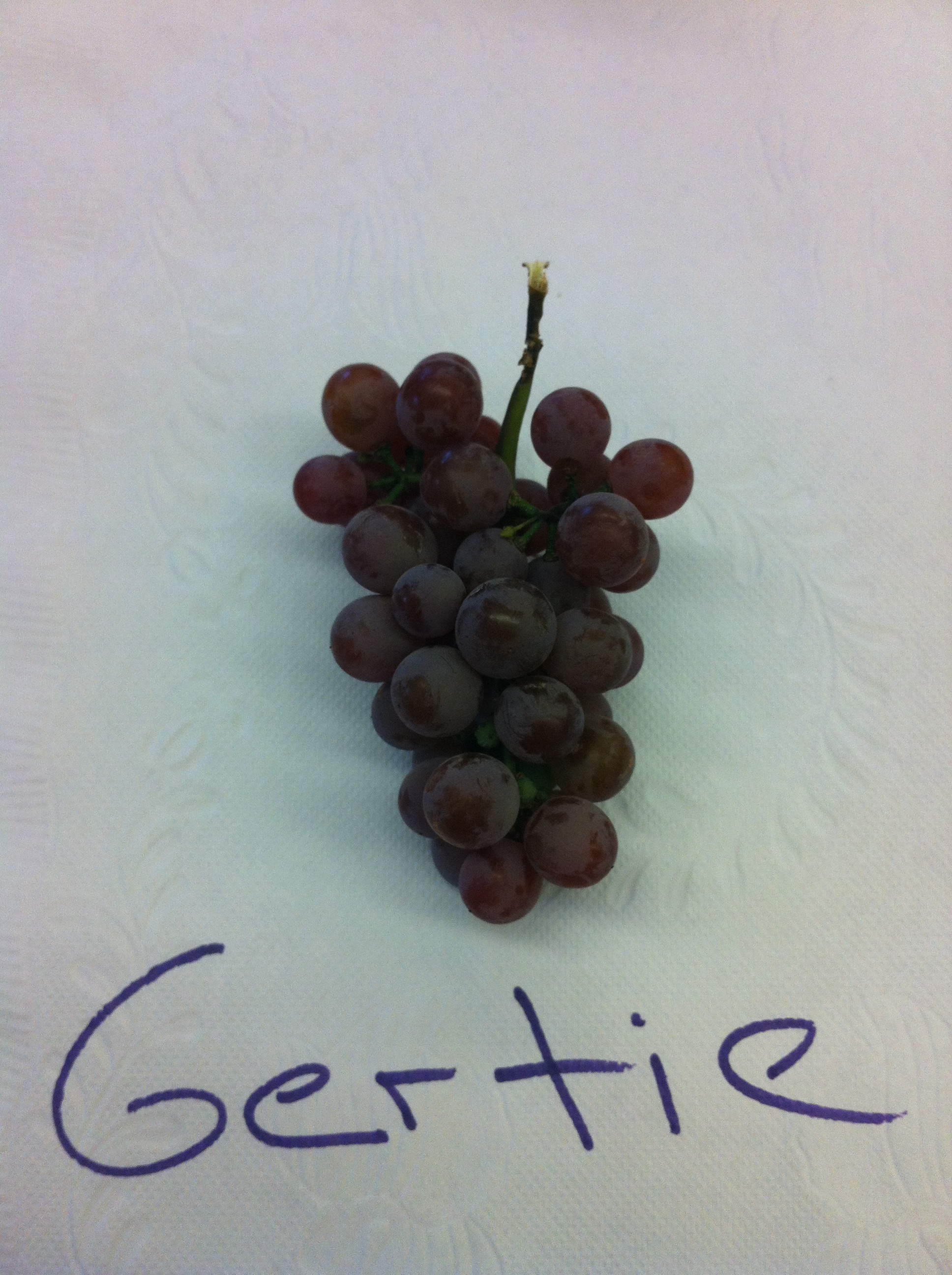
🍇 Gewürztraminer
Also known as: Gewürz, Traminer, Savagnin RoseAbout Gewürztraminer
Gewürztraminer is one of the most distinctive and polarizing white grapes, producing intensely aromatic wines that you can smell from across the room. The name means "spicy Traminer," referring to the Italian village of Tramin where it may have originated.
The grape produces deeply coloured wines (often golden) with low acidity and high alcohol, packed with exotic aromas of lychee, rose, ginger, and Turkish delight. It's a love-it-or-hate-it variety – many find it too perfumed and oily, while others adore its exotic opulence.
Alsace is Gewürztraminer's greatest home, producing both dry and sweet versions, including the legendary Vendange Tardive and Sélection de Grains Nobles dessert wines. The grape also thrives in Germany, Northern Italy, and cooler New World regions.
Wine Colour & Appearance
Typical colour: Deep gold to light copper
Naturally produces darker-coloured juice due to pink skin pigments. Distinctive golden-copper tones.
Colour Variations by Region
Wine Characteristics
Gewürztraminer often exhibits higher alcohol levels due to rapid ripening. Styles can vary, with some producers aiming for lower alcohol wines while maintaining varietal character.
Aroma & Flavour Profile Le Nez du Vin Reference →
Aromas (Nose) [Le Nez aroma]
- Lychee lychee#06
- Rose petals
- Ginger
- Turkish delight
- Tropical fruits
- Spices
- Musk musk#46
Flavours (Palate)
- Exotic fruits
- Floral notes
- Spicy warmth
- Rich, oily texture
- Low acidity
- Lingering finish
The Nose
Gewürztraminer immediately captivates with intensely aromatic notes of ripe lychee and fragrant rose petals, defining its uniquely floral and fruity character. Beyond these primary aromas, hints of ginger, orange blossom, and even a touch of honey emerge, adding complexity and a subtle spice. As the wine ages, nuanced secondary and tertiary notes of warm peach and delicate tropical fruits can develop, creating a richly layered and captivating sensory experience.
The Palate
Gewürztraminer offers a full-bodied and often slightly viscous palate, delivering a unique experience of ripe lychee, rose petals, and exotic spice. While typically off-dry to sweetly flavored, it maintains a balancing acidity that prevents it from feeling heavy, and notably lacks noticeable tannins. The overall impression is one of aromatic intensity and a lingering, spicy finish.
Similar Grapes & Lateral Confusion
These grapes are commonly confused with Gewürztraminer in blind tasting. Use the buttons to switch between the default teaching order and alphabetical order.
Pinot Grigio
Why confused: Richer Pinot Gris can overlap with Alsace Gewürztraminer on colour, body and a slight sweetness impression.
Riesling
Why confused: Both Germanic/Alsatian aromatic varieties.
Viognier
Why confused: Both aromatic, full-bodied, low-acid whites.
Viognier: Viognier has APRICOT/PEACH (stone fruit). Gewürz has lychee. Viognier is less intensely perfumed.
Muscat
Why confused: Both intensely aromatic.
Muscat: Muscat smells GRAPEY (unique – no other wine smells like grape juice!). Gewürz has lychee/rose.
Torrontés
Why confused: Both floral, aromatic whites. Both highly aromatic whites.
Torrontés: Torrontés has HIGHER acidity and is drier. Gewürz has lychee and is richer/oilier. Torrontés has rose; Gewürz has Turkish delight.
Blind Tasting Tips
Colour: Deep gold – one of the darkest white wines.
Key markers: Lychee is the signature aroma – highly diagnostic. Rose petals and exotic spice. Very intense aromatics. Almost oily texture.
Structure: Full body with LOW acidity. High alcohol. Can feel slightly bitter on the finish (phenolic).
Common confusions: Viognier (stone fruits vs lychee), Muscat (more grapey), Torrontés (higher acidity).
Viticulture
Grape Morphology
Winemaking Notes
Blending Partners
Adds acidity and structure to balance Gewürztraminer's richness and aromatics.
Provides acidity, freshness, and can temper Gewürztraminer's intensity, creating a more balanced wine.
Offers a neutral base to highlight Gewürztraminer's aromatics while adding some body.
Can contribute acidity and freshness, though less commonly used than Pinot Gris or Riesling.
Notable Regions
Legal Classifications
Appellations and wine regions where Gewürztraminer is permitted or required:
A classic region for Gewürztraminer, often producing aromatic, full-bodied wines.
Known for high-quality Gewürztraminer wines.
Used for production of Marc d'Alsace.
Used for production of Marc de Lorraine.
Vintage History
Notable vintages for Gewürztraminer:
Food Pairings
Parentage & Genetics
Parents: Savagnin
Clones
Considered a standard clone, known for good yields and aromatic intensity. Exhibits classic Gewürztraminer characteristics – lychee, rose petal, and spice.
Early budding and ripening, potentially suitable for cooler climates or shorter growing seasons. Similar aromatic profile to Clone 90, but often with a slightly more delicate structure.
High yielding, vigorous clone. Produces wines with pronounced floral aromas and a full body. Can be prone to overripening in warm climates.
Selected for its consistent performance in California conditions. Good fruit set and moderate vigor. Wines display typical Gewürztraminer aromatics with a balance of acidity.
Bibliography
Books and articles about Gewürztraminer: