← Back
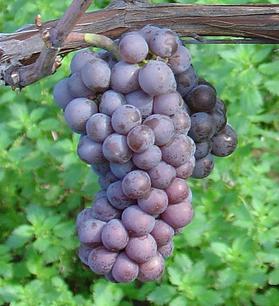
Pinot Grigio grape bunch

🍇 Pinot Grigio

Also known as: Pinot Gris, Grauburgunder (Germany), Ruländer
Pronunciation: pee-NOH GREE-joe ˈpiːnəʊ ˈɡriːdʒəʊ
White Origin: Burgundy, France

About Pinot Grigio

Pinot Grigio/Pinot Gris is a mutation of Pinot Noir, with grayish-pink skin that can produce wines ranging from light and neutral to rich and spicy. The style depends heavily on where and how it's made – Italian Pinot Grigio is typically crisp and simple, while Alsace Pinot Gris is full-bodied and complex.

In Italy's Trentino-Alto Adige and Friuli regions, Pinot Grigio is made in a light, fresh, easy-drinking style that has become hugely popular worldwide. These wines are best consumed young and well-chilled.

Alsace produces a completely different style – rich, aromatic wines with notes of honey, spice, and stone fruits. Oregon also produces excellent Pinot Gris in a style between Italian lightness and Alsace richness. The grape can make both dry and sweet wines.

Wine Colour & Appearance

Typical colour: Water-white to pale lemon

Italian style strips all colour; Alsace Pinot Gris shows gold-copper tints. Ramato style has distinctive copper-pink.

Colour Variations by Region

Alto Adige/Friuli: Very pale, almost colourless
Alsace (Pinot Gris): Medium gold with pink-copper tints
Ramato style: Distinctive copper-pink from skin contact
Intensity Very pale to medium (style dependent)
Clarity Brilliant (especially commercial Italian)
Viscosity Low (Italian) to medium (Alsace)

Wine Characteristics

Body
Light
Acidity
Medium
Sweetness
Dry
Alcohol
11–13.5%

Alcohol content can vary based on growing region and winemaking style; Italian Pinot Grigio tends to be on the lower end of the range.

Aroma & Flavour Profile Le Nez du Vin Reference →

Aromas (Nose) [Le Nez aroma]

  • Pear [M10 pear]
  • Apple [M09 apple]
  • Almond
  • Honey (Alsace style) [M27 honey]
  • Citrus
  • White flowers
  • Spice (Alsace)

Flavours (Palate)

  • Light fruits
  • Neutral character (Italian)
  • Rich and spicy (Alsace)
  • Crisp finish
  • Easy drinking

The Nose

Pinot Grigio typically presents a delicate aroma profile centered around crisp, primary notes of green apple, lemon-lime citrus, and sometimes ripe pear or white peach. Secondary aromas can introduce subtle floral hints like honeysuckle alongside a distinct mineral quality, reminiscent of wet stone. Depending on the wine’s origin and age, tertiary notes may develop into gentle ginger spice or a nuanced, stony earthiness, adding complexity to the fresh fruit foundation.

The Palate

Pinot Grigio typically presents a light-to-medium body with crisp, high acidity that lends a refreshing quality to the wine. Expect primary flavors of green apple, pear, and citrus, often accompanied by subtle notes of melon, peach, or even a hint of ginger and floral aromas—though tannins are virtually absent as it’s a white wine. Depending on the region, some Pinot Grigio can exhibit riper stone fruit characteristics alongside a weightier feel on the palate.

Viticulture

Climate:
Cool to moderate. Benefits from diurnal temperature variation (warm days, cool nights) to retain acidity and develop aromatics. Susceptible to frost.
Soil:
Wide range, but generally prefers well-drained soils. Good performance in: limestone, marl, gravel, volcanic, sandy, and clay-loam. Soil type significantly impacts wine style (e.g., volcanic soils can contribute minerality).
Training Systems:
Guyot: Most common, especially in Italy. Promotes good air circulation and sunlight exposure., Spalier: Widely used, allows for mechanization., Cordon-trained: Another common system, offering good balance., Vertical Shoot Positioning (VSP): Increasingly popular for quality-focused production, maximizing sunlight and airflow.
Yield:
Moderate to high. Yields are often managed to influence wine style. Lower yields (6-8 tonnes/hectare) are favored for higher-quality, more concentrated wines. Higher yields (10-12+ tonnes/hectare) are common for more basic, fruit-forward styles.
Canopy Management:
Important for controlling vigor and sunlight exposure. Leaf removal is common, especially on the east-facing side of the canopy, to improve air circulation and fruit ripening. Shoot thinning is also practiced.
Bud Break And Maturity:
Early budding and early to mid-season maturity. This makes it susceptible to spring frosts. Harvest typically occurs in late August to September (Northern Hemisphere) or February to March (Southern Hemisphere).
Harvesting:
Often mechanically harvested, especially for larger-scale production. Hand-harvesting is preferred for premium wines, allowing for careful fruit selection.
Irrigation:
Generally requires moderate irrigation, especially in drier regions. Water stress can impact fruit quality, but excessive irrigation can dilute flavors.
Pest And Disease Susceptibility:
Mildew (Downy & Powdery): A significant concern, especially in humid climates. Requires preventative spraying., Botrytis (Grey Rot): Can be a problem in wet conditions, particularly during flowering and harvest., Frost: Early bud break makes it vulnerable to spring frosts., Phylloxera: Requires grafting onto resistant rootstocks.
Special Considerations:
Pinot Grigio is a mutation of Pinot Noir. Color development can be an issue, and sun exposure is crucial for achieving optimal ripeness and flavor. Vineyard location and aspect play a significant role in wine character.

Grape Morphology

Skin Thickness
Medium
Berry Size
Small
Bunch Tightness
Medium
Botrytis Susceptibility
Medium

Winemaking Notes

Oak Affinity
None
Oxidation Tendency
Moderate
MLC Typical
Rarely
Ageing Potential
drink young years

Blending Partners

Pinot Noir — Secondary partner

To add color, body, and complexity, particularly in richer styles of Pinot Gris/Grigio. Creates a 'blush' or orange-tinted wine.

Common in: Alsace, Oregon

Gewürztraminer — Secondary partner

To enhance aromatic complexity and floral notes, common in Alsatian Pinot Gris.

Common in: Alsace

Riesling — Secondary partner

To add acidity and balance, especially in off-dry or richer styles.

Common in: Alsace, Germany

Notable Regions

Veneto, Italy The Veneto region is the historical heartland of Pinot Grigio in Italy. It's known for producing dry, crisp Pinot Grigio with delicate fruit flavors. The climate is generally warm and sunny, contributing to the grape's ripeness.
Friuli-Venezia Giulia, Italy Friuli is renowned for its high-quality Pinot Grigio, often exhibiting more structure and complexity than those from other regions. Cooler temperatures and significant diurnal temperature variation contribute to acidity and aromatic intensity.
Lombardy, Italy Lombardy produces Pinot Grigio that is generally lighter and more refreshing, often with a subtle fruit profile. It's a significant producer, though often overshadowed by Veneto and Friuli.
Oregon, USA Oregon's Willamette Valley has become a prominent New World region for Pinot Gris (often labeled as Pinot Grigio). The cooler climate allows for a longer growing season, resulting in wines with higher acidity and more pronounced fruit flavors.
Alsace, France In Alsace, Pinot Gris (the French name for Pinot Grigio) is often made in a richer, more full-bodied style. It can range from dry to off-dry, with notes of spice and honey.
California (Cooler Coastal Areas), USA California's cooler coastal regions, like Sonoma and Monterey, produce Pinot Grigio with good acidity and fruit-forward flavors. These wines tend to be more approachable and less austere than those from some European regions.
New Zealand (Marlborough) Marlborough, New Zealand is known for its intensely aromatic and crisp Pinot Gris. The cool climate and high sunshine hours contribute to vibrant fruit flavors and refreshing acidity.

Region Map

Similar Grapes & Lateral Confusion

These grapes are commonly confused with Pinot Grigio in blind tasting. Here's how to tell them apart:

Chardonnay

Why confused: Both neutral, crisp whites (Italian PG style).

How to distinguish: Pinot Grigio: Italian PG is lighter and more neutral. Chardonnay has more body and complexity. PG has slight almond note.
Compare side by side →

Gewürztraminer

Why confused: Alsace Pinot Gris can be rich and aromatic.

How to distinguish: Pinot Grigio: Gewürz has LYCHEE and rose (very distinctive). Alsace PG has honey and spice but less intensely aromatic.
Compare side by side →

Blind Tasting Tips

Colour: Pale lemon (Italian) to deeper gold (Alsace).

Key markers: Italian style = neutral, light, simple. Alsace style = rich, honeyed, spicy. The two styles are almost unrecognizably different.

Structure: Italian = light body, medium acidity, crisp. Alsace = full body, lower acidity, rich and weighty.

Common confusions: Italian style with unoaked Chardonnay or Verdicchio. Alsace style with Gewürztraminer (more aromatic).

Vintage History

Notable vintages for Pinot Grigio:

2023
A warm and dry growing season led to early ripening. Pinot Grigio benefited from the consistent sunshine, resulting in a wine with vibrant acidity and pronounced citrus fruit – grapefruit and lime. Harvested in mid-August. Slightly lower yields due to drought stress, but concentrated flavors. Expect a crisp, refreshing style.
2022
Cooler temperatures throughout the summer allowed for a longer, slower ripening period. This vintage showcases a more delicate and aromatic Pinot Grigio, with notes of pear, green apple, and a hint of floral blossom. Good acidity, but a bit softer than the warmer vintages. Harvested in early September.
2021
A challenging vintage with spring frosts and a wet summer. Careful vineyard management was crucial. The Pinot Grigio shows a slightly riper profile with notes of peach and honeydew melon, balanced by a refreshing acidity. Yields were down approximately 15% due to the adverse weather. A more textured wine than usual.
2020
An exceptionally warm and dry year. Pinot Grigio ripened quickly, resulting in a wine with intense fruit flavors – think ripe pear and apricot – and a slightly higher alcohol content. Acidity is present but less pronounced than in cooler years. Harvested in late August.
2019
A classic vintage with ideal growing conditions. Balanced temperatures and adequate rainfall produced a Pinot Grigio with excellent structure, bright acidity, and a complex aroma profile of lemon zest, white peach, and a subtle minerality. Harvested in mid-September, allowing for full flavor development.
2018
A warm vintage with a relatively early budburst. The resulting Pinot Grigio is aromatic with notes of white flowers and citrus. The wine is crisp and clean with a dry finish. A very approachable and easy-drinking style.
2017
A cooler, wetter vintage. Pinot Grigio showed more herbaceous notes alongside the typical citrus and stone fruit. Acidity is high, giving the wine a lively character. A slightly lighter-bodied vintage.
2016
A very dry growing season, resulting in concentrated flavors in the Pinot Grigio. Notes of lime, green apple, and a hint of almond. Good structure and a long, clean finish. Harvested in early September.
2015
A mild winter and a warm spring led to an early budburst. The Pinot Grigio exhibits a delicate floral aroma with notes of pear and citrus. A refreshing and easy-drinking wine with balanced acidity.

Food Pairings

🌱 Plant-Based & Vegetarian
Saladsve Asian cuisineve Aperitifve
🍖 Classic Pairings
Light seafood Antipasti Rich fish dishes (Alsace style)

Parentage & Genetics

Parents: Pinot Noir

Clones

I-26

Early budding and ripening, high yield, good resistance to fungal diseases. Often considered a high-quality clone.

I-27

Medium budding and ripening, moderate yield, good aromatic intensity.

I-28

Late budding and ripening, moderate yield, good for cooler climates.

German Clones (Early 1900s)

Developed for high yield in various climates and terroirs. Specific characteristics vary between individual clones within this group.

Bibliography

Books and articles about Pinot Grigio:

← Back to Grape Encyclopaedia
Page created: 27 January 2026 | Last updated: 29 January 2026

Grape Page Help

Navigating the Page

Each grape page is organised into sections that you can access quickly:

  • Table of Contents — Click any link at the top to jump directly to that section
  • ← Back button — Returns you to the Grape Encyclopaedia with your filters preserved
  • ↑ Back to top — Appears when you scroll down; click to return to the top
  • Breadcrumbs — Shows your location (Home → Grape Encyclopaedia → Grape Name)

Wine Colour

This section shows the typical appearance of wines made from this grape:

  • Colour swatches — Visual examples from young to aged expressions
  • Intensity — How deep or pale the colour typically appears
  • Clarity — Whether wines are typically clear, hazy, or have sediment
  • Viscosity — The "legs" or "tears" you see on the glass

Characteristics

Key structural elements that define the wine:

  • Acidity — How tart or fresh the wine tastes (low to high)
  • Body — The weight and texture in your mouth (light to full)
  • Alcohol — Typical alcohol range, sometimes with regional variations
  • Sweetness — Dry, off-dry, or sweet (where applicable)

Tannins (Red Wines)

For red wines, this section describes the tannin profile:

  • Level — Low, medium, or high tannin content
  • Texture — Velvety, silky, grippy, chalky, or sandy
  • Location — Where you feel them (front teeth, gums, cheeks, back of mouth)
  • Ageing potential — How tannins evolve over time

Aroma and Flavour Profile

Aromas (nose) and flavours (palate) are listed separately:

  • The Nose — What you smell before tasting
  • The Palate — What you taste and feel in your mouth
  • Le Nez numbers — References like [M15] correspond to Le Nez du Vin aroma kit bottles (M = Masterkit, O = Oak, F = Faults)
Tip: Le Nez Reference Click the "Le Nez du Vin Reference" link in the Aroma section header to see the full aroma reference chart.

Viticulture

Growing conditions this grape prefers:

  • Climate — Cool, moderate, or warm climate preferences
  • Soil — Preferred soil types (limestone, clay, gravel, etc.)
  • Vigour — How vigorously the vine grows
  • Challenges — Common growing difficulties (frost, rot, disease)

Notable Regions

Key wine regions where this grape excels:

  • Map thumbnails — Small preview maps for each region (where available)
  • Click to expand — Opens a larger interactive map
  • Wine region boundaries — Highlighted in wine-red where data is available
  • Zoom and pan — Explore the map interactively
  • Reset View — Returns to the original zoom level

Old World vs New World

Compares how the grape is expressed in different regions:

  • Old World — Traditional European expressions (France, Italy, Spain, etc.)
  • New World — Modern expressions (Australia, USA, Chile, etc.)
  • Differences in style, ripeness, oak use, and flavour profiles

Similar Grapes

Grapes that are often confused with this variety in blind tasting:

  • Why confused — What characteristics they share
  • How to distinguish — Key differences to look for

Blind Tasting Tips

Practical guidance for identifying this grape when tasting blind:

  • Key markers to look for
  • Common pitfalls and look-alikes
  • Diagnostic characteristics that set it apart

Food Pairings

Suggested foods that complement wines from this grape:

  • Vegan/Vegetarian — Plant-based options listed first, marked (ve) for vegan
  • Classic pairings — Traditional meat and seafood matches