← Back
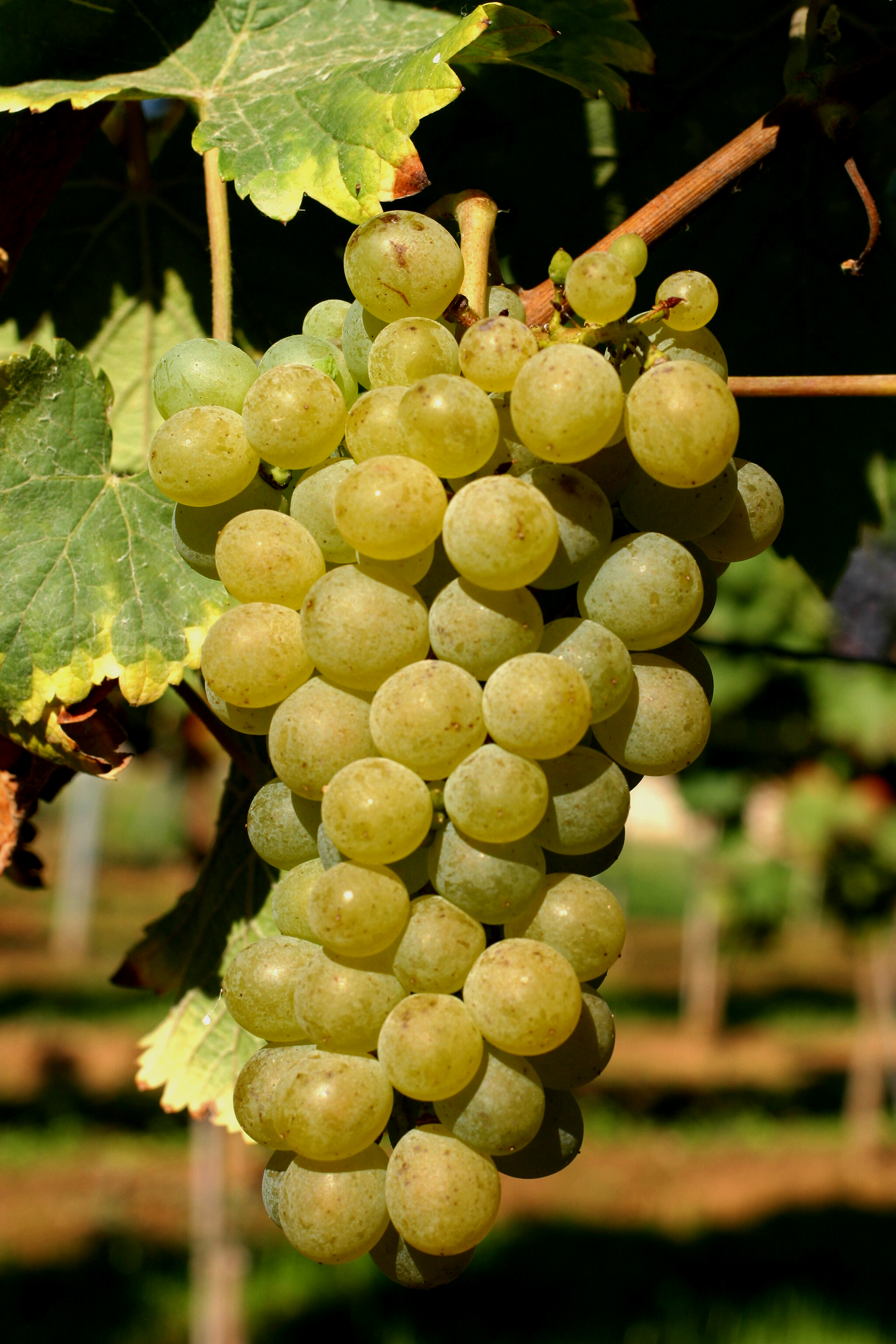
Chenin Blanc grape bunch

πŸ‡ Chenin Blanc βœ“

Also known as: Pineau de la Loire, Steen (South Africa)
Pronunciation: SHEN-in BLAHNK /ΚƒΙ™ΛˆnΙ›Μƒ blΙ’Ε‹k/
White Origin: Loire Valley, France

About Chenin Blanc

Chenin Blanc is one of the most versatile grapes in the world, capable of producing wines from bone-dry to intensely sweet, still to sparkling, and from simple quaffers to cellar-worthy masterpieces. Its home is France's Loire Valley, particularly Vouvray, Savennières, and the sweet wine appellations of Coteaux du Layon.

The grape's defining characteristic is its piercingly high acidity, which allows it to balance significant residual sugar and age for decades. Sweet Loire Chenins can rival the best Sauternes, developing honeyed complexity while remaining fresh and vibrant.

South Africa (where it's called Steen) has more Chenin Blanc planted than anywhere else, producing everything from inexpensive everyday wines to ambitious, age-worthy examples from old bush vines in Swartland. The grape also makes excellent sparkling wine, notably in CrΓ©mant de Loire.

Wine Colour & Appearance

Typical colour: Pale straw to deep gold

Extremely variable by style - from almost water-white Vouvray sec to deep amber aged Coteaux du Layon.

Colour Variations by Region

Loire (dry Vouvray): Pale lemon-green, very light
Loire (moelleux/sweet): Deep gold to amber with age
South Africa (oaked): Medium gold
Intensity Pale to deep (style dependent)
Clarity Brilliant to clear
Viscosity Low (dry) to high (sweet - visible legs from residual sugar)

Wine Characteristics

Body
Medium
Acidity
High
Sweetness
Variable
Alcohol
8–13.5%

Alcohol content can vary, with some producers opting for lower alcohol styles (around 8-11.5%) while others produce fuller-bodied wines (11.5-13.5%).

Aroma & Flavour Profile Le Nez du Vin Reference β†’

Aromas (Nose) [Le Nez aroma]

  • Quince [M11 quince]
  • Apple [M09 apple]
  • Honey [M27 honey]
  • Chamomile
  • Wet wool
  • Lanolin
  • Beeswax (aged)

Flavours (Palate)

  • Green and yellow fruits
  • Honeyed notes
  • Bright acidity
  • Waxy texture
  • Long mineral finish

The Nose

Chenin Blanc presents a captivating aromatic profile, beginning with primary notes of crisp apple, ripe pear, and often a distinctive quince-like fruitiness, sometimes blossoming into delicate white floral aromas like orange blossom. As the wine ages, secondary and tertiary characteristics emerge, adding hints of chamomile, wet stone, and a subtle, intriguing yeastiness that speaks to its potential for complexity. Ultimately, Chenin Blanc offers a nuanced fragrance that balances bright fruit with savory and mineral undertones, promising a vibrant and elegant experience.

The Palate

Chenin Blanc offers a captivating palate experience, ranging from bone-dry to lusciously sweet, but consistently marked by high, refreshing acidity. Dry styles typically showcase flavors of crisp green apple, quince, and citrus, with a light to medium body and a subtle minerality; while sweeter expressions can develop honeyed notes alongside the fruit. Unlike red wines, Chenin Blanc lacks noticeable tannins, prioritizing a clean, vibrant finish.

Viticulture

Climate:
Cool to moderate climates are ideal. Can tolerate warmer climates with careful vineyard management, but acidity can suffer. Benefits from diurnal temperature variation (warm days, cool nights).
Soil:
Wide range of soil types tolerated, but best results are achieved in soils with good drainage. Commonly grown in schist, loam, clay, and tuffeau (a chalky limestone). Soil impacts wine style significantly – schist for minerality, clay for richness.
Rootstock:
Adaptable to various rootstocks. Selection depends on soil type, nematode resistance, and vigor control. Common choices include 110R, 3309, and SO4.
Yield:
Yields can vary significantly depending on vineyard age, training method, and climate. Generally moderate (20-50 hl/ha), but can be higher. Lower yields are often preferred for quality wines, concentrating flavors.
Harvest:
Harvest timing is crucial and varies greatly depending on the intended wine style. Can be harvested at different levels of ripeness for dry, off-dry, late harvest, and noble rot (botrytized) wines. Multiple passes through the vineyard are common.
Canopy Management:
Important for sun exposure and air circulation. Leaf removal is common to improve light penetration and reduce humidity, mitigating rot risk. Canopy height and density are adjusted based on climate and desired wine style.
Budding And Maturity:
Buds early to mid-season, making it susceptible to spring frosts. Matures late, often into October or November, allowing for full flavor development but increasing risk of late-season rot. Long growing season.
Special Considerations:
Chenin Blanc is known for its high acidity, which needs to be managed through vineyard practices. Old vines produce lower yields and more concentrated wines. Vine age is a significant factor in quality.
Susceptibility To Disease:
Susceptible to botrytis bunch rot (especially in humid conditions), powdery mildew, and downy mildew. Requires careful vineyard monitoring and preventative treatments. Frost is a significant risk due to early budding.
Vine Training:
Various training methods are used, including single and double Guyot, Cordon Royat, and sometimes pergola (especially in the Loire Valley). Training method influences canopy management and yield.

Grape Morphology

Skin Thickness
Thin
Berry Size
Small
Bunch Tightness
Medium
Botrytis Susceptibility
High

Winemaking Notes

Oak Affinity
Medium
Oxidation Tendency
Moderate
MLC Typical
Yes
Ageing Potential
10-20 years

Blending Partners

Chardonnay β€” Secondary partner

Used in sparkling wine blends to add complexity and body.

Common in: Saumur, Vouvray

Cabernet Franc β€” Secondary partner

Used in sparkling wine blends to add acidity and structure.

Common in: Saumur, Vouvray

Semillon β€” Secondary partner

To create richer-styled wines, similar to oaked Chardonnay.

Common in: South Africa

Viognier β€” Secondary partner

To create richer-styled wines, adding aromatic complexity.

Common in: South Africa

Marsanne β€” Secondary partner

To create richer-styled wines, contributing to body and texture.

Common in: South Africa

Notable Regions

Loire Valley, France
South Africa (Western Cape)
California, USA
Australia (South Australia & Victoria)
New Zealand

Region Map

Similar Grapes & Lateral Confusion

These grapes are commonly confused with Chenin Blanc in blind tasting. Here's how to tell them apart:

Chardonnay

Why confused: Both versatile varieties with similar body. Loire Chenin can have similar weight.

How to distinguish: Chardonnay: Chenin has MUCH higher acidity and quince/wet wool notes. Chardonnay is rounder and less angular.
Chenin Blanc: Chenin has much higher acidity with quince notes. Chardonnay is rounder and more buttery (if MLF).
Compare side by side →

Riesling

Why confused: Both high-acid varieties that can be sweet or dry. Both high-acid, versatile (dry to sweet).

How to distinguish: Riesling: Riesling has distinctive PETROL note with age. Chenin has quince and wet wool. Riesling has lime; Chenin has apple.
Chenin Blanc: Chenin has QUINCE and WET WOOL notes. Riesling has lime and petrol. Both have high acidity but different fruit.
Compare side by side →

Viognier

Why confused: Both can be honeyed and rich.

How to distinguish: Chenin Blanc: Chenin has HIGH acidity; Viognier has LOW. Viognier has apricot; Chenin has quince/apple.
Compare side by side →

Blind Tasting Tips

Colour: Pale lemon (dry) to deep gold (sweet/aged).

Key markers: Quince and apple fruit. Distinctive wet wool/lanolin character. Very high acidity regardless of sweetness level. Honeyed notes, especially with age or botrytis.

Structure: Variable body depending on style. Always HIGH acidity. Can be bone dry to very sweet but acidity keeps it fresh.

Common confusions: Riesling (more citrus, petrol), Chardonnay (lower acidity), Viognier (lower acidity, more stone fruit).

Vintage History

Notable vintages for Chenin Blanc:

2023
A challenging vintage marked by a wet spring and early summer, followed by a surprisingly warm and dry August/September. Yields were down due to mildew pressure, requiring careful vineyard management. The resulting wines show bright acidity, concentrated flavors of quince, chamomile, and a distinct saline minerality. Early indications suggest excellent potential for dry Chenin, particularly from Vouvray. Sweet wines are also promising, with good botrytis development in some vineyards, but less widespread than in 2022.
2022
Exceptional vintage. A warm, dry summer followed by a cool, late harvest allowed for perfect phenolic maturity and the development of noble rot (botrytis cinerea) in ideal conditions. High acidity and concentrated sugars resulted in stunningly balanced wines across all styles. Vouvray and Coteaux du Layon are expected to produce legendary sweet wines. Dry Chenin is crisp, vibrant, and complex, with notes of pear, apple blossom, and flint.
2021
A difficult vintage due to spring frosts that significantly reduced yields. The summer was warm and dry, but the lack of water stress impacted the physiological ripeness of the grapes. Wines are generally lighter in body and less concentrated than 2020, but retain good acidity and a refreshing character. Expect more lean, zesty styles, with notes of citrus and green apple. Sweet wines are limited in quantity.
2020
A warm and dry vintage, resulting in ripe, concentrated Chenin Blanc. Harvest was early, and the wines exhibit a generous fruit profile with notes of apricot, peach, and honey. Acidity is present but less pronounced than in cooler years. Excellent potential for both dry and sweet wines, with a good balance between richness and freshness. Some wines may show a slightly waxy texture.
2019
A classic South African vintage with consistent conditions throughout the growing season. Cooler nights helped retain acidity, while ample sunshine ensured full phenolic ripeness. Wines are beautifully balanced, with complex aromas of honeydew melon, passionfruit, and a subtle herbal note. Old vine Chenin Blanc shines, displaying remarkable depth and longevity. Excellent for both dry and wooded styles.
2018
A dry vintage with significant heat spikes. Vineyards with good access to water fared better. The resulting wines are powerful and concentrated, with notes of quince, dried apricot, and a distinctive stony minerality. Acidity is relatively high, providing structure and balance. Wines from unirrigated vineyards show a particularly intense character.
2017
A cool and wet winter followed by a moderate summer. This allowed for a long, slow ripening period, resulting in wines with bright acidity and delicate flavors of green apple, pear, and citrus blossom. The wines are elegant and refreshing, with a restrained fruit profile. Good vintage for unoaked Chenin Blanc.
2016
A warm and relatively dry vintage, though with some rainfall in July. The wines are ripe and generous, with notes of yellow apple, beeswax, and a hint of spice. Acidity is moderate, providing good balance. A versatile vintage suitable for all styles of Chenin Blanc.

Food Pairings

🌱 Plant-Based & Vegetarian
Sushive Thai cuisineve Goat cheese Blue cheese (sweet styles)
πŸ– Classic Pairings
Pork with apples Tarte Tatin

Parentage & Genetics

Parents: Gouais Blanc Γ— Savagnin

Clones

Clone 220

France's first certified Chenin Blanc clone, widely planted. Known for high yields and good acidity.

Clone 982

Originated in the Pays de la Loire region. Specific characteristics beyond origin are not widely detailed in provided sources.

Bibliography

Books and articles about Chenin Blanc:

Understanding Wine Technology: The Science of Winemaking by David Bird (DBQA Publishing, 2010) β†—

Excellent technical overview of winemaking, with good coverage of white varieties like Chenin Blanc. Discusses oxidation, botrytis, and related challenges.

Wine Folly: Magnum Edition: The Master Guide by Madeline Puckette & Justin Hammack (Folly Productions, 2018) β†—

Visually-driven guide with a section on Chenin Blanc, covering flavor profiles, food pairings, and regions.

The World Atlas of Wine by Hugh Johnson & Jancis Robinson (Mitchell Beazley, 2019) β†—

Comprehensive regional coverage, including detailed information on the Loire Valley and South Africa, key Chenin Blanc regions.

Wine Searcher

Useful for finding information on specific producers, vintages, and pricing. Can also provide tasting notes and critic reviews.

Loire Valley Wine Bureau

Official website with information on the Loire Valley, including Chenin Blanc (Vouvray, Savennières, etc.).

Influence of Botrytis cinerea on the Aroma Profile of Chenin Blanc Grapes

Research into the impact of noble rot (Botrytis cinerea) on Chenin Blanc aroma compounds.

Terroir and Chenin Blanc: A Comparative Study of South African and Loire Valley Wines

Compares the characteristics of Chenin Blanc from different terroirs.

Platter's South African Wine Guide

Annual guide to South African wines, with extensive Chenin Blanc coverage.

Vouvray by Jefford, Andrew (Hachette Wine Library, 2013) β†—

A deep dive into the Vouvray appellation, focusing on Chenin Blanc.

← Back to Grape Encyclopaedia
Page created: 27 January 2026 | Last updated: 29 January 2026

Grape Page Help

Navigating the Page

Each grape page is organised into sections that you can access quickly:

  • Table of Contents — Click any link at the top to jump directly to that section
  • ← Back button — Returns you to the Grape Encyclopaedia with your filters preserved
  • ↑ Back to top — Appears when you scroll down; click to return to the top
  • Breadcrumbs — Shows your location (Home → Grape Encyclopaedia → Grape Name)

Wine Colour

This section shows the typical appearance of wines made from this grape:

  • Colour swatches — Visual examples from young to aged expressions
  • Intensity — How deep or pale the colour typically appears
  • Clarity — Whether wines are typically clear, hazy, or have sediment
  • Viscosity — The "legs" or "tears" you see on the glass

Characteristics

Key structural elements that define the wine:

  • Acidity — How tart or fresh the wine tastes (low to high)
  • Body — The weight and texture in your mouth (light to full)
  • Alcohol — Typical alcohol range, sometimes with regional variations
  • Sweetness — Dry, off-dry, or sweet (where applicable)

Tannins (Red Wines)

For red wines, this section describes the tannin profile:

  • Level — Low, medium, or high tannin content
  • Texture — Velvety, silky, grippy, chalky, or sandy
  • Location — Where you feel them (front teeth, gums, cheeks, back of mouth)
  • Ageing potential — How tannins evolve over time

Aroma and Flavour Profile

Aromas (nose) and flavours (palate) are listed separately:

  • The Nose — What you smell before tasting
  • The Palate — What you taste and feel in your mouth
  • Le Nez numbers — References like [M15] correspond to Le Nez du Vin aroma kit bottles (M = Masterkit, O = Oak, F = Faults)
Tip: Le Nez Reference Click the "Le Nez du Vin Reference" link in the Aroma section header to see the full aroma reference chart.

Viticulture

Growing conditions this grape prefers:

  • Climate — Cool, moderate, or warm climate preferences
  • Soil — Preferred soil types (limestone, clay, gravel, etc.)
  • Vigour — How vigorously the vine grows
  • Challenges — Common growing difficulties (frost, rot, disease)

Notable Regions

Key wine regions where this grape excels:

  • Map thumbnails — Small preview maps for each region (where available)
  • Click to expand — Opens a larger interactive map
  • Wine region boundaries — Highlighted in wine-red where data is available
  • Zoom and pan — Explore the map interactively
  • Reset View — Returns to the original zoom level

Old World vs New World

Compares how the grape is expressed in different regions:

  • Old World — Traditional European expressions (France, Italy, Spain, etc.)
  • New World — Modern expressions (Australia, USA, Chile, etc.)
  • Differences in style, ripeness, oak use, and flavour profiles

Similar Grapes

Grapes that are often confused with this variety in blind tasting:

  • Why confused — What characteristics they share
  • How to distinguish — Key differences to look for

Blind Tasting Tips

Practical guidance for identifying this grape when tasting blind:

  • Key markers to look for
  • Common pitfalls and look-alikes
  • Diagnostic characteristics that set it apart

Food Pairings

Suggested foods that complement wines from this grape:

  • Vegan/Vegetarian — Plant-based options listed first, marked (ve) for vegan
  • Classic pairings — Traditional meat and seafood matches