← Back
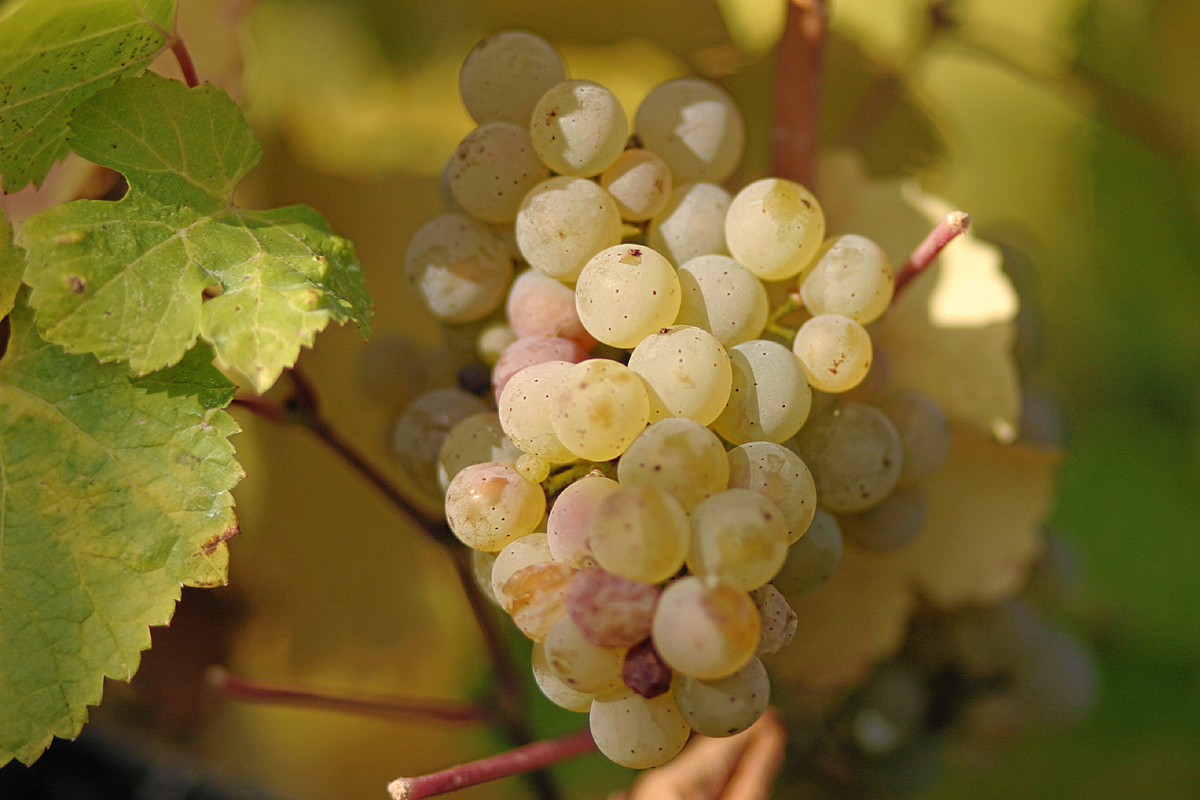
Riesling grape bunch

🍇 Riesling

Also known as: White Riesling, Rhine Riesling, Johannisberg Riesling
Pronunciation: ˈriːzlɪŋ (REEZ-ling) /ˈriːzlɪŋ/ or /ˈraɪzˌlɪŋ/
White Origin: Rhine Region, Germany

About Riesling

Riesling is considered by many to be the world's greatest white grape, capable of producing wines across the entire sweetness spectrum while maintaining electric acidity. It's one of the few grapes that can age for decades, developing complex petrol/kerosene notes that devotees prize.

Germany is Riesling's spiritual home, where the Prädikat system classifies wines by ripeness level, from dry Kabinett to intensely sweet Trockenbeerenauslese. The grape also excels in Alsace (typically dry and full-bodied), Austria, and Australia's Clare and Eden Valleys.

Riesling is remarkably terroir-expressive, with different slate types in the Mosel producing distinctly different wines. Its naturally high acidity makes it one of the most food-versatile wines and allows even sweet versions to feel balanced and refreshing.

Wine Colour & Appearance

Typical colour: Pale straw to light gold with green tints

Very pale in youth with green reflections. Develops golden and amber hues with age. Sweet versions often show deeper gold.

Colour Variations by Region

Mosel: Water-white with green glints
Alsace: Pale gold
Clare Valley: Pale straw-green
Rheingau (aged): Deep gold to amber
Intensity Pale to medium - depending on sweetness level and age
Clarity Brilliant - often described as "crystalline"
Viscosity Low (dry) to high (sweet) - sweet versions show pronounced legs

Wine Characteristics

Body
Light
Acidity
High
Sweetness
Variable
Alcohol
8–12.5%

Alcohol content depends on the climate where the wine is made; lower alcohol levels are often found in cooler climate Rieslings.

Aroma & Flavour Profile Le Nez du Vin Reference →

Aromas (Nose) [Le Nez aroma]

  • Lime
  • Green apple
  • Stone fruits
  • Petrol/kerosene (aged)
  • Honey [M27 honey]
  • Flowers
  • Slate/mineral

Flavours (Palate)

  • Citrus
  • Stone fruits
  • Electric acidity
  • Mineral notes
  • Can be dry to very sweet

The Nose

Riesling boasts an intensely aromatic profile, initially bursting with primary fruit notes of lime, green apple, and ripe peach. As the wine ages, secondary aromas of honeysuckle and subtle floral tones emerge, eventually developing tertiary characteristics like a distinctive, intriguing hint of kerosene alongside notes of wet stone and beeswax. This complex interplay creates a uniquely captivating and evolving aromatic experience.

The Palate

Riesling presents a wonderfully vibrant palate, typically light-bodied with high, mouthwatering acidity that balances its often noticeable residual sugar. Flavors lean heavily towards orchard and stone fruits like green apple, apricot, and pear, frequently accompanied by delicate floral notes and a distinct citrus zest, creating a uniquely aromatic and refreshing experience. Unlike many white wines, Riesling lacks significant tannins, allowing the fruit and acidity to truly shine.

Viticulture

Training:
Single cordon, Double cordon, Guyot
Canopy Management:
Canopy management is important to ensure good sunlight penetration and air circulation, reducing disease pressure.
Pruning:
Severe pruning is common to control vigor and yield. Bud thinning may also be practiced.
Altitude:
Often planted on steep slopes to maximize sunlight exposure and drainage. Altitudes vary widely depending on region, but can range from sea level to 500+ meters.
Average:
40-60 hl/ha (hectoliters per hectare)
Characteristics:
Well-drained, low fertility soils are preferred. Slate and schist contribute to minerality. Loess provides good water retention. Clay-limestone offers balance.
Common Rootstocks:
SO4, 3309, 110R, K51-40
Considerations:
Rootstock selection depends on soil type, nematode pressure, and desired vine vigor.
Drainage:
Excellent drainage is crucial.
Factors Affecting:
Vintage, Soil, Climate, Vine age, Pruning/Canopy Management
Grape Variety:
Riesling
Ideal:
Cool to moderate climates with significant diurnal temperature variation (warm days, cool nights).
Management:
Careful canopy management, fungicide applications, and good vineyard hygiene are essential for disease control.
Maturity Indicators:
Berry flavor, Sugar levels (Brix), Acidity (TA), Seed color
Preferred:
Slate, Schist, Loess, Clay-limestone
Quality Focused:
Lower yields (30-40 hl/ha) are often pursued for premium quality wines.
Regions:
Germany (Mosel, Rheingau, Pfalz), France (Alsace), Australia (Clare Valley, Eden Valley), United States (Washington State, Finger Lakes), Canada (Niagara Peninsula)
Risks:
Late spring frosts, Excessive heat (can lead to sugar accumulation without acid retention)
Susceptible To:
Botrytis bunch rot (especially in humid climates), Powdery mildew, Downy mildew
Timing:
Late ripening variety, often harvested in October or November. Multiple passes through the vineyard are common to select grapes at different stages of ripeness (for varying levels of sweetness).
Tolerances:
Frost, Cool summers

Grape Morphology

Skin Thickness
Thin
Berry Size
Small
Bunch Tightness
Medium
Botrytis Susceptibility
Medium

Winemaking Notes

Oak Affinity
Low
Oxidation Tendency
High
MLC Typical
Yes
Ageing Potential
10-20 years

Blending Partners

Silvaner — Traditional partner

Often used in Liebfraumilch and other bulk sweet table wines to add volume and roundness.

Common in: Germany

Müller-Thurgau — Traditional partner

Used in Liebfraumilch and other bulk sweet table wines, contributing to a lighter style.

Common in: Germany

Notable Regions

Mosel, Germany Steep, slate-rich vineyards along the Mosel River produce intensely aromatic, mineral-driven Rieslings, often with residual sugar. Known for elegant, ageable wines.
Rheingau, Germany Located near Rüdesheim, the Rheingau is known for dry Rieslings with a distinctive flinty minerality. Often fuller-bodied than Mosel Rieslings.
Nahe, Germany A slightly warmer climate than Mosel or Rheingau, Nahe Rieslings offer a balance of fruit, acidity, and minerality. Known for both dry and sweet styles.
Alsace, France Dry, aromatic Rieslings with a characteristic petrol aroma as they age. Alsace Rieslings are typically fuller-bodied and less overtly sweet than German counterparts.
Clare Valley, South Australia Produces dry, lime-flavored Rieslings with excellent acidity and aging potential. Often considered Australia's premier Riesling region.
Finger Lakes, New York, USA Cool-climate Rieslings with high acidity, often exhibiting notes of green apple, apricot, and petrol. Increasingly recognized for quality.
Mosel-Saar-Ruwer, Germany A sub-region of Mosel, known for particularly elegant and mineral-driven Rieslings. The Saar and Ruwer rivers contribute to the cool climate.
Rheingau, Germany - Johannisberg Specifically the Johannisberg area within Rheingau, historically known for its pioneering of late-harvest Riesling and 'Eiswein' (ice wine).
Yarra Valley, Victoria, Australia Cool climate region producing dry Rieslings with citrus and floral aromas. Often shows a distinctive minerality.

Region Map

Old World vs New World

Understanding regional style differences helps identify origin in blind tasting.

🏰 Old World (Europe)

  • Floral, delicate, often off-dry
  • Slate/mineral character (Mosel)
  • Lower alcohol (8-12%)
  • High acidity balances sweetness
  • Develops petrol notes with age
  • Sweetness levels indicated on label

🌎 New World (Americas, Australasia)

  • Usually dry (especially Australia)
  • Lime, citrus, more fruit-forward
  • Higher alcohol than German
  • Can develop kerosene notes
  • Clare/Eden Valley style
  • Less emphasis on sweetness gradations

Key Tells for Blind Tasting

Low alcohol (under 12%) with floral, off-dry character = German. Bone-dry with lime and slightly higher alcohol = Australian. Petrol/kerosene appears in aged examples from both.

Similar Grapes & Lateral Confusion

These grapes are commonly confused with Riesling in blind tasting. Here's how to tell them apart:

Chenin Blanc

Why confused: Both high-acid varieties that can be sweet or dry. Both high-acid, versatile (dry to sweet).

How to distinguish: Riesling: Riesling has distinctive PETROL note with age. Chenin has quince and wet wool. Riesling has lime; Chenin has apple.
Chenin Blanc: Chenin has QUINCE and WET WOOL notes. Riesling has lime and petrol. Both have high acidity but different fruit.
Compare side by side →

Gewürztraminer

Why confused: Both Germanic/Alsatian aromatic varieties.

How to distinguish: Riesling: Gewürz has LOW acidity and lychee/rose. Riesling has HIGH acidity and lime/petrol. Totally different structure.
Compare side by side →

Albariño

Why confused: Both aromatic with citrus notes.

How to distinguish: Riesling: Riesling has petrol character and can be sweet. Albariño is always dry with saline/bitter almond finish.
Albariño: Albariño is always dry with saline finish. Riesling has lime/petrol and can be sweet.
Compare side by side →

Grüner Veltliner

Why confused: Both Germanic varieties with high acidity.

How to distinguish: Grüner Veltliner: Grüner has pepper/vegetal notes. Riesling has citrus fruit and petrol character.
Compare side by side →

Vidal

Why confused: Both make exceptional icewine with high acidity

How to distinguish: Vidal: Riesling icewine has more petrol/mineral notes; Vidal is more purely tropical and honeyed
Compare side by side →

Blind Tasting Tips

Colour: Pale lemon to gold (sweeter/older). Very clear and bright.

Key markers: Petrol/kerosene aroma is diagnostic (especially with age). Lime and green apple fruit. Distinctive "steely" acidity. Sweetness varies widely – look for balance, not residual sugar perception.

Structure: Light body with very HIGH acidity – should make your mouth water. Even sweet versions feel refreshing.

Common confusions: Chenin Blanc (more quince/honey), Gewürztraminer (more aromatic/spicy), Albariño.

Vintage History

Notable vintages for Riesling:

2023
A very promising vintage. Warm, dry summer led to fully ripe grapes with excellent sugar and acid balance. Expect wines with concentrated fruit, floral aromatics, and good aging potential. Some botrytis development in late harvest, adding complexity.
2022
Warm and dry conditions throughout the growing season. Wines are ripe and generous, with a slightly fuller body than usual. Acidity is good but not as bracing as in cooler years. Early drinking potential, but some examples will age well.
2021
A classic Clare Valley vintage. Moderate growing season with consistent rainfall followed by a warm, dry finish. Excellent fruit concentration, vibrant acidity, and characteristic lime and citrus notes. Long-lived potential.
2020
A challenging vintage due to a cool and wet spring. Harvest was late, and yields were reduced. Wines show a lighter body and higher acidity. Best examples exhibit a delicate floral character and mineral complexity, but overall, a less opulent vintage.
2019
Exceptional vintage. Warm, sunny summer with ideal conditions for ripening. Wines are rich, concentrated, and beautifully balanced, with layers of fruit, floral, and mineral flavors. Excellent aging potential. Considered a benchmark year.
2018
Warm and relatively dry summer. Wines are ripe and expressive, with good acidity and a distinct mineral character. A very good vintage for off-dry and semi-sweet Rieslings.
2017
A generous vintage with warm temperatures and sufficient rainfall. Wines are full-bodied and fruity, with a slightly lower acidity. Enjoyable young, but may not have the same aging potential as cooler vintages.
2016
A cool and wet vintage, resulting in wines with high acidity and intense citrus flavors. Excellent structure and aging potential. A classic, lean, and mineral-driven style.
2015
A warm and dry vintage, producing rich and concentrated wines. Some examples show a hint of honeyed character. Good balance and aging potential.
2014
A cool vintage with a late harvest. Wines are crisp, with high acidity and a pronounced mineral character. Good for dry Rieslings.
2013
Uneven vintage due to spring frosts and a cool summer. Yields were significantly reduced. Wines are lighter in body and acidity, with a delicate character. Best enjoyed young.
2012
A very good vintage with a warm summer and cool nights. Wines are balanced, with good acidity and concentrated fruit flavors. Excellent aging potential.

Food Pairings

🌱 Plant-Based & Vegetarian
Spicy Asian cuisineve Cream-based dishes Blue cheese (sweet styles)
🍖 Classic Pairings
Pork Duck Smoked fish

Parentage & Genetics

Parents: Gouais blanc × Unknown - possibly a Traminer seedling x V. sylvestris

Clones

GM 198-25

More open clusters, great fruit, lower yields and acidity.

GM 239-20

Specific characteristics not detailed, but noted as a clone.

Bibliography

Books and articles about Riesling:

The World Atlas of Wine by Hugh Johnson & Jancis Robinson (Mitchell Beazley, 2019)

Comprehensive overview of all major wine regions, with significant coverage of German and Alsatian Riesling.

Wine Folly: Magnum Edition: The Master Guide by Madeline Puckette & Justin Hammack (Folly Productions, 2018)

Visually engaging guide with a good section on Riesling characteristics and food pairings.

German Wine Atlas by Ernst Loosen (J.H. Winger Verlag, 2017)

Detailed exploration of German wine regions, focusing heavily on Riesling.

Alsace Wines & Vineyards by Tom Stevenson (Mitchell Beazley, 2016)

Focuses on the Alsace region and its Riesling production.

Wine-Searcher

Price comparison and information on wines globally, including Riesling. Useful for finding specific producers and vintages.

German Wine Institute (DWI)

Official website of the German wine industry. Provides information on regions, producers, and vintages.

Alsace Wines Council

Official website for Alsace wines, including Riesling. Information on appellations, producers, and tasting notes.

Terroir and the Perception of Wine by James E. Wilson (Praeger, 1998)

Discusses the impact of terroir on wine, relevant to understanding Riesling's regional variations.

The Oxford Companion to Wine by Jancis Robinson (Editor) (Oxford University Press, 2015)

A comprehensive wine encyclopedia with detailed entries on Riesling and its regions.

"Influence of climate on the aroma of Riesling" by Dokoozlian, N. L., et al. (2008)

Scientific research on how climate impacts Riesling's aroma compounds.

← Back to Grape Encyclopaedia

Wines Featuring Riesling

Wines from our tasting directory that feature this grape:

Robert Roth Riesling
Robert Roth
Alsace, France
Hunter's Marlborough Riesling
Hunter's Wines
Marlborough
Page created: 27 January 2026 | Last updated: 30 January 2026

Grape Page Help

Navigating the Page

Each grape page is organised into sections that you can access quickly:

  • Table of Contents — Click any link at the top to jump directly to that section
  • ← Back button — Returns you to the Grape Encyclopaedia with your filters preserved
  • ↑ Back to top — Appears when you scroll down; click to return to the top
  • Breadcrumbs — Shows your location (Home → Grape Encyclopaedia → Grape Name)

Wine Colour

This section shows the typical appearance of wines made from this grape:

  • Colour swatches — Visual examples from young to aged expressions
  • Intensity — How deep or pale the colour typically appears
  • Clarity — Whether wines are typically clear, hazy, or have sediment
  • Viscosity — The "legs" or "tears" you see on the glass

Characteristics

Key structural elements that define the wine:

  • Acidity — How tart or fresh the wine tastes (low to high)
  • Body — The weight and texture in your mouth (light to full)
  • Alcohol — Typical alcohol range, sometimes with regional variations
  • Sweetness — Dry, off-dry, or sweet (where applicable)

Tannins (Red Wines)

For red wines, this section describes the tannin profile:

  • Level — Low, medium, or high tannin content
  • Texture — Velvety, silky, grippy, chalky, or sandy
  • Location — Where you feel them (front teeth, gums, cheeks, back of mouth)
  • Ageing potential — How tannins evolve over time

Aroma and Flavour Profile

Aromas (nose) and flavours (palate) are listed separately:

  • The Nose — What you smell before tasting
  • The Palate — What you taste and feel in your mouth
  • Le Nez numbers — References like [M15] correspond to Le Nez du Vin aroma kit bottles (M = Masterkit, O = Oak, F = Faults)
Tip: Le Nez Reference Click the "Le Nez du Vin Reference" link in the Aroma section header to see the full aroma reference chart.

Viticulture

Growing conditions this grape prefers:

  • Climate — Cool, moderate, or warm climate preferences
  • Soil — Preferred soil types (limestone, clay, gravel, etc.)
  • Vigour — How vigorously the vine grows
  • Challenges — Common growing difficulties (frost, rot, disease)

Notable Regions

Key wine regions where this grape excels:

  • Map thumbnails — Small preview maps for each region (where available)
  • Click to expand — Opens a larger interactive map
  • Wine region boundaries — Highlighted in wine-red where data is available
  • Zoom and pan — Explore the map interactively
  • Reset View — Returns to the original zoom level

Old World vs New World

Compares how the grape is expressed in different regions:

  • Old World — Traditional European expressions (France, Italy, Spain, etc.)
  • New World — Modern expressions (Australia, USA, Chile, etc.)
  • Differences in style, ripeness, oak use, and flavour profiles

Similar Grapes

Grapes that are often confused with this variety in blind tasting:

  • Why confused — What characteristics they share
  • How to distinguish — Key differences to look for

Blind Tasting Tips

Practical guidance for identifying this grape when tasting blind:

  • Key markers to look for
  • Common pitfalls and look-alikes
  • Diagnostic characteristics that set it apart

Food Pairings

Suggested foods that complement wines from this grape:

  • Vegan/Vegetarian — Plant-based options listed first, marked (ve) for vegan
  • Classic pairings — Traditional meat and seafood matches