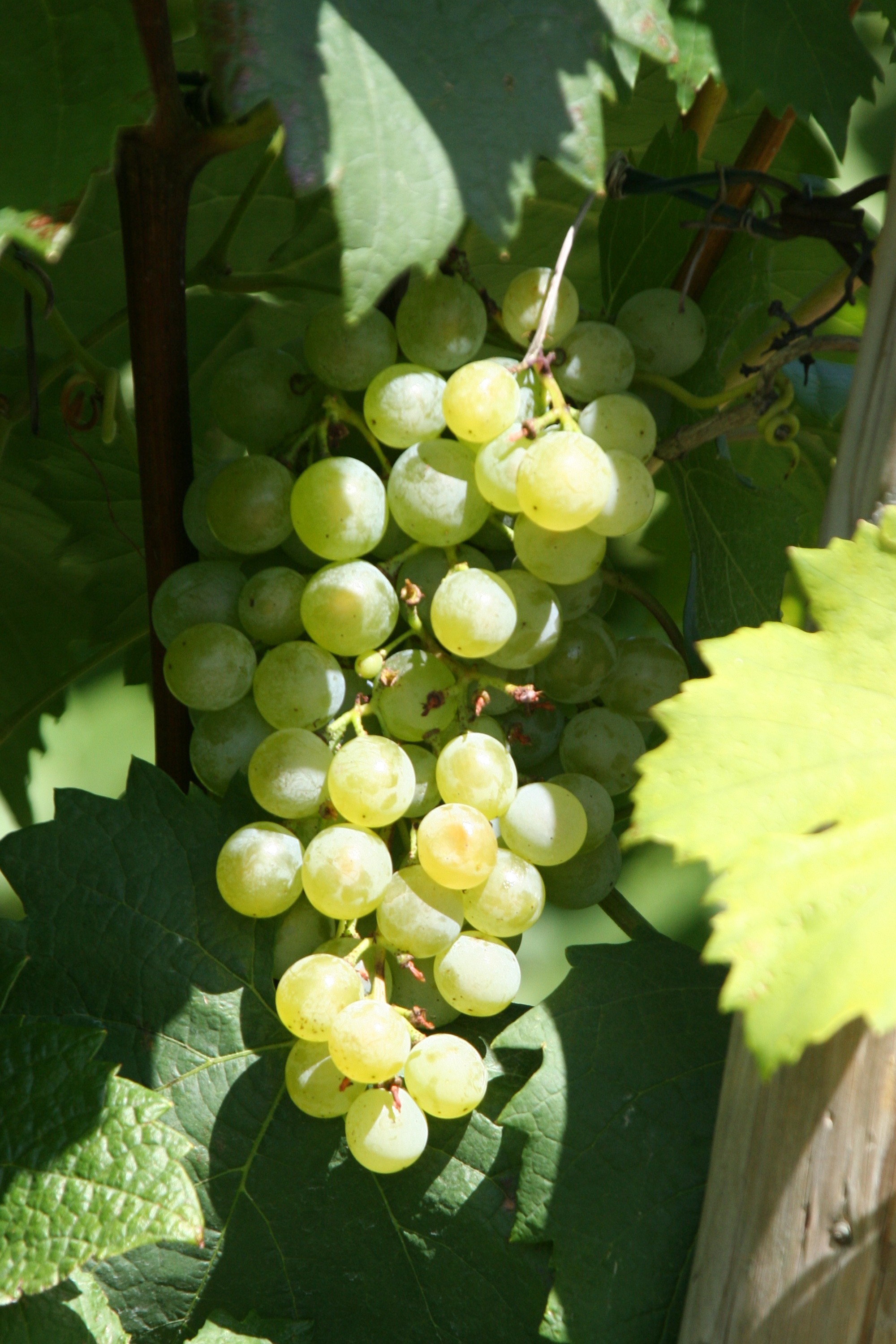
🍇 Grüner Veltliner
Also known as: GrünerAbout Grüner Veltliner
Grüner Veltliner is Austria's signature white grape, producing wines that range from light and peppery to rich and age-worthy. It covers about a third of Austria's vineyard area and has gained significant international recognition in recent decades.
The grape's most distinctive characteristic is its white pepper spice, which appears alongside green apple, citrus, and herbal notes. The best examples come from the steep terraces of the Wachau, Kamptal, and Kremstal regions, where old vines on mineral-rich soils produce intense, complex wines.
Grüner is remarkably food-friendly, particularly with dishes that challenge other wines like asparagus, artichokes, and Asian cuisine. It's one of the few wines that can match the bitterness and vegetal notes of difficult vegetables.
Wine Colour & Appearance
Typical colour: Pale lemon with green tints
The green tint is characteristic of cooler Austrian sites. Develops golden hues with age.
Colour Variations by Region
Wine Characteristics
Standard Austrian Grüner Veltliner typically falls between 12.0% and 12.5% ABV, while reserve or single-vineyard styles may reach up to 14.0%.
Aroma & Flavour Profile Le Nez du Vin Reference →
Aromas (Nose) [Le Nez aroma]
- White pepper
- Green apple
- Citrus
- Herbs
- Snap peas
- Radish
- Mineral
Flavours (Palate)
- Green fruits
- Peppery spice
- Crisp acidity
- Mineral finish
- Can be rich in top examples
The Nose
Grüner Veltliner captivates with a vibrant aroma profile that begins with bright, zesty citrus notes—think sun-ripened lime, lemon peel, and grapefruit—mingling with the crisp freshness of green apple and juicy peach. Beneath the fruit, a subtle herbal complexity unfolds, evoking the sharp, peppery scent of white pepper and the verdant snap of freshly cut grass. With age, the wine may reveal deeper layers of orange zest, creamy meadow flowers, and a whisper of toasted bread, adding warmth and depth to its lively, mineral-driven character.
The Palate
Grüner Veltliner offers a vibrant and dynamic palate profile, characterized by its bright, zesty acidity that cuts through with crisp citrus notes of lemon, lime, and grapefruit, often accompanied by fresh green apple and stone fruit undertones. The wine’s lean yet lively body is punctuated by a distinctive peppery spice and vegetal freshness, ranging from green pear to subtle herbal nuances, making it both refreshing and complex on the finish. While tannins are minimal in this white variety, its structured acidity and layered flavors create a versatile and food-friendly profile.
Similar Grapes & Lateral Confusion
These grapes are commonly confused with Grüner Veltliner in blind tasting. Use the buttons to switch between the default teaching order and alphabetical order.
Sauvignon Blanc
Why confused: Both can be crisp, dry, pale and herb-tinged.
Albariño
Why confused: Both crisp, aromatic whites.
Riesling
Why confused: Both Germanic varieties with high acidity.
Blind Tasting Tips
Colour: Pale lemon to medium gold (richer examples).
Key markers: White pepper spice is the signature – highly diagnostic. Green apple and citrus fruit. Herbal/vegetal notes (snap peas). Clean, mineral finish.
Structure: Medium body with high acidity. Crisp and refreshing. Can range from light to quite rich.
Common confusions: Sauvignon Blanc (more grassy/green pepper), Albariño (more stone fruit), Riesling (more fruit-focused).
Viticulture
Grape Morphology
Winemaking Notes
Blending Partners
Adds high acidity, lime aromatics, and structural tension to balance Grüner Veltliner's body
Historical regional blend combining complementary 'Gipfler' varieties for texture and spice complexity
Traditional Spätrot-Rotgipfler style extensions, contributing richness and local typicity
Provides neutral freshness and volume for entry-level Qualitätswein blends
Adds body, creamy texture, and orchard fruit flavors in Gemischter Satz and other cuvées
Contributes weight, creaminess, and improved aging potential for reserve-style blends
Adds nutty richness and soft texture in traditional field blend (Gemischter Satz) compositions
Notable Regions
Legal Classifications
Appellations and wine regions where Grüner Veltliner is permitted or required:
Grüner Veltliner is the sole permitted variety for the DAC designation, available in Classic, Reserve, and Große Reserve styles.
One of two permitted varieties (with Riesling) for DAC status; must comprise 100% of the wine when labeled as Grüner Veltliner.
Along with Riesling, Grüner Veltliner is the only permitted variety for DAC classification, requiring 100% purity.
Requires 100% Grüner Veltliner or Riesling for wines bearing the DAC designation.
Specializes in Grüner Veltliner and Riesling; wines classified under Steinfeder, Federspiel, or Smaragd ripeness levels.
Traditional region for the variety, often producing full-bodied styles from loess soils.
Permitted throughout the region, though the area excels in red varieties like Blaufränkisch.
Known locally as Zöld Veltelini or Zöldszilváni; permitted in this and other Hungarian wine regions.
Known as Veltlínské zelené; permitted in Moravian wine appellations.
Vintage History
Notable vintages for Grüner Veltliner:
Food Pairings
Parentage & Genetics
Parents: Savagnin × St. Georgener-Rebe
Clones
Old clone selection characterized as less aromatic with a spicier flavor profile and later ripening; productive with large clusters
Bibliography
Books and articles about Grüner Veltliner:
Wines Featuring Grüner Veltliner
Wines from our tasting directory that feature this grape: