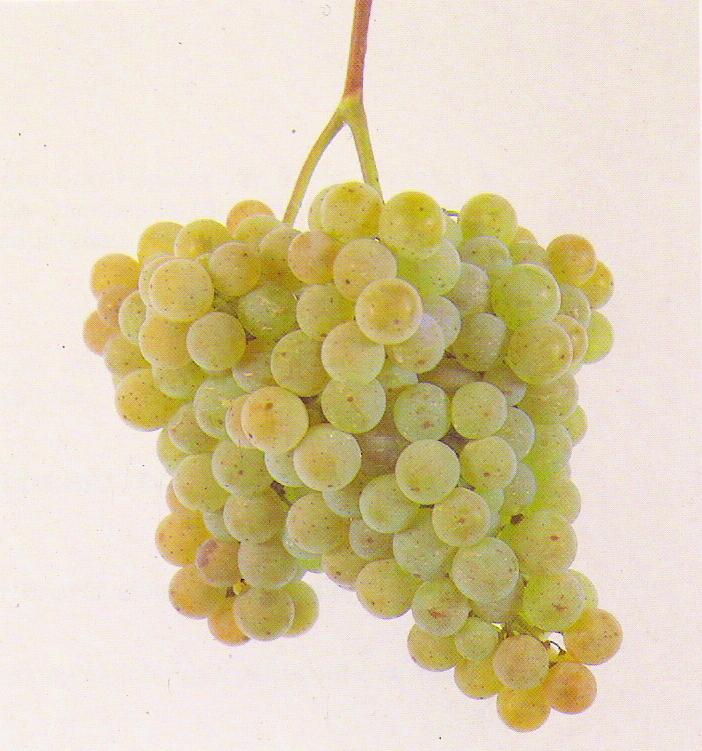
🍇 Albariño ✓
Also known as: Alvarinho (Portugal)About Albariño
Albariño is Spain's finest white grape, producing aromatic, refreshing wines in the maritime climate of Galicia's Rías Baixas region. Its thick skin helps it resist the humid conditions and contributes to wines with subtle texture and complexity.
The grape produces wines with stone fruit and citrus aromas, often with a distinctive saline, mineral quality that comes from vineyards near the Atlantic Ocean. A slight spritz is common in young wines, adding to their refreshing character.
Across the border in Portugal's Vinho Verde region, the grape is known as Alvarinho and produces similar wines, often blended with other local varieties. Albariño has found success in California, Uruguay, and other regions seeking to produce high-quality aromatic whites.
Wine Colour & Appearance
Typical colour: Pale lemon to light gold
Very pale, often with greenish tints from cool Atlantic climate. Should be bright and fresh-looking.
Colour Variations by Region
Wine Characteristics
Some wines may fall slightly outside this range, but most Albariño wines are within 11.5%-13.5% ABV.
Aroma & Flavour Profile Le Nez du Vin Reference →
Aromas (Nose) [Le Nez aroma]
- Peach peach#20
- Apricot apricot#19
- Citrus
- White flowers
- Saline/mineral
- Bitter almond
Flavours (Palate)
- Stone fruits
- Citrus zest
- High acidity
- Slight texture
- Saline finish
The Nose
Albariño wines offer a vibrant aromatic profile, immediately showcasing primary notes of bright citrus – think lime and grapefruit – alongside ripe stone fruits like nectarine and white peach. As the wine develops, subtle secondary aromas of honeysuckle and a distinct, intriguing saline minerality emerge, reminiscent of the coastal breezes where it thrives. With age, delicate tertiary notes of beeswax can add further complexity to this beautifully fresh and aromatic wine.
The Palate
Albariño wines are known for their dry, full-bodied profile and vibrant, mouth-watering acidity that creates a weighty feel on the palate. Primary flavors lean towards citrus—lime and grapefruit are common—often accompanied by notes of stone fruit and a distinctive saline minerality. A subtle, pleasant bitterness can linger on the finish, contributing to the wine’s overall freshness and complexity.
Similar Grapes & Lateral Confusion
These grapes are commonly confused with Albariño in blind tasting. Use the buttons to switch between the default teaching order and alphabetical order.
Sauvignon Blanc
Why confused: Both are high-acid aromatic whites that can look similarly pale and youthful.
Riesling
Why confused: Both aromatic with citrus notes.
Albariño: Albariño is always dry with saline finish. Riesling has lime/petrol and can be sweet.
Grüner Veltliner
Why confused: Both crisp, aromatic whites.
Blind Tasting Tips
Colour: Pale lemon with green hues.
Key markers: Stone fruit (peach, apricot) with citrus. Distinctive saline/salty mineral note. Often a slight spritz or prickle. Bitter almond on finish.
Structure: Medium body with high acidity. Refreshing and crisp. Slight textural grip.
Common confusions: Sauvignon Blanc (more green/herbaceous), Vermentino (similar coastal character), Pinot Grigio (less aromatic).
Viticulture
Grape Morphology
Winemaking Notes
Blending Partners
Adds aromatic complexity and floral notes, contributing to the overall freshness and fragrance of the blend.
Common in: Vinho Verde, Rías Baixas
Provides body and structure, softening Albariño's high acidity.
Common in: Vinho Verde, Rías Baixas
Enhances aromatic intensity and floral character, complementing Albariño's citrus and saline notes.
Common in: Argentina, California
Adds herbaceousness and vibrant acidity, creating a more complex and aromatic wine.
Common in: California, Other New World Regions
Notable Regions
Legal Classifications
Appellations and wine regions where Albariño is permitted or required:
The primary and most famous region for Albariño production.
Part of Catalonia, used in both Cava and still wines.
Also in Catalonia, known for powerful red wines, but Albariño is allowed.
Albariño is grown in Italy, though not a traditional variety.
Vintage History
Notable vintages for Albariño:
Food Pairings
Parentage & Genetics
Parents: Savagnin × Dureza
Clones
Considered the standard clone in Rías Baixas, known for high acidity, floral aromas, and good balance. Often used as a benchmark for quality.
Selected for its vigorous growth and high yields, while maintaining good aromatic intensity. Often exhibits more citrus fruit character.
Virus-free selection, chosen for its health and potential for consistent performance. Good vigor and fruit set.
Another virus-free selection, known for producing wines with pronounced salinity and minerality.
Bibliography
Books and articles about Albariño:
Comprehensive book on Albariño, covering history, viticulture, winemaking, and the Rías Baixas region. Published by the regulatory council.
Standard reference work; includes a section on Albariño and Rías Baixas.
Detailed varietal profile of Albariño, including synonyms, history, and viticultural characteristics.
Focuses on Galician wines, with a significant section dedicated to Albariño. Good coverage of terroir and producers.
A focused guide to the Rías Baixas region and its Albariño wines. Includes producer profiles and tasting notes.
An in-depth report on Albariño from Robert Parker's Wine Advocate. Available online (often behind a paywall).
Ampelographic study of the Albariño variety. (Portuguese language)
Genetic diversity study of Albariño. (Spanish language, academic journal).
Visually-oriented guide to wine, including a brief overview of Albariño.
Regular tasting reports on Rías Baixas Albariño wines. Access via Decanter website.