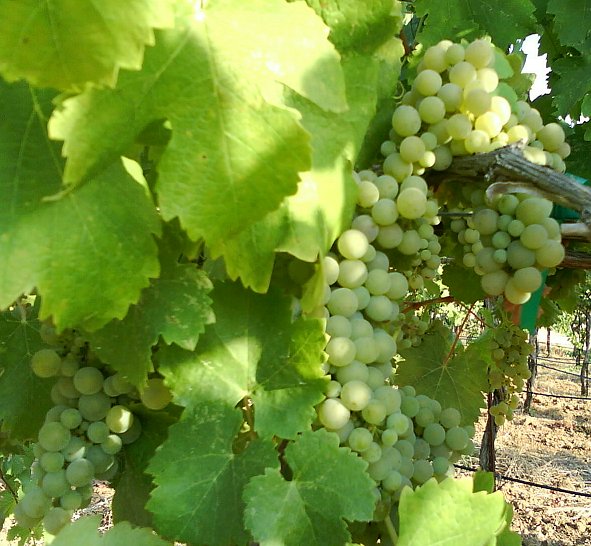
🍇 Viognier
About Viognier
Viognier is an aromatic white grape that produces voluptuous, perfumed wines with notes of apricot, peach, and orange blossom. Once nearly extinct in the 1960s (only about 30 hectares remained in Condrieu), it has experienced a remarkable revival and is now planted worldwide.
The grape is notoriously difficult to grow – it needs heat to ripen but loses its aromatics if it gets too hot, and its yields are naturally low. When well-made, Viognier produces wines of exceptional aromatic complexity and lush, oily texture.
In its Northern Rhône home of Condrieu and Château-Grillet, Viognier makes some of the world's most expensive white wines. Interestingly, up to 20% Viognier can legally be co-fermented with Syrah in Côte-Rôtie to add perfume and stabilize colour.
Wine Colour & Appearance
Typical colour: Deep gold to light amber
Naturally produces golden-coloured juice. Oxidises quickly if poorly made - look for brightness.
Colour Variations by Region
Wine Characteristics
Aroma & Flavour Profile Le Nez du Vin Reference →
Aromas (Nose) [Le Nez aroma]
- Apricot apricot#19
- Peach peach#20
- Orange blossom
- Honeysuckle
- Musk musk#46
- Ginger
- Vanilla vanilla#40
Flavours (Palate)
- Stone fruits
- Floral notes
- Rich, oily texture
- Low acidity
- Full body
- Slightly bitter finish
Similar Grapes & Lateral Confusion
These grapes are commonly confused with Viognier in blind tasting. Use the buttons to switch between the default teaching order and alphabetical order.
Chardonnay
Why confused: Both can be full-bodied, rounded whites and both can see oak.
Pinot Grigio
Why confused: Richer Pinot Gris can overlap with Viognier on body and ripe stone-fruit breadth.
Gewürztraminer
Why confused: Both aromatic, full-bodied, low-acid whites.
Viognier: Viognier has APRICOT/PEACH (stone fruit). Gewürz has lychee. Viognier is less intensely perfumed.
Chenin Blanc
Why confused: Both can be honeyed and rich.
Sémillon
Why confused: Both rich, golden, full-bodied.
Torrontés
Why confused: Both aromatic with floral notes.
Blind Tasting Tips
Colour: Medium to deep gold.
Key markers: Apricot and peach are signature aromas. Orange blossom and honeysuckle florals. Very perfumed but in a stone fruit way (vs lychee for Gewürz).
Structure: Full body with LOW acidity. Can feel oily and weighty. High alcohol typical. May have a slightly bitter finish.
Common confusions: Gewürztraminer (lychee vs apricot), oaked Chardonnay (less aromatic), Roussanne.
Notable Regions
Food Pairings
Wines Featuring Viognier
Wines from our tasting directory that feature this grape: