← Back
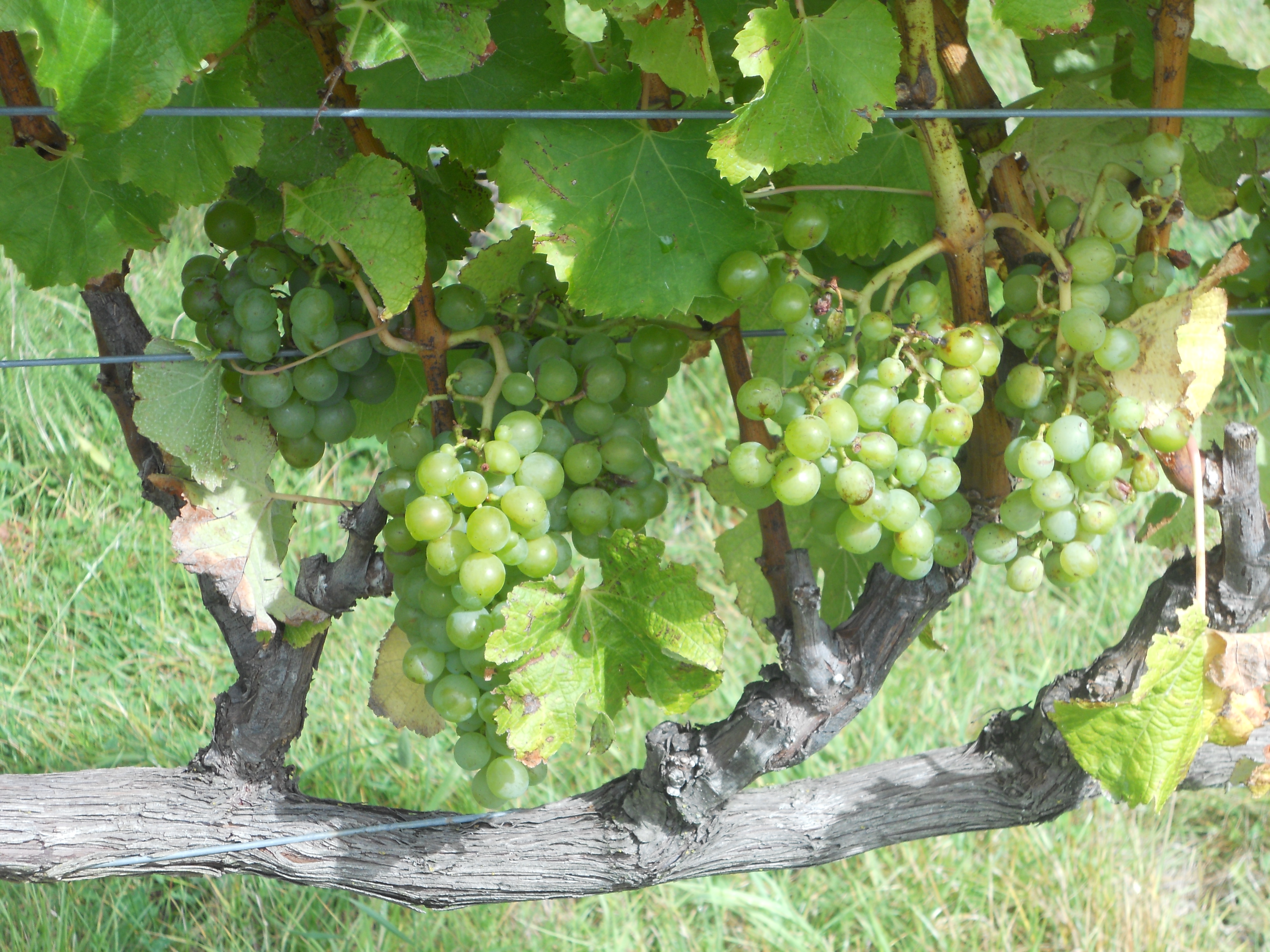
Sémillon grape bunch

🍇 Sémillon

Pronunciation: seh-MEE-yohn /se.mi.jɔ̃/
White Origin: Bordeaux, France

About Sémillon

Sémillon is a golden-skinned grape that produces rich, waxy wines with low acidity. While rarely vinified alone outside Australia, it's an essential component in Bordeaux's white wines and the primary grape in Sauternes, the world's most famous sweet wine.

The grape's thin skin makes it highly susceptible to botrytis (noble rot), which concentrates sugars and adds complex honey and marmalade flavors. In Sauternes and Barsac, botrytized Sémillon creates some of the world's most luscious and long-lived dessert wines.

Australia's Hunter Valley produces unique, age-worthy dry Sémillon – picked early, unoaked, and apparently simple when young, these wines transform with age into complex, toasty masterpieces. It's one of the wine world's hidden gems.

Wine Colour & Appearance

Typical colour: Pale lemon to deep gold

Thin-skinned and susceptible to botrytis. Sweet versions develop extraordinary amber colours with age.

Colour Variations by Region

Hunter Valley (unoaked): Very pale lemon-straw
Bordeaux Blanc (dry): Pale to medium gold
Sauternes (aged): Deep amber to mahogany
Intensity Pale to very deep (style dependent)
Clarity Brilliant
Viscosity Low (dry) to very high (botrytized sweet wines)

Wine Characteristics

Body
Full
Acidity
Low
Sweetness
Variable

Aroma & Flavour Profile Le Nez du Vin Reference →

Aromas (Nose) [Le Nez aroma]

  • Lemon [M01 lemon]
  • Lanolin
  • Beeswax
  • Fig
  • Honey [M27 honey]
  • Toast (aged) [M48 toast]
  • Marmalade (botrytis)

Flavours (Palate)

  • Waxy texture
  • Rich and full
  • Low acidity
  • Honeyed notes
  • Can be dry or sweet

Notable Regions

🗺️ Coming soon
Sauternes/Barsac, Bordeaux
🗺️ Coming soon
Graves/Pessac-Léognan (dry)
🗺️ Coming soon
Hunter Valley, Australia
🗺️ Coming soon
Margaret River, Australia
🗺️ Coming soon
Barossa Valley

Region Map

Similar Grapes & Lateral Confusion

These grapes are commonly confused with Sémillon in blind tasting. Here's how to tell them apart:

Chardonnay

Why confused: Both can be oaked and full-bodied. Both can be golden, oaked, full-bodied.

How to distinguish: Chardonnay: Sémillon has distinctive waxy, lanolin texture. Chardonnay is creamier (MLF) with higher acidity.
Sémillon: Sémillon has distinctive WAXY/LANOLIN texture. Chardonnay is creamier with higher acidity.
Compare side by side →

Viognier

Why confused: Both rich, golden, full-bodied.

How to distinguish: Sémillon: Viognier is aromatic (apricot/blossom). Sémillon is less aromatic with waxy texture and lemon/fig notes.
Compare side by side →

Vidal

Why confused: Both can make sweet wines with apricot/honey character

How to distinguish: Vidal: Sémillon (Sauternes) has more botrytis complexity; Vidal icewine is cleaner, more direct fruit
Compare side by side →

Blind Tasting Tips

Colour: Deep gold, especially with age or botrytis.

Key markers: Waxy, lanolin texture is distinctive. Lemon and fig fruit. Low acidity. Toast and honey develop with age. Marmalade indicates botrytis.

Structure: Full body with LOW acidity. Rich and weighty. Can feel oily or waxy in texture.

Common confusions: Oaked Chardonnay (more buttery, higher acidity), Viognier (more aromatic), aged Hunter Semillon is unique.

Food Pairings

🌱 Plant-Based & Vegetarian
Fruit dessertsve Blue cheese
🍖 Classic Pairings
Foie gras (sweet) Roast chicken (dry) Lobster with butter
← Back to Grape Encyclopaedia
Page created: 27 January 2026 | Last updated: 5 February 2026

Grape Page Help

Navigating the Page

Each grape page is organised into sections that you can access quickly:

  • Table of Contents — Click any link at the top to jump directly to that section
  • ← Back button — Returns you to the Grape Encyclopaedia with your filters preserved
  • ↑ Back to top — Appears when you scroll down; click to return to the top
  • Breadcrumbs — Shows your location (Home → Grape Encyclopaedia → Grape Name)

Wine Colour

This section shows the typical appearance of wines made from this grape:

  • Colour swatches — Visual examples from young to aged expressions
  • Intensity — How deep or pale the colour typically appears
  • Clarity — Whether wines are typically clear, hazy, or have sediment
  • Viscosity — The "legs" or "tears" you see on the glass

Characteristics

Key structural elements that define the wine:

  • Acidity — How tart or fresh the wine tastes (low to high)
  • Body — The weight and texture in your mouth (light to full)
  • Alcohol — Typical alcohol range, sometimes with regional variations
  • Sweetness — Dry, off-dry, or sweet (where applicable)

Tannins (Red Wines)

For red wines, this section describes the tannin profile:

  • Level — Low, medium, or high tannin content
  • Texture — Velvety, silky, grippy, chalky, or sandy
  • Location — Where you feel them (front teeth, gums, cheeks, back of mouth)
  • Ageing potential — How tannins evolve over time

Aroma and Flavour Profile

Aromas (nose) and flavours (palate) are listed separately:

  • The Nose — What you smell before tasting
  • The Palate — What you taste and feel in your mouth
  • Le Nez numbers — References like [M15] correspond to Le Nez du Vin aroma kit bottles (M = Masterkit, O = Oak, F = Faults)
Tip: Le Nez Reference Click the "Le Nez du Vin Reference" link in the Aroma section header to see the full aroma reference chart.

Viticulture

Growing conditions this grape prefers:

  • Climate — Cool, moderate, or warm climate preferences
  • Soil — Preferred soil types (limestone, clay, gravel, etc.)
  • Vigour — How vigorously the vine grows
  • Challenges — Common growing difficulties (frost, rot, disease)

Notable Regions

Key wine regions where this grape excels:

  • Map thumbnails — Small preview maps for each region (where available)
  • Click to expand — Opens a larger interactive map
  • Wine region boundaries — Highlighted in wine-red where data is available
  • Zoom and pan — Explore the map interactively
  • Reset View — Returns to the original zoom level

Old World vs New World

Compares how the grape is expressed in different regions:

  • Old World — Traditional European expressions (France, Italy, Spain, etc.)
  • New World — Modern expressions (Australia, USA, Chile, etc.)
  • Differences in style, ripeness, oak use, and flavour profiles

Similar Grapes

Grapes that are often confused with this variety in blind tasting:

  • Why confused — What characteristics they share
  • How to distinguish — Key differences to look for

Blind Tasting Tips

Practical guidance for identifying this grape when tasting blind:

  • Key markers to look for
  • Common pitfalls and look-alikes
  • Diagnostic characteristics that set it apart

Food Pairings

Suggested foods that complement wines from this grape:

  • Vegan/Vegetarian — Plant-based options listed first, marked (ve) for vegan
  • Classic pairings — Traditional meat and seafood matches